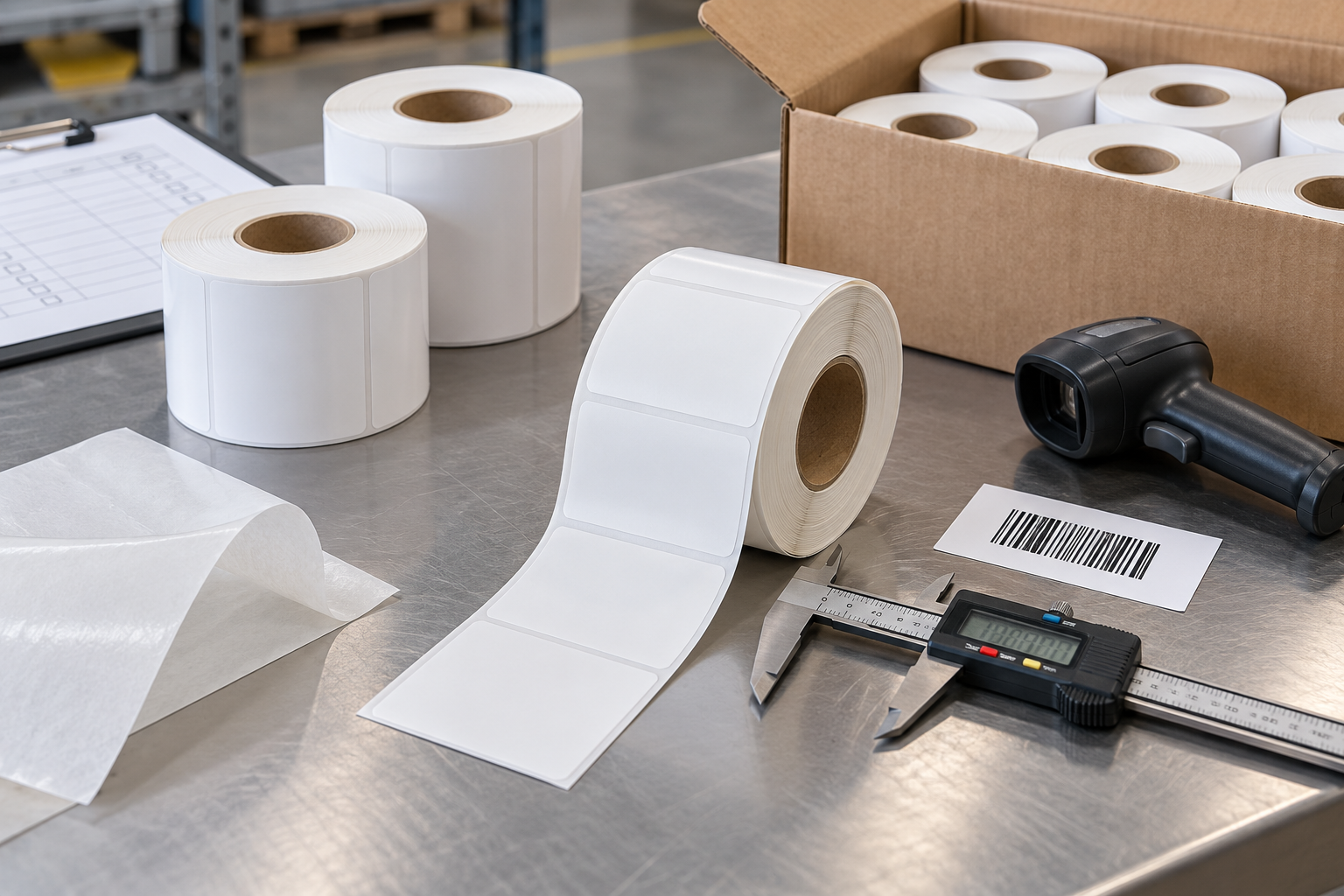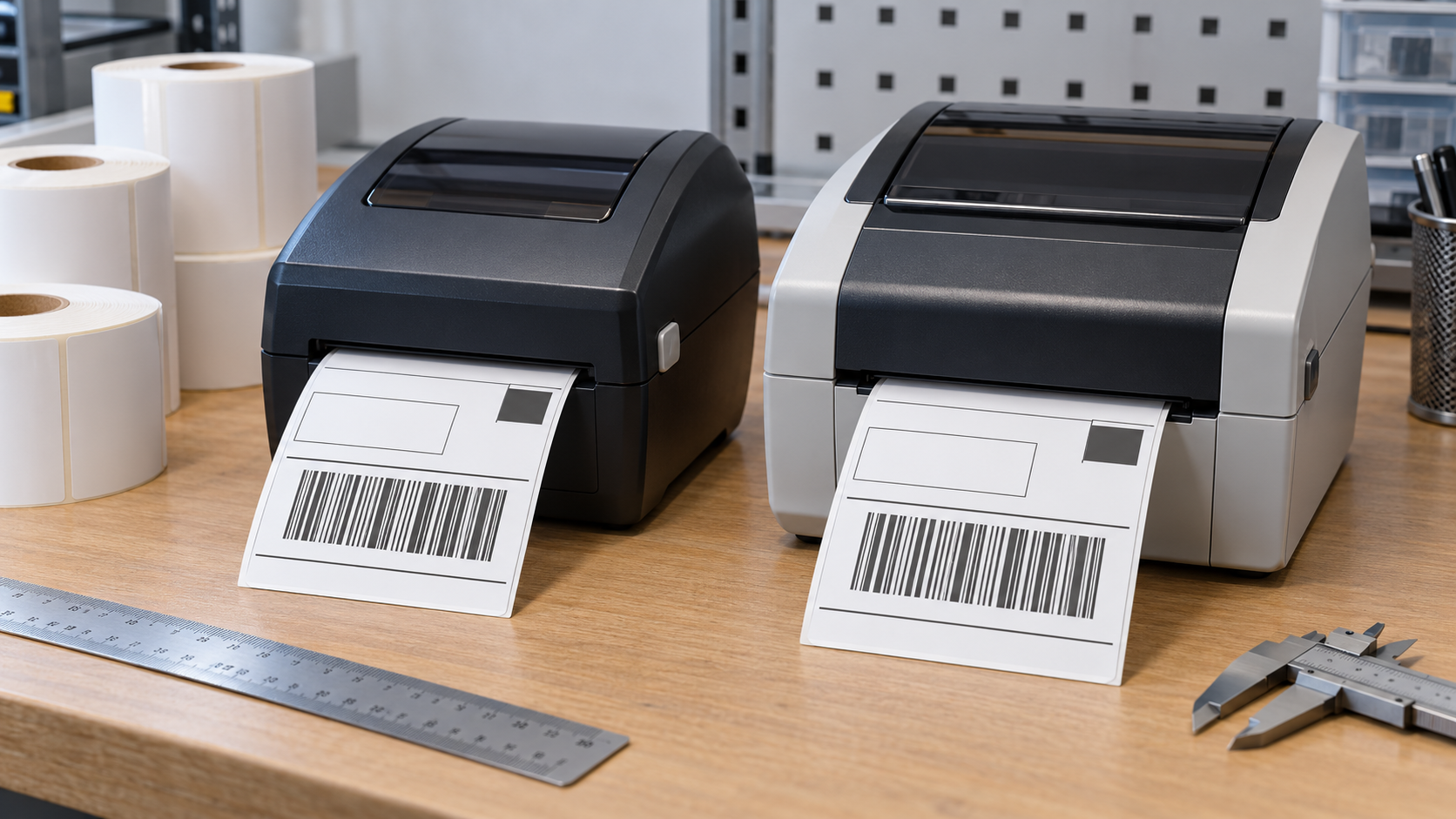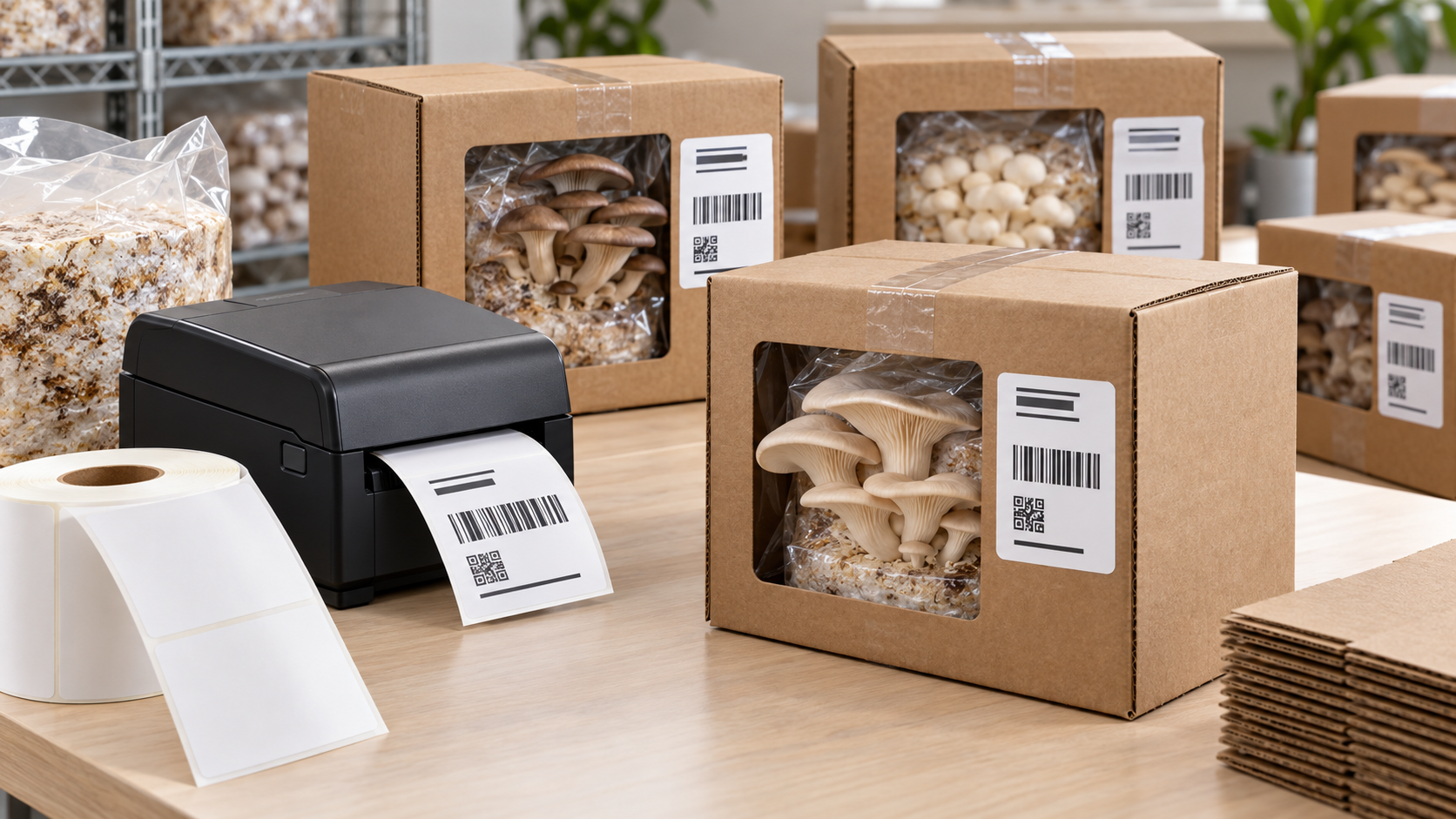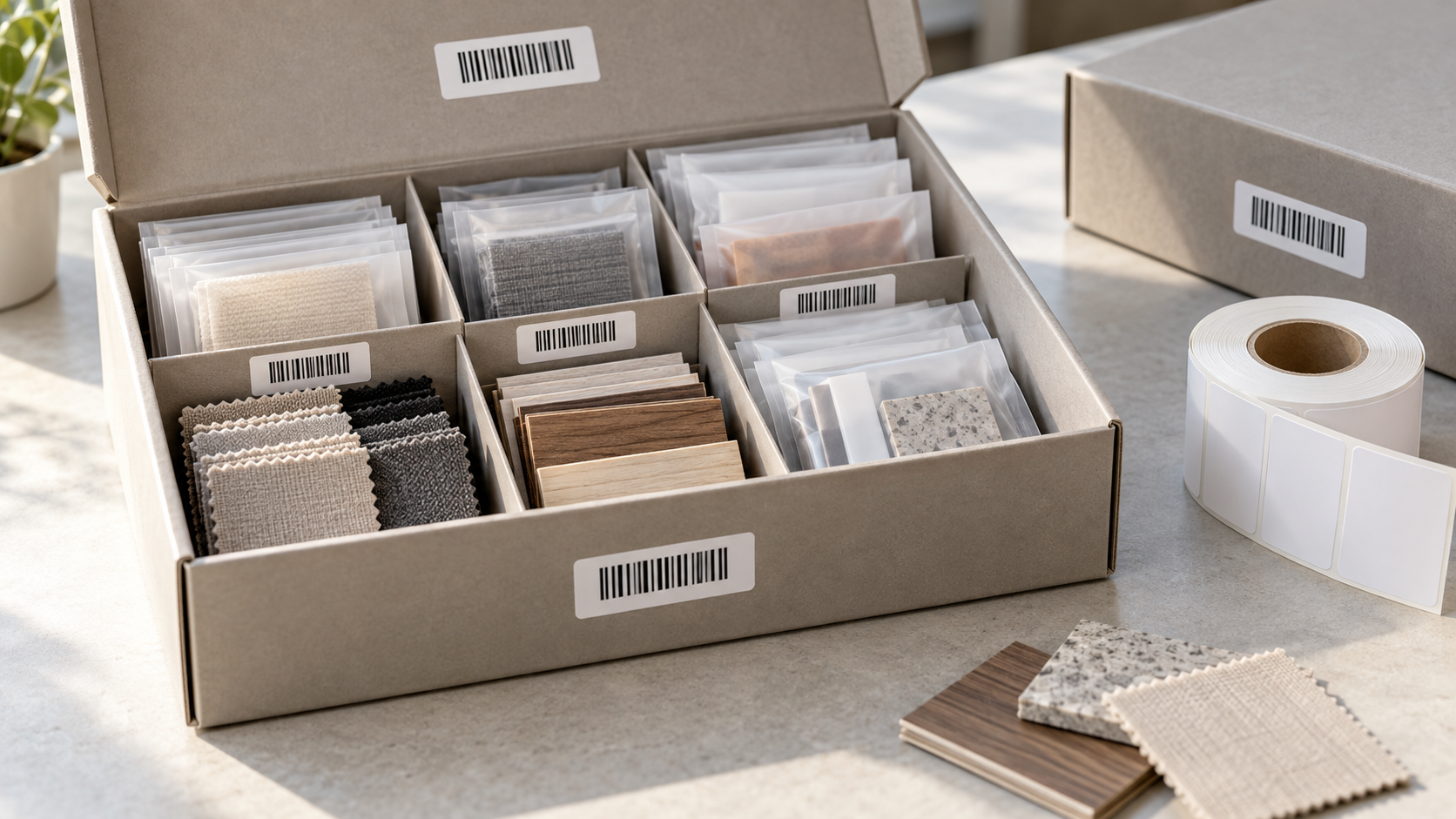
Thermal labels are essential for modern businesses involved in shipping, warehousing, retail, logistics, and inventory management. Whether you operate an eCommerce store, a fulfillment center, or a distribution warehouse, labels directly affect operational efficiency, shipping accuracy, and customer satisfaction.
As shipping volumes continue to grow, more businesses are turning to bulk thermal label purchasing to reduce costs and stabilize their supply chains. Buying labels in larger quantities is not simply about getting lower prices. It also helps businesses avoid inventory shortages, improve workflow efficiency, and maintain consistent printing performance across operations.
This bulk buying thermal labels guide explains how companies can make smarter purchasing decisions, reduce long-term operational costs, and choose the right thermal label supplier for scalable business growth.
What Are Thermal Labels?
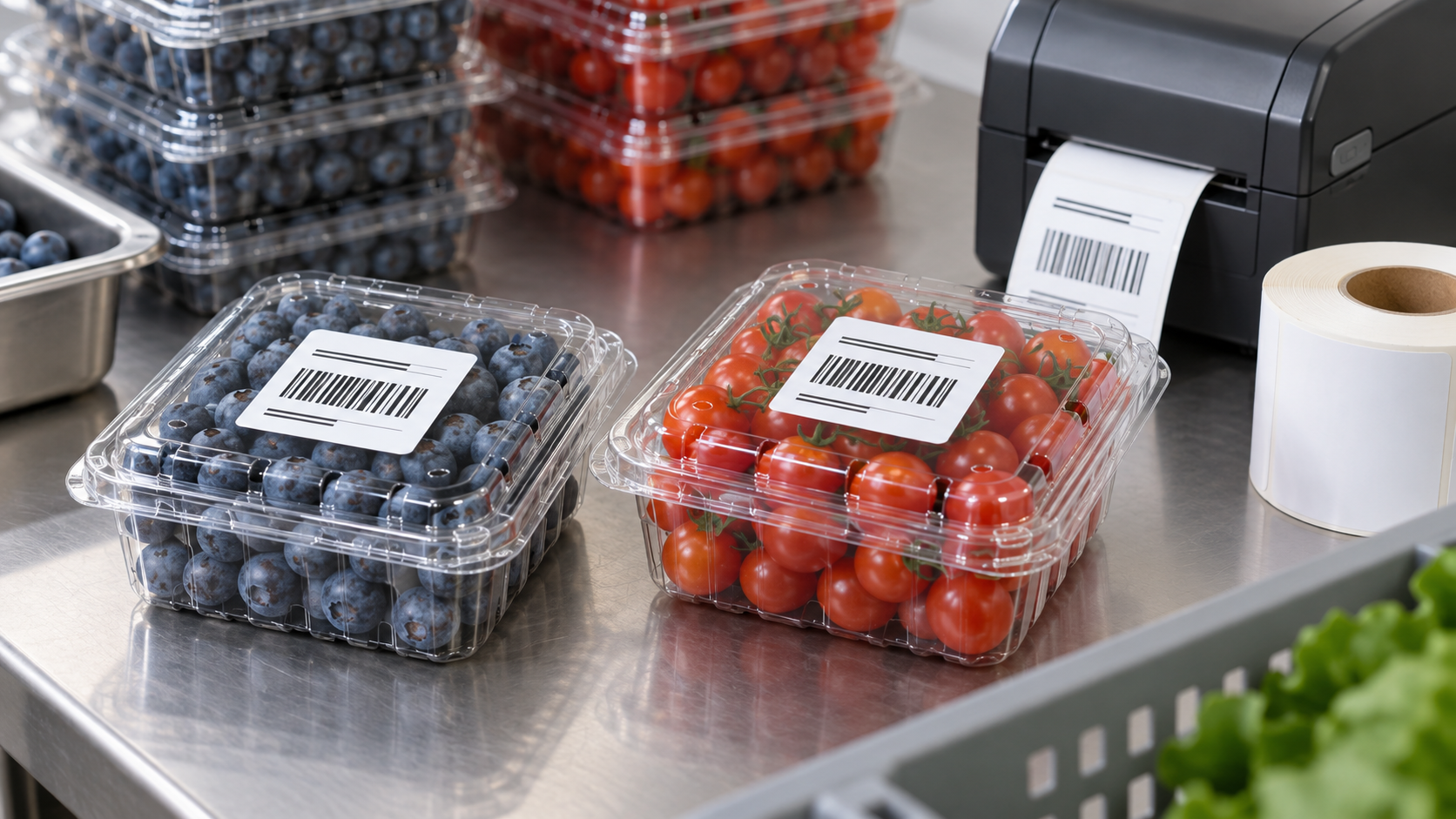
Thermal labels are labels printed using heat-sensitive technology rather than traditional ink or toner. They are commonly used in shipping labels, barcode labels, warehouse labels, inventory tags, retail price labels, and logistics tracking systems.
There are two major types of thermal labels:
Direct Thermal Labels
Direct thermal labels use heat-sensitive paper that darkens when exposed to a thermal printhead. These labels require no ink, ribbon, or toner, making them cost-effective and simple to use.
Common applications include:
- Shipping labels
- Barcode labels
- Warehouse labels
- Retail labels
- eCommerce packaging
Thermal Transfer Labels
Thermal transfer labels use a ribbon to transfer ink onto the label surface. These labels are more durable and resistant to heat, moisture, chemicals, and fading.
They are commonly used in:
- Industrial environments
- Outdoor labeling
- Long-term asset tracking
- Chemical labeling
For most eCommerce and warehouse businesses, direct thermal labels are the preferred option because they offer lower operating costs and faster printing speeds.
Why More Businesses Buy Thermal Labels in Bulk
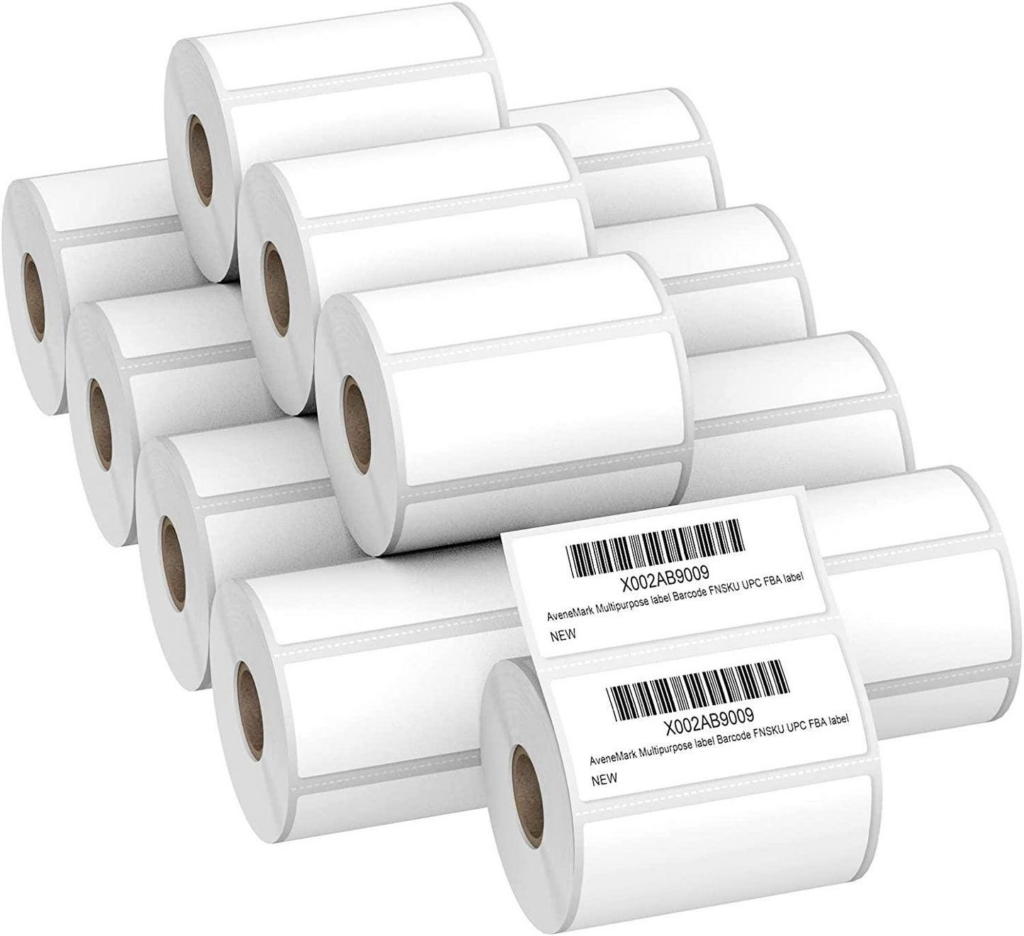
As businesses scale their operations, purchasing small quantities of labels becomes inefficient and expensive. Bulk purchasing offers several long-term advantages that directly impact operational performance.
Lower Per-Label Cost
One of the biggest advantages of buying thermal labels in bulk is the lower cost per roll. Manufacturers and suppliers typically offer significant discounts for wholesale orders because production and shipping become more efficient at larger volumes.
For businesses printing thousands of labels every week, even a small reduction in per-label cost can generate substantial annual savings.
Factory-direct suppliers like Betckey can often provide:
- Wholesale pricing
- Volume discounts
- Stable long-term pricing
- OEM packaging support
- Reduced procurement costs
This is especially important for Amazon sellers, logistics companies, fulfillment centers, and growing eCommerce businesses.
Reduce Shipping Delays and Downtime
Running out of labels can quickly disrupt warehouse operations and shipping schedules. Many businesses underestimate how costly operational downtime can become.
Bulk inventory helps businesses:
- Avoid emergency reorders
- Prevent shipping interruptions
- Maintain workflow consistency
- Reduce urgent shipping fees
- Improve order fulfillment speed
A stable inventory of thermal labels ensures warehouses and fulfillment teams can continue operating smoothly during peak seasons.
Improve Supply Chain Stability
Global supply chains can experience delays due to raw material shortages, transportation issues, or seasonal demand spikes.
Businesses that rely on small, frequent orders may face:
- Inventory shortages
- Rising shipping costs
- Delayed restocking
- Unstable pricing
Bulk purchasing reduces dependence on frequent reordering and helps companies maintain consistent operations even during market fluctuations.
Reliable suppliers with manufacturing capacity are especially valuable for B2B buyers who require uninterrupted inventory support.
How to Choose the Right Thermal Labels for Bulk Orders
Not all thermal labels offer the same performance. Choosing the wrong labels can lead to barcode scanning failures, printer issues, adhesive problems, and wasted operational costs.
Before placing a bulk order, businesses should evaluate several key factors.
Choose the Correct Label Size
Different industries and workflows require different label sizes.
Common Thermal Label Sizes
4″ x 6″ Shipping Labels
Widely used for:
- UPS
- FedEx
- USPS
- Amazon FBA
- eCommerce shipping
This is the most popular shipping label size worldwide.
2″ x 1″ Barcode Labels
Commonly used for:
- Inventory tracking
- Warehouse shelves
- Retail products
- SKU labeling
Address Labels
Used for:
- Mailing
- Office organization
- Product packaging
- Return addresses
Colored Thermal Labels
Helpful for:
- Warehouse organization
- Priority sorting
- Inventory categorization
- Operational efficiency
Choosing the proper label size improves scanning accuracy and operational workflow.
Evaluate Adhesive Quality
Adhesive performance is one of the most important factors in thermal label quality.
Low-quality labels may:
- Peel off during shipping
- Curl during storage
- Fail in cold environments
- Leave residue behind
Reliable thermal labels should provide:
- Strong adhesion
- Clean application
- Stable performance
- Resistance to temperature changes
Businesses involved in logistics and warehouse operations should pay special attention to adhesive durability because labels often experience rough handling and long transportation distances.
Premium thermal labels from reliable suppliers help reduce:
- Lost packages
- Barcode scanning failures
- Customer complaints
- Return shipping costs
Ensure Printer Compatibility
Before purchasing thermal labels in bulk, businesses should confirm compatibility with their printers.
Common compatible printer brands include:
- Zebra
- Rollo
- Brother
- Dymo
- MUNBYN
- Eltron
- Intermec
Compatible labels should feed smoothly without causing:
- Paper jams
- Misalignment
- Print fading
- Sensor recognition issues
Reliable suppliers often test compatibility extensively to ensure stable printing performance across major printer brands.
Why Factory-Direct Thermal Label Suppliers Matter
Many businesses purchase labels through multiple distributors without realizing how much additional cost is added throughout the supply chain.
Working directly with a manufacturer provides several important advantages.
Better Wholesale Pricing
Factory-direct suppliers eliminate unnecessary middleman costs.
This allows businesses to access:
- More competitive pricing
- Better volume discounts
- Long-term purchasing agreements
- Stable cost structures
For businesses purchasing labels regularly, factory pricing can significantly improve profit margins.
Stable Bulk Supply Capacity
Large-scale suppliers with manufacturing facilities can support:
- High-volume production
- Consistent inventory
- Faster replenishment
- Seasonal demand increases
This is critical for warehouses and growing eCommerce companies that require stable operational support year-round.
OEM and Private Label Services
Many B2B buyers need custom packaging or branded label solutions.
Factory-direct suppliers often provide:
- OEM packaging
- Custom core sizes
- Private label branding
- Custom roll quantities
- Special adhesive solutions
These services help distributors and wholesalers build stronger brand identities in competitive markets.
Faster Production and Shipping
Manufacturers with established production systems can often deliver:
- Faster lead times
- Stable production schedules
- Better inventory forecasting
- Improved logistics coordination
This helps businesses maintain stable inventory without overstocking unnecessarily.
How Bulk Thermal Labels Improve Warehouse Efficiency
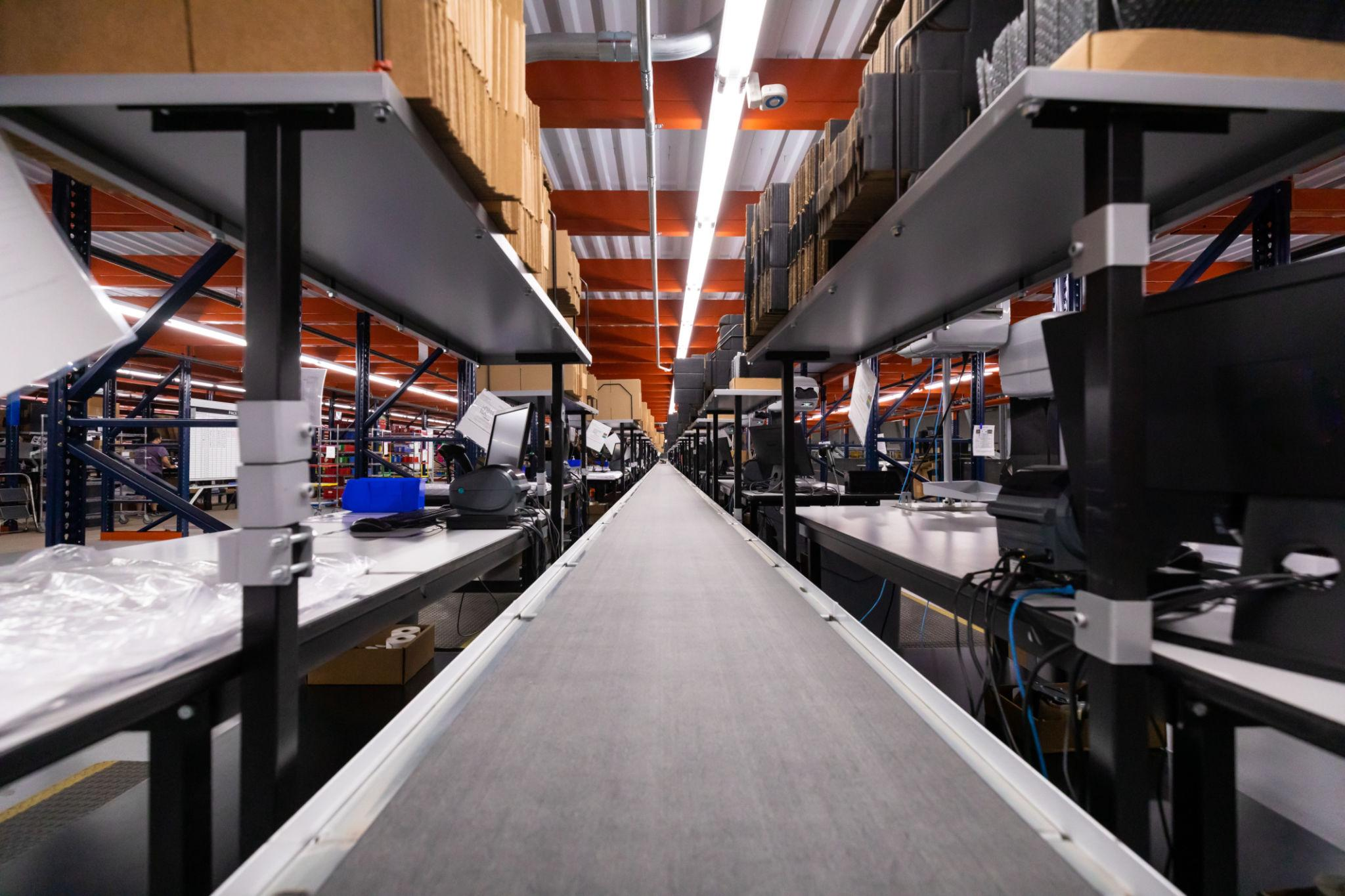
Warehouse operations depend heavily on speed, organization, and scanning accuracy.
High-quality thermal labels help warehouses:
- Improve barcode readability
- Speed up package processing
- Reduce scanning errors
- Improve inventory tracking
- Enhance operational organization
Poor-quality labels can create costly workflow problems, especially during high-volume shipping periods.
Reliable labels help maintain:
- Clear print quality
- Strong adhesive performance
- Stable scanning accuracy
- Smooth printer operation
For high-volume warehouses, even small operational improvements can significantly reduce labor costs over time.
Common Mistakes Businesses Make When Buying Thermal Labels
Many businesses focus only on price when purchasing labels in bulk. However, extremely cheap labels often create hidden operational costs.
Common purchasing mistakes include:
Choosing Low-Quality Adhesives
Weak adhesives can lead to shipping failures and customer complaints.
Ignoring Printer Compatibility
Incompatible labels may damage printers or create alignment problems.
Buying from Unstable Suppliers
Suppliers without manufacturing capacity may struggle during high-demand seasons.
Overlooking Storage Conditions
Thermal labels should be stored in cool, dry environments to maintain print quality and adhesive performance.
Failing to Forecast Demand
Poor inventory planning can create emergency purchases and operational disruptions.
Why Businesses Choose Betckey Thermal Labels
Many businesses choose Betckey because of its combination of factory-direct pricing, stable quality, and reliable supply capabilities.
Betckey thermal labels are widely used for:
- Shipping
- Warehousing
- Retail
- Logistics
- Barcode labeling
- eCommerce fulfillment
Key advantages include:
- Crisp and scannable printing
- Strong adhesive performance
- Wide printer compatibility
- Stable bulk supply
- OEM and wholesale support
- Factory-direct pricing
For businesses seeking long-term thermal label supply partners, working with an experienced manufacturer helps improve operational stability while reducing purchasing costs.
Conclusion
Bulk purchasing thermal labels is one of the most effective ways for businesses to reduce operational costs and improve shipping efficiency. As shipping volumes continue to grow, stable inventory and reliable label performance become increasingly important for maintaining smooth business operations.
Choosing the right thermal labels involves more than simply finding the lowest price. Businesses should evaluate adhesive quality, printer compatibility, manufacturing capacity, and supplier reliability before making purchasing decisions.
Factory-direct suppliers like Betckey help businesses reduce long-term procurement costs while providing stable supply, consistent quality, and scalable OEM support.
For warehouses, logistics companies, retailers, and eCommerce sellers, investing in reliable bulk thermal labels can significantly improve operational efficiency and support long-term business growth.
FAQ
What are the benefits of buying thermal labels in bulk?
Bulk buying reduces per-label costs, improves inventory stability, prevents shipping interruptions, and helps businesses maintain consistent warehouse operations.
Are compatible thermal labels safe for printers?
Yes. High-quality compatible thermal labels are designed to work smoothly with major printer brands such as Zebra, Brother, Dymo, and Rollo without damaging printers.
What is the most commonly used thermal label size?
The most common size is 4″ x 6″ because it is widely used for shipping labels by UPS, FedEx, USPS, Amazon FBA, and eCommerce businesses.