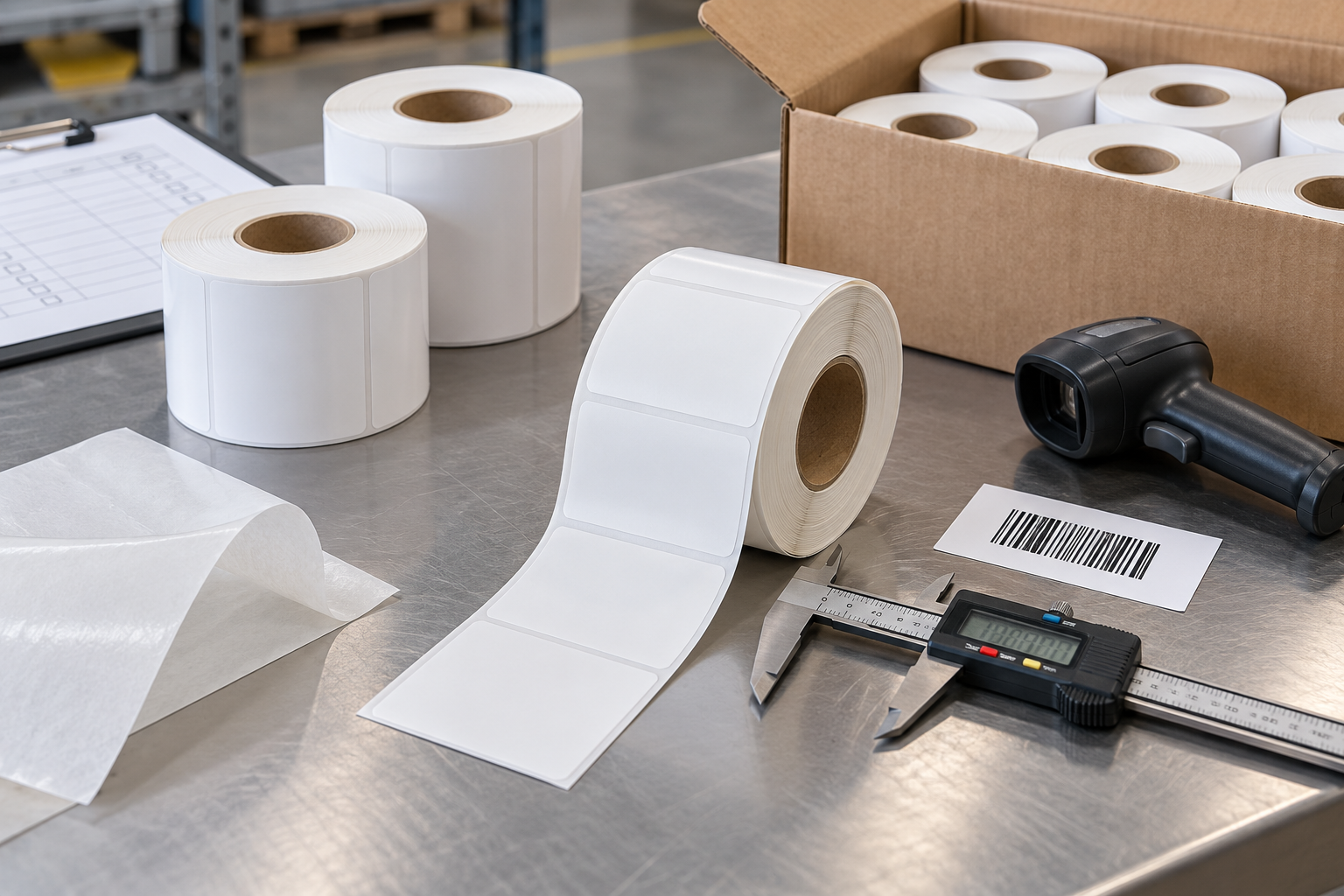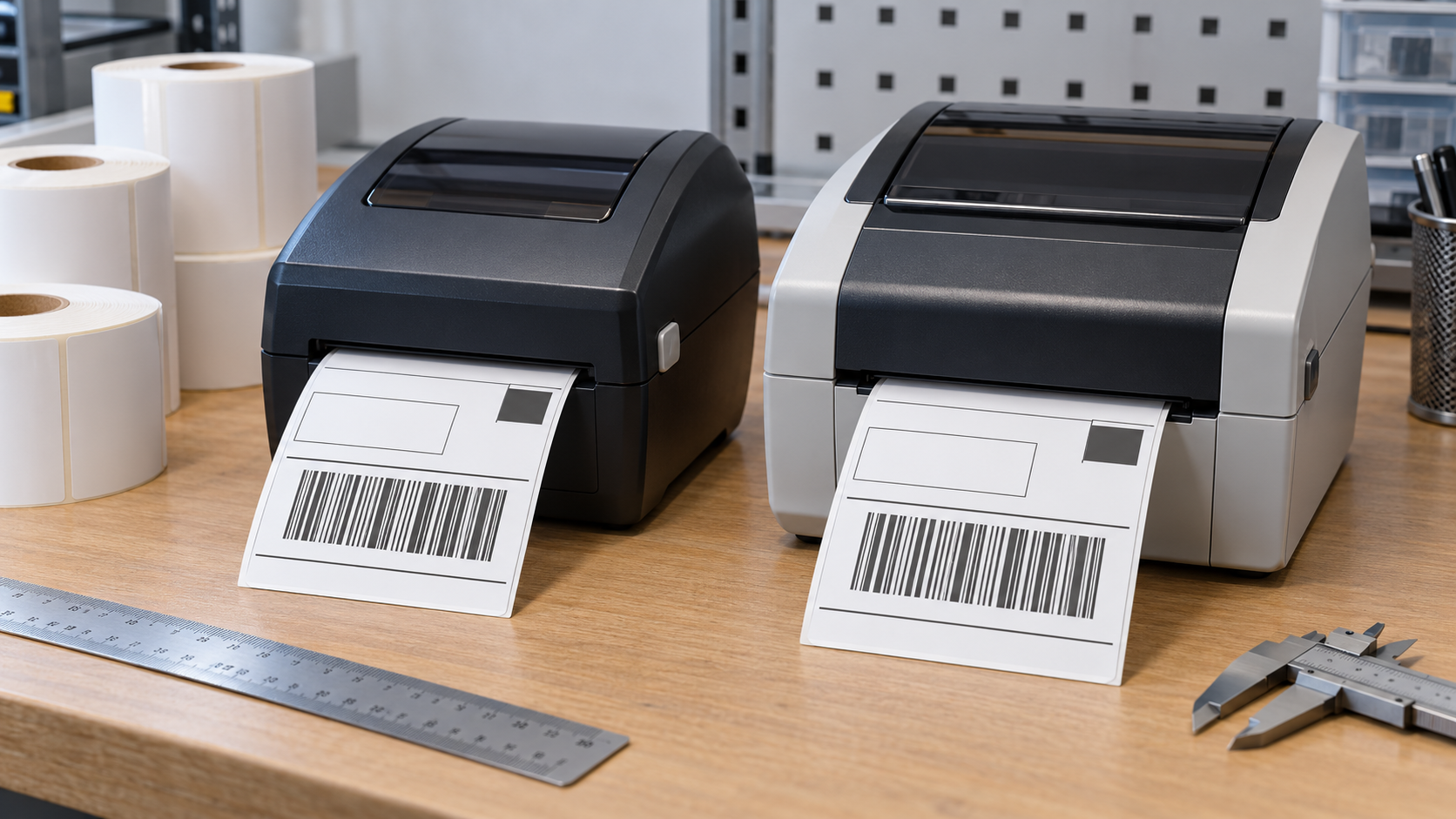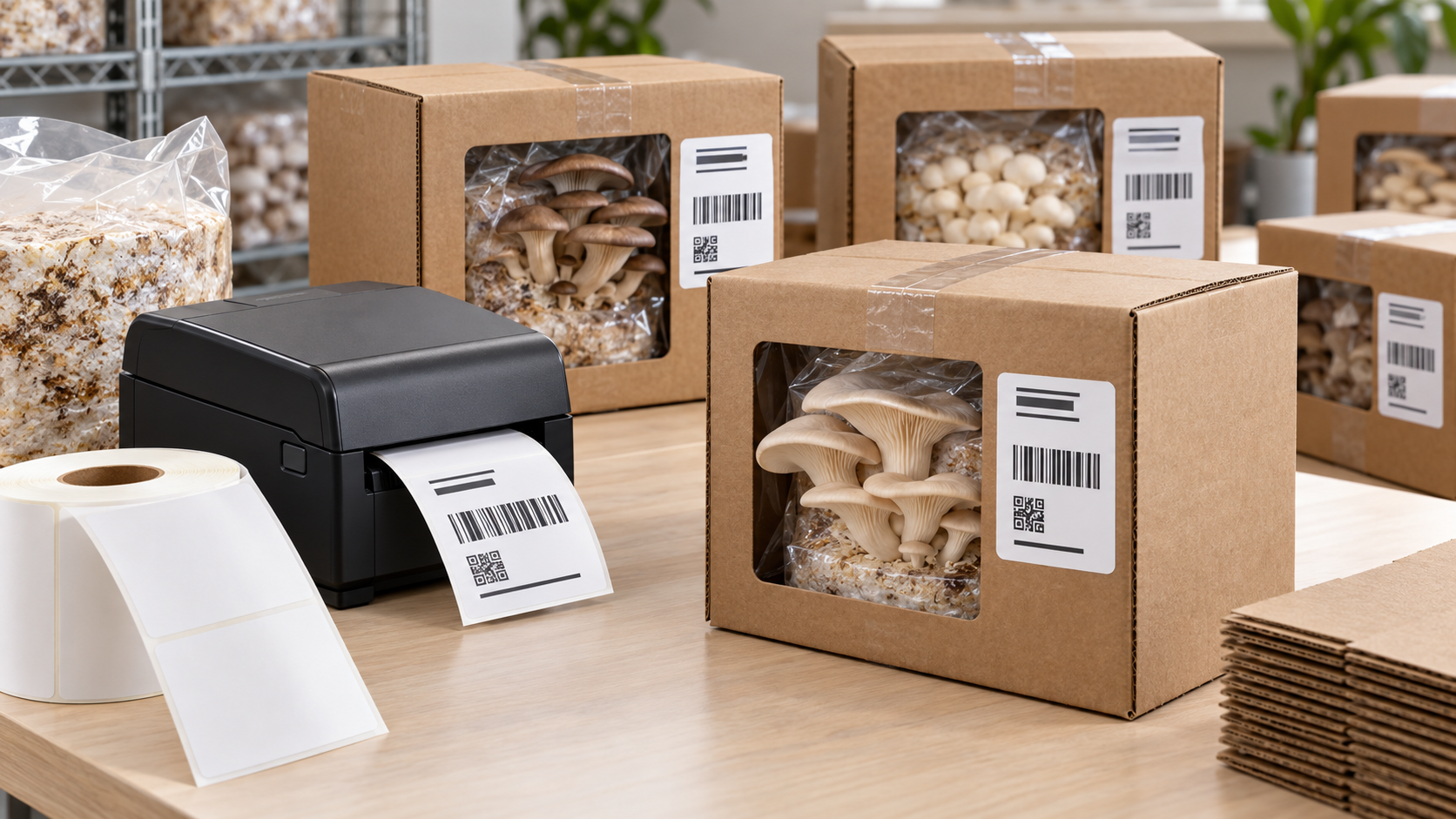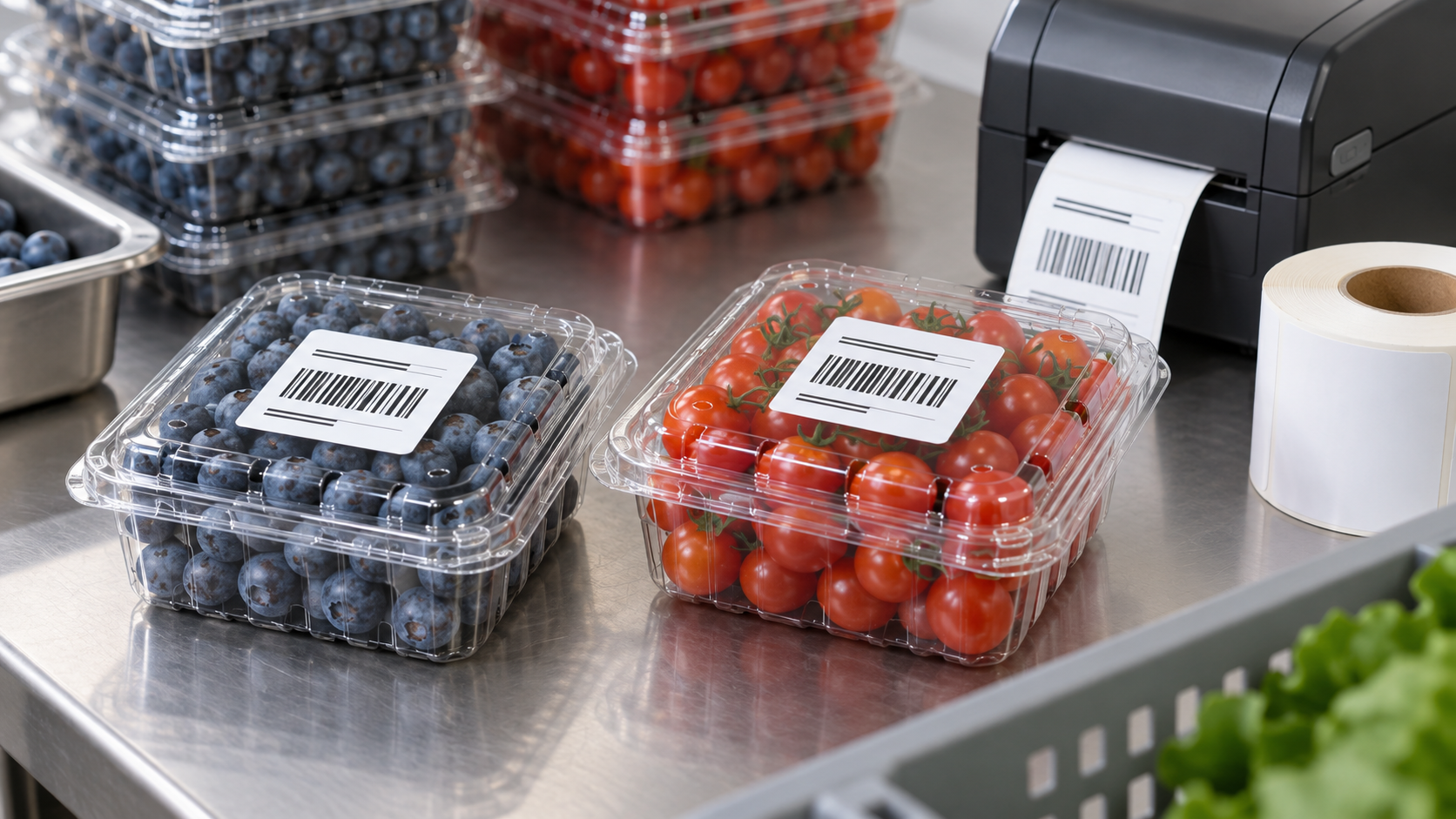
Choose thermal labels for oily or greasy surfaces by defining whether oil is present during application or appears later in service. Adhesive cannot build a reliable bond through a continuous liquid layer, so cleaning and process control are usually the first line of defense. When some residue cannot be removed, a specialty adhesive designed to wet out contaminated or low-surface-energy substrates may be required.
The printed face must also resist staining, softening, and loss of barcode contrast. A high-tack adhesive alone does not protect direct thermal paper from oil. Selection must consider the facestock, topcoat, adhesive, printing technology, ribbon, container material, temperature, exposure time, and whether the label is used for food, industrial identification, lubricants, or hazardous chemicals.
What Kind of Oil Exposure Is Present?
Separate incidental fingerprints, a light manufacturing film, repeated food grease, lubricant splash, and continuous chemical contact. Record the exact oil or product when possible because mineral oil, cooking fat, silicone fluid, cutting fluid, and mixed cleaners affect materials differently. Also note whether exposure occurs before application, after application, or from migration through packaging. Each route creates a different label challenge.
Why Does Oil Reduce Adhesion?
Pressure-sensitive adhesive needs intimate contact with the solid surface. Oil occupies that interface and can prevent wet-out, allowing the label to slide, lift, or detach. Some oils can migrate into the adhesive and change its cohesive strength over time. Firm pressure cannot reliably squeeze away a heavy film. If the process permits, remove contamination and confirm that the surface is dry before labeling.
Clean the Surface Without Creating New Residue
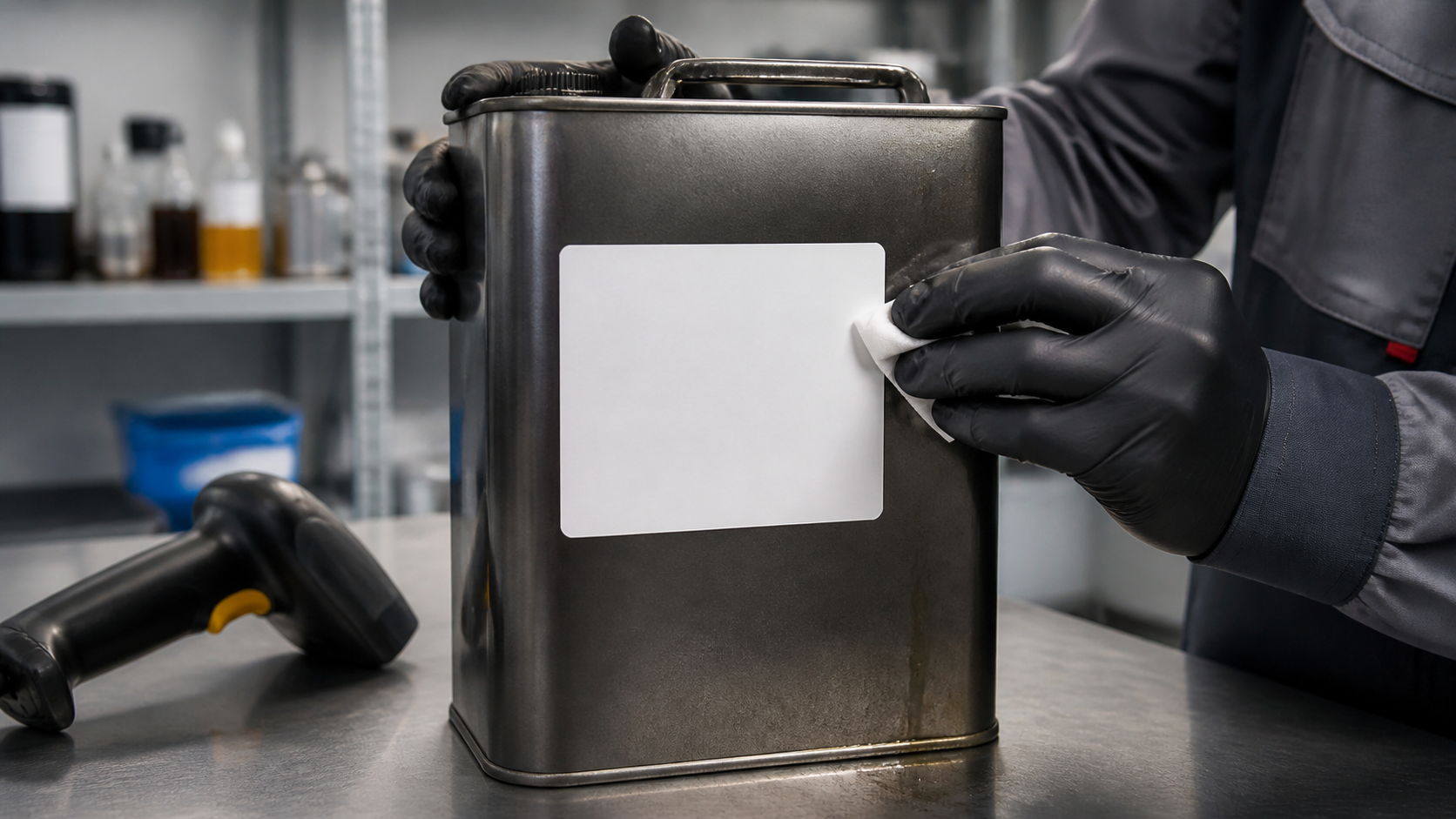
Use a cleaning procedure approved for the container, workplace, and product. A cleaner that leaves surfactant, fragrance, silicone, or moisture can replace one contaminant with another. Wipe with a lint-free material, allow complete evaporation, and avoid touching the cleaned zone. For production, validate a method employees or automated equipment can repeat; laboratory cleaning that cannot be reproduced on the line gives misleading results.
When Is a Specialty Adhesive Needed?
If a light, consistent residue is unavoidable, evaluate adhesives specifically rated for oily, rough, or low-surface-energy substrates. High initial tack and good wet-out can help, but the adhesive must also maintain shear strength at the expected temperature. An overly soft adhesive may ooze from roll edges or move under load. Request performance data for a comparable oil and surface, then confirm it with a sample trial.
Choose Paper or Synthetic Facestock
Unprotected paper can absorb oil, darken, become translucent, or weaken. Top-coated paper may handle limited incidental exposure, but synthetic films generally provide better resistance to grease, moisture, and tearing. Polyester is often evaluated for harsh industrial conditions, while polypropylene can provide a durable, economical option for many packages. The face must remain printable and flexible enough for the shape of the item.
Direct Thermal or Thermal Transfer?
Direct thermal printing is efficient because it needs no ribbon, but oils and chemicals can affect the heat-sensitive coating. Use it only when the specified topcoat survives the real exposure for the required label life. Thermal transfer synthetic labels printed with a compatible resin ribbon usually provide stronger image durability. Match the ribbon to the facestock instead of assuming any resin ribbon will produce the same result.
Run a Realistic Oil-Exposure Test
Create controls so the effect of cleaning, adhesive, and facestock can be distinguished.
- Print the final text and barcode with normal production settings.
- Apply samples to clean surfaces and to the normal worst-case oily surfaces.
- Use the same pressure and allow the planned adhesive dwell time.
- Expose samples to the actual oil, temperature, handling, and duration.
- Inspect adhesion, staining, edge lift, print transfer, and barcode scan performance.
Check Application and Service Temperature
Warm oil can spread faster and may accelerate migration into the label. Cold temperatures can reduce adhesive tack and make a contaminated surface even harder to label. Record the temperature when the label is applied separately from the temperatures it experiences later. A construction rated for a broad service range may still require application above a specific minimum temperature to form its initial bond.
How Do Curves and Texture Change the Choice?
Small cylinders, textured drums, powder-coated metal, and molded plastic reduce effective adhesive contact. Oil makes these surfaces harder still. Use a conformable facestock, rounded corners, and enough label overlap or bonding area for the geometry. Avoid placing the leading edge where liquid collects. On automatic lines, confirm that wipe rollers create complete contact without pushing the label out of position.
What About Food and Compliance Requirements?
Grease resistance does not automatically mean a construction is approved for direct food contact. Determine whether the label touches food, sits behind a functional barrier, or is used only on outer packaging. Request current compliance documentation for the exact facestock and adhesive in the intended market. If labels are used on chemical drums or hazardous goods, confirm the applicable durability and identification standards separately.
How Should Barcode Durability Be Judged?
Scan the label before exposure and at every planned inspection interval. Reject it if oil lowers background reflectance, spreads printed bars, removes ribbon, or causes wrinkles that distort the symbol. A phone scan is a useful screening check but may not represent warehouse, retail, or conveyor scanners. Critical applications should use the verification method and acceptance grade required by the customer or governing standard.
What Should You Tell the Supplier?
Send representative containers, the oil name or safety data where appropriate, surface material, cleaning process, application temperature, service range, label life, dimensions, printer model, and DPI. Compare thermal labels under the same protocol. Ask the label supplier for oil-resistance data, recommended ribbon, minimum application temperature, storage guidance, and samples made from the exact proposed construction.
How Do You Control the Approved Specification?
Record the facestock, topcoat, adhesive code, liner, ribbon, printer settings, and sample lot that passed. Do not approve a reorder described only as oil-resistant, because visually similar materials can use different components. Check incoming lots with a short print, apply, dwell, expose, and scan test. Track whether failures follow a label lot, container lot, cleaning change, or production shift.