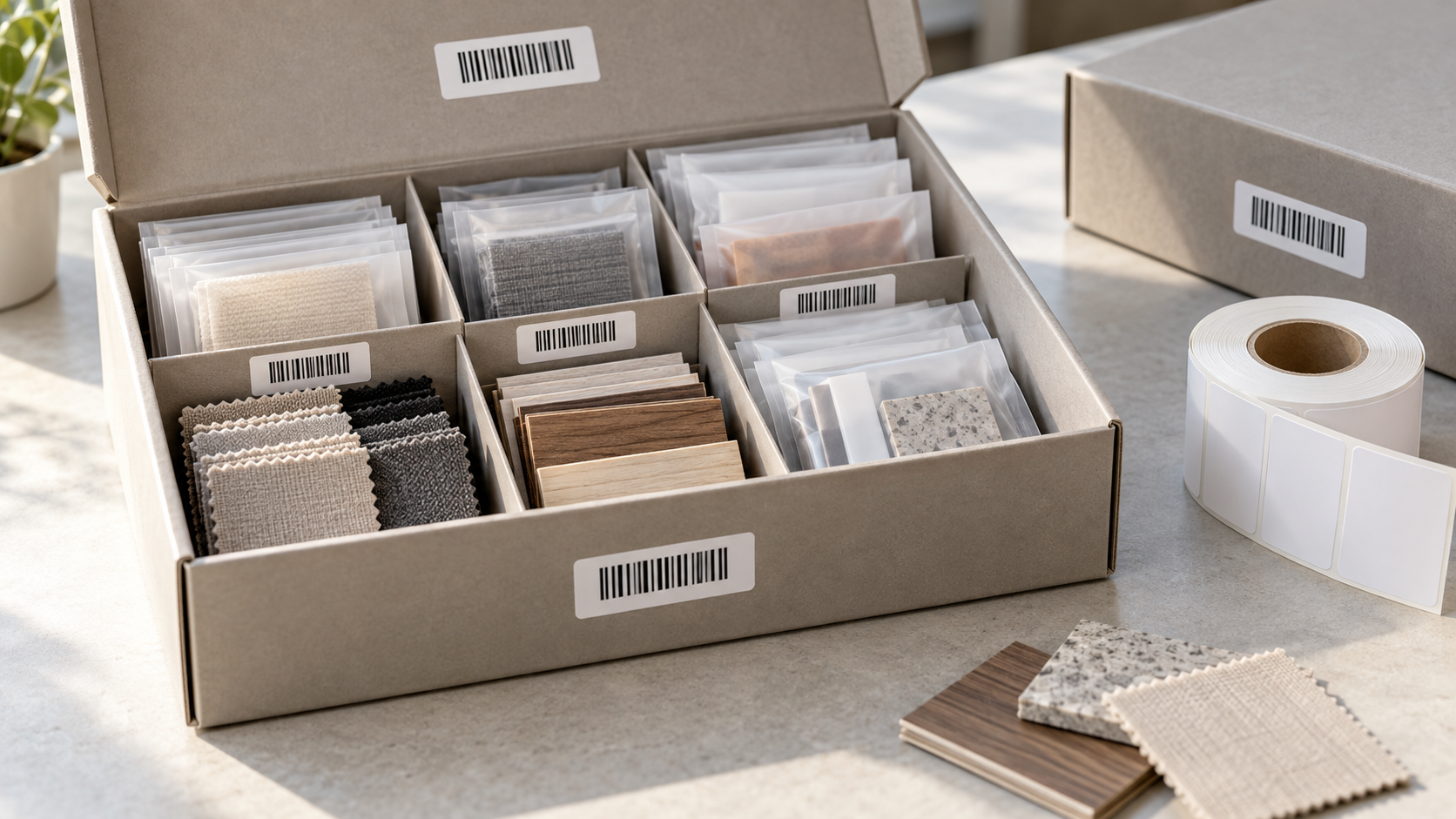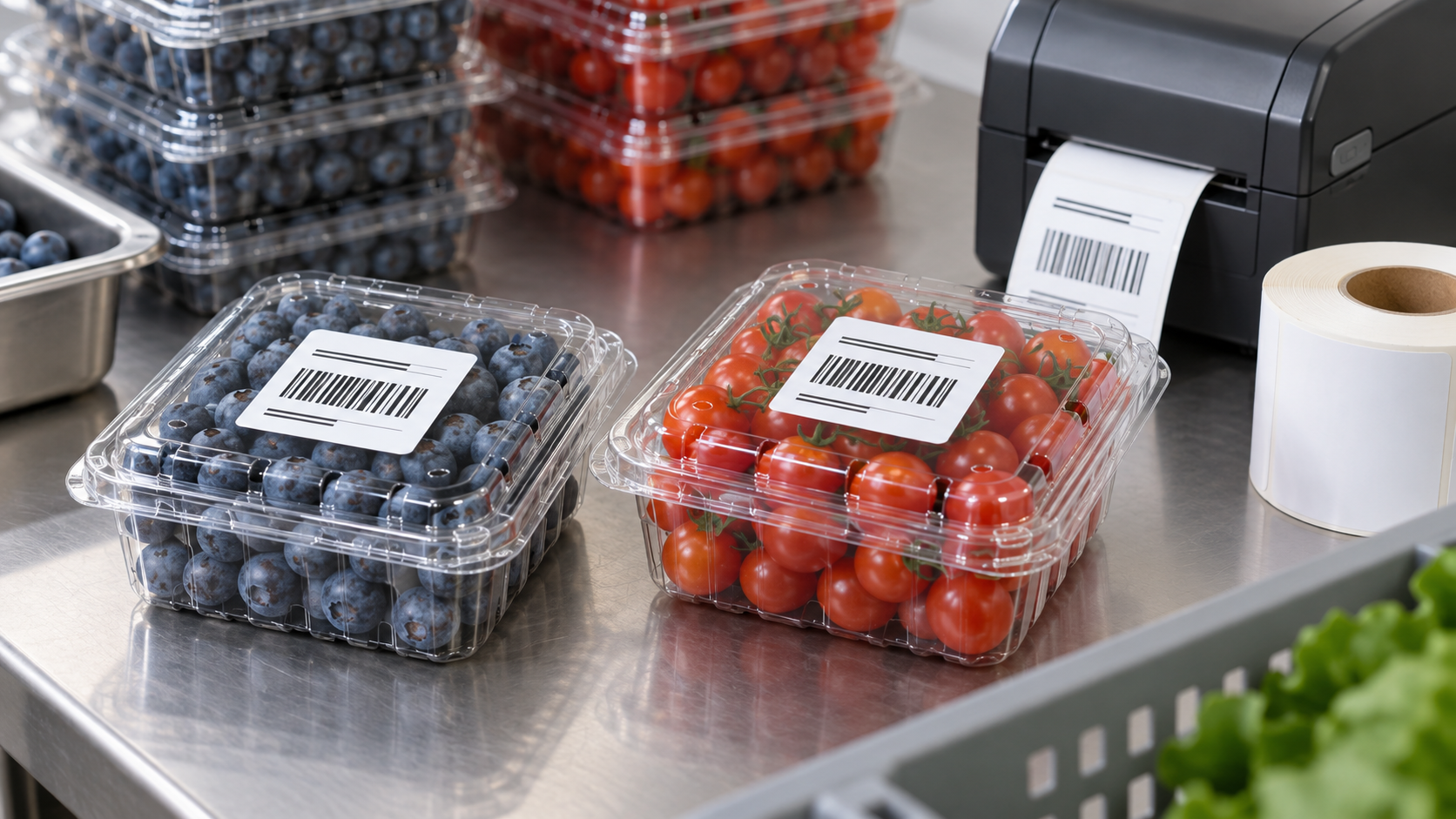
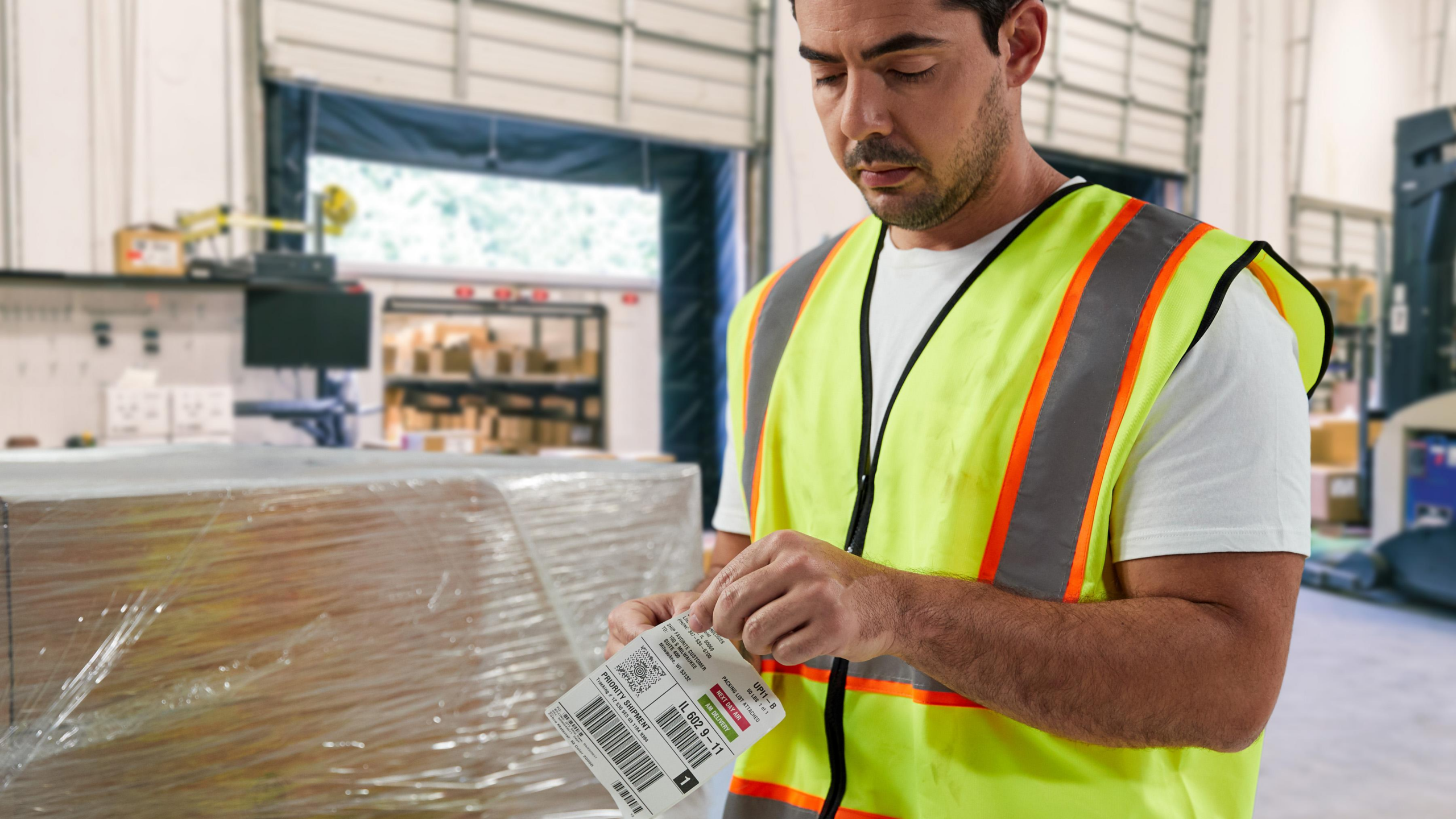
Bulk buying thermal labels is one of the most effective ways for businesses to reduce shipping and packaging costs. By purchasing larger quantities, companies can lower the cost per label, avoid supply shortages, and improve operational efficiency. This guide explains how to choose the right thermal labels, what factors to consider before buying in bulk.
Why Businesses Buy Thermal Labels in Bulk
Businesses that rely heavily on shipping and barcode systems often go through thousands of labels every month. Ordering labels in small quantities may seem convenient initially, but it usually results in higher long-term costs.
Bulk purchasing offers several major advantages.
Lower Cost Per Label
The biggest benefit is reduced pricing. Manufacturers and suppliers typically offer better rates for larger quantities. Buying 100 rolls of labels is almost always cheaper per roll than buying 10 rolls repeatedly throughout the year.
For high-volume sellers, even a small reduction in cost per label can produce significant annual savings.
Fewer Supply Interruptions
Running out of shipping labels can delay order fulfillment and negatively impact customer satisfaction. Bulk inventory helps businesses avoid emergency purchases and shipping delays.
Warehouses and fulfillment centers especially benefit from stable inventory management because label shortages can interrupt entire shipping operations.
Reduced Shipping Costs
Frequent small orders increase shipping expenses over time. Buying in bulk consolidates deliveries and lowers overall transportation costs.
Better Operational Efficiency
Having consistent label inventory improves workflow planning. Employees spend less time managing supply shortages and reordering materials.
Understanding the Different Types of Thermal Labels
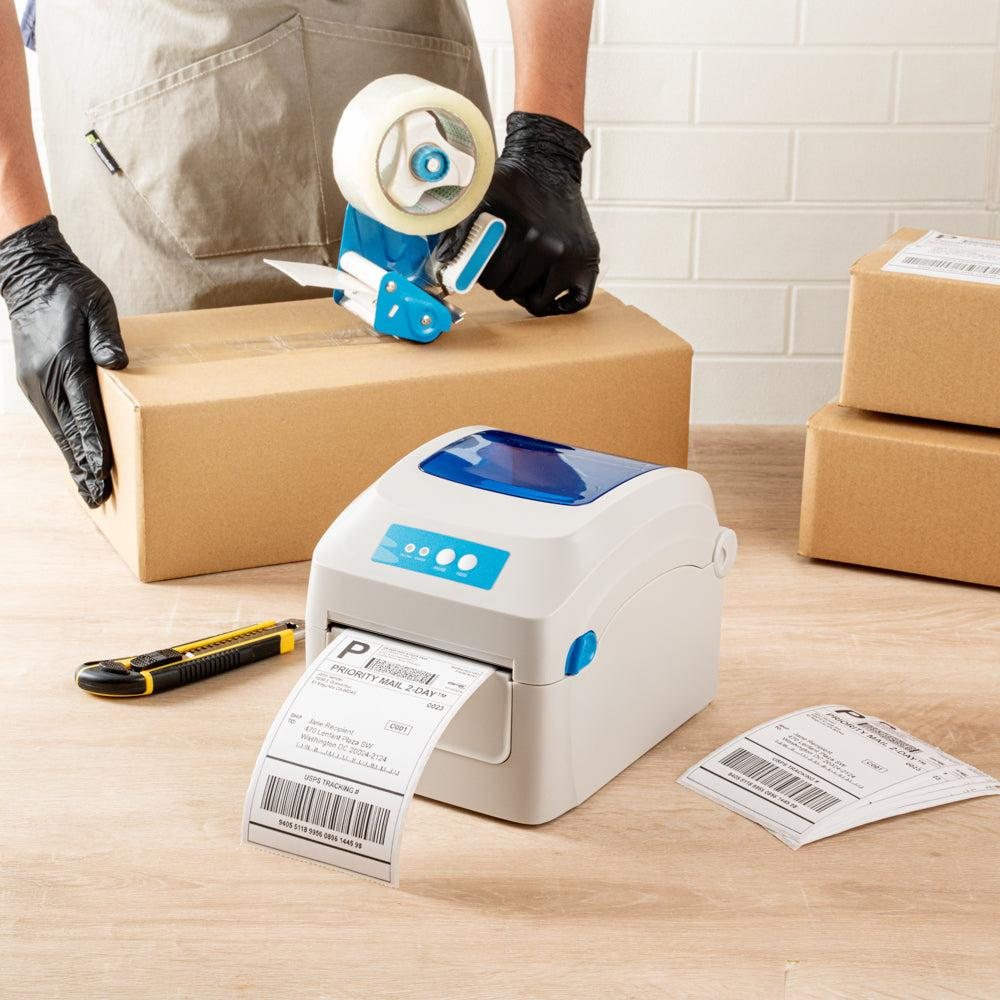
Before buying labels in bulk, businesses should understand the differences between major thermal label categories.
Direct Thermal Labels
Direct thermal labels are one of the most common choices for shipping and logistics.
These labels use heat-sensitive material and do not require ink, toner, or ribbons. They are widely used for:
- Shipping labels
- Barcode labels
- Warehouse labels
- Inventory tracking
- Retail packaging
Direct thermal labels are cost-effective and ideal for short-term applications.
Many businesses use direct thermal labels with printers from brands such as Zebra, Rollo, Brother, and Dymo.
Thermal Transfer Labels
Thermal transfer labels require a ribbon during printing. They offer better durability against heat, chemicals, moisture, and sunlight.
These labels are often used in:
- Industrial environments
- Long-term storage
- Outdoor applications
- Manufacturing facilities
Although thermal transfer systems have higher operating costs, they are valuable for specialized environments.
Roll Labels vs. Fanfold Labels
Bulk buyers should also understand packaging formats.
Roll Labels
- Compact storage
- Common in desktop thermal printers
- Easy to load
Fanfold Labels
- Better for high-volume printing
- Reduce roll replacement frequency
- Popular in warehouse environments
Choosing the right format depends on printer compatibility and workflow requirements.
How Buying Thermal Labels in Bulk Saves Money
Many business owners focus only on the upfront order cost, but the true savings come from long-term operational efficiency.
Lower Wholesale Pricing
Manufacturers generally reduce prices significantly for high-volume purchases. Bulk buyers can often negotiate:
- Lower unit costs
- Factory-direct pricing
- Wholesale discounts
- Long-term supplier agreements
This is especially beneficial for businesses shipping hundreds or thousands of packages per month.
Reduced Downtime
Every time a warehouse runs out of labels, productivity drops. Employees may need to stop packing orders while waiting for replacement inventory.
Bulk purchasing minimizes these interruptions and helps maintain smooth operations.
Fewer Emergency Purchases
Last-minute label purchases often come with higher prices and expensive expedited shipping fees.
Planning ahead with bulk inventory prevents unnecessary emergency costs.
Stable Pricing During Peak Seasons
Shipping supply prices often increase during peak periods such as:
- Black Friday
- Cyber Monday
- Christmas
- Prime Day
Businesses with bulk inventory can avoid seasonal price spikes.
What to Check Before Buying Bulk Thermal Labels
Buying the cheapest labels available is not always the best decision. Poor-quality labels can create scanning problems, printer damage, adhesive failures, and shipping issues.
Here are the most important factors to evaluate before placing a large order.
Printer Compatibility
Always verify that the labels are compatible with your printer model.
Some labels are optimized for:
- Zebra printers
- Rollo printers
- Brother label printers
- Dymo systems
Incorrect sizing or core dimensions may cause:
- Paper jams
- Alignment problems
- Poor print quality
- Excessive printer wear
Reliable suppliers clearly list printer compatibility information for each label product.
Adhesive Quality
Not all adhesives perform equally well.
Weak adhesive labels may peel off during shipping, causing:
- Lost packages
- Barcode scanning failures
- Customer complaints
High-quality thermal labels should maintain strong adhesion under:
- Temperature changes
- Warehouse handling
- Transportation stress
Print Clarity
Poor thermal coatings can lead to faded barcodes or blurry text.
Clear barcode printing is critical for:
- Shipping carriers
- Inventory systems
- Warehouse scanning
- Retail checkout systems
Low-quality labels can reduce scanning accuracy and create workflow inefficiencies.
Label Material
Businesses should choose materials based on application needs.
Common options include:
- Standard paper labels
- Waterproof labels
- Oil-resistant labels
- Freezer-grade labels
- Synthetic labels
Selecting the wrong material can shorten label lifespan and reduce reliability.
Common Mistakes Businesses Make When Buying Cheap Thermal Labels
Many buyers focus exclusively on price and ignore quality considerations. This often leads to higher costs later.
Choosing Extremely Cheap Labels
Ultra-low-cost labels may use poor adhesive materials or inconsistent coatings.
Common problems include:
- Labels falling off packages
- Dark print areas
- Printer residue buildup
- Misaligned printing
In many cases, replacing failed labels costs more than purchasing better products initially.
Ignoring Compatibility
Not every label works properly with every printer.
Businesses sometimes purchase bulk inventory before verifying:
- Label dimensions
- Core size
- Printer support
- Sensor compatibility
Testing sample rolls before large purchases is highly recommended.
Overlooking Storage Conditions
Thermal labels are sensitive to:
- Heat
- Humidity
- Direct sunlight
Improper storage can reduce print quality and adhesive performance.
Buying From Unreliable Suppliers
Some suppliers offer inconsistent manufacturing quality between batches.
Reliable manufacturers maintain:
- Stable coating quality
- Accurate dimensions
- Consistent adhesive performance
- Quality control standards
This consistency is especially important for large-scale operations.
Why Many Businesses Choose Betckey Thermal Labels
When buying thermal labels in bulk, businesses need a supplier that balances affordability, reliability, and printer compatibility. This is one reason many companies choose Betckey thermal labels for shipping and warehouse operations.
Factory-Direct Pricing
Betckey offers factory-direct label solutions that help businesses reduce packaging costs without sacrificing print quality.
Bulk buyers benefit from:
- Competitive wholesale pricing
- Large-volume availability
- Cost-efficient shipping label solutions
For businesses managing high shipping volumes, this can produce significant long-term savings.
Wide Printer Compatibility
Betckey labels are compatible with many popular thermal printer brands, including:
- Zebra
- Rollo
- Brother
- Dymo
This flexibility makes it easier for businesses to standardize label purchasing across multiple departments or warehouse locations.
Strong Adhesive Performance
Shipping labels must remain securely attached throughout the delivery process.
Betckey thermal labels are designed for:
- Reliable adhesion
- Clear barcode printing
- Smudge-resistant performance
- Fast scanning
This helps reduce shipping errors and improves operational efficiency.
Popular Betckey Bulk Label Options
Some of the most commonly purchased bulk thermal labels include:
4×6 Shipping Labels
Ideal for:
- eCommerce shipping
- Fulfillment centers
- Warehouse operations
Barcode Labels
Suitable for:
- Inventory management
- Retail systems
- Warehouse tracking
Round Thermal Labels
Popular for:
- Product packaging
- Branding
- Retail labeling
Waterproof Thermal Labels
Useful for:
- Refrigerated storage
- Moist environments
- Food packaging
Businesses can select label types based on operational requirements and shipping volume.
How Small Businesses Can Benefit From Bulk Label Purchasing
Some small business owners assume bulk ordering is only suitable for large warehouses. However, even smaller sellers can save money through strategic purchasing.
Better Profit Margins
Reducing packaging costs helps improve overall profit margins.
For businesses shipping hundreds of orders monthly, lower label costs can accumulate quickly over a year.
Less Time Spent Reordering
Frequent small purchases waste administrative time.
Buying larger quantities reduces:
- Reordering frequency
- Shipping delays
- Inventory interruptions
More Predictable Expenses
Bulk purchasing creates stable supply costs and simplifies budgeting.
This is especially valuable for:
- Etsy sellers
- Shopify stores
- Amazon sellers
- Small fulfillment operations
Best Practices for Storing Bulk Thermal Labels
Proper storage helps maximize label lifespan and maintain print quality.
Store Labels in a Cool Environment
High temperatures may darken thermal material prematurely.
Avoid Direct Sunlight
UV exposure can damage thermal coatings.
Control Humidity
Excess moisture may weaken adhesives or warp label rolls.
Use Older Inventory First
Rotate inventory using a first-in, first-out system to avoid aging stock.
Proper storage helps businesses protect their bulk investment and maintain consistent print performance.
How to Find the Right Bulk Thermal Label Supplier
Not all suppliers provide the same level of quality or reliability.
Before choosing a supplier, businesses should evaluate:
Product Consistency
Reliable manufacturing standards are essential for large-scale operations.
Customer Support
A good supplier should help buyers:
- Confirm compatibility
- Solve print issues
- Recommend label materials
Shipping Reliability
Fast and consistent delivery schedules reduce operational risk.
Sample Availability
Testing sample rolls before placing large orders helps avoid expensive mistakes.
Final Thoughts
Buying thermal labels in bulk is one of the most effective ways businesses can reduce packaging costs while improving operational efficiency. Lower unit pricing, fewer supply interruptions, and better workflow consistency all contribute to long-term savings.
However, successful bulk purchasing requires more than simply choosing the cheapest labels available. Businesses should carefully evaluate:
- Printer compatibility
- Adhesive quality
- Print performance
- Supplier reliability
- Material durability
High-quality labels help prevent scanning issues, shipping delays, and customer complaints.
For many eCommerce sellers, warehouses, and logistics operations, Betckey thermal labels offer a practical balance of affordability, reliability, and compatibility with major thermal printer brands. By choosing the right supplier and planning inventory strategically, businesses can significantly lower shipping supply costs while maintaining professional labeling performance.
FAQs
Is it cheaper to buy thermal labels in bulk?
Yes. Bulk purchasing usually reduces the cost per roll and lowers overall shipping expenses. Businesses that print labels regularly can save substantial amounts over time through wholesale pricing.
What is the most common thermal label size for shipping?
4×6 thermal shipping labels are the most commonly used size for eCommerce and logistics operations because they are compatible with many shipping carriers and thermal printers.
How long do thermal labels last in storage?
When stored properly in a cool, dry environment away from direct sunlight, thermal labels can typically last for several months or longer while maintaining print quality and adhesive performance.
Are cheap thermal labels bad for printers?
Low-quality thermal labels may create excess residue, alignment issues, or poor print clarity, which can increase printer wear over time. Choosing reliable labels helps maintain printer performance.
Can Betckey thermal labels work with Zebra and Rollo printers?
Yes. Many Betckey thermal labels are designed to be compatible with popular printer brands such as Zebra and Rollo, as well as other common thermal printing systems.