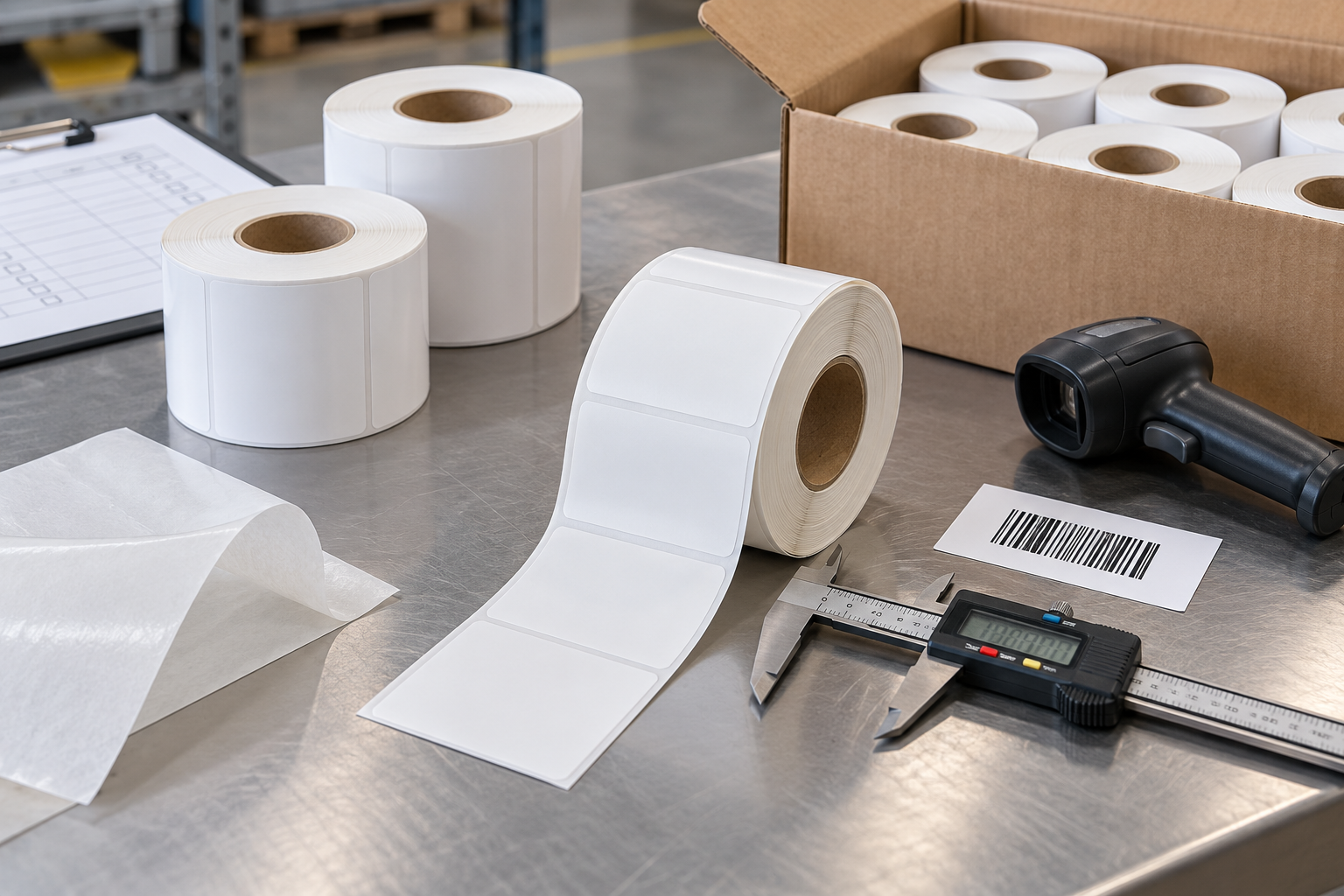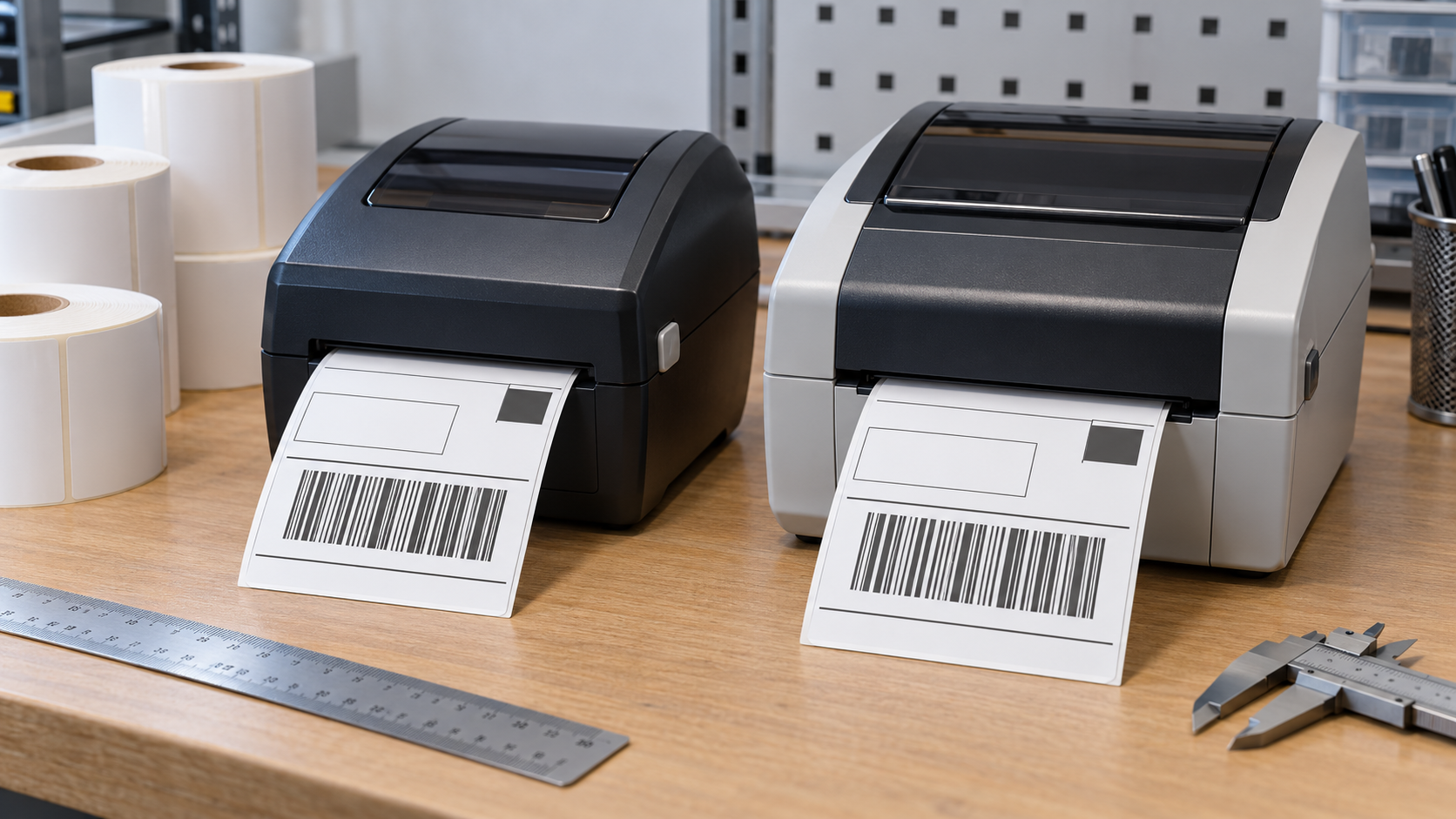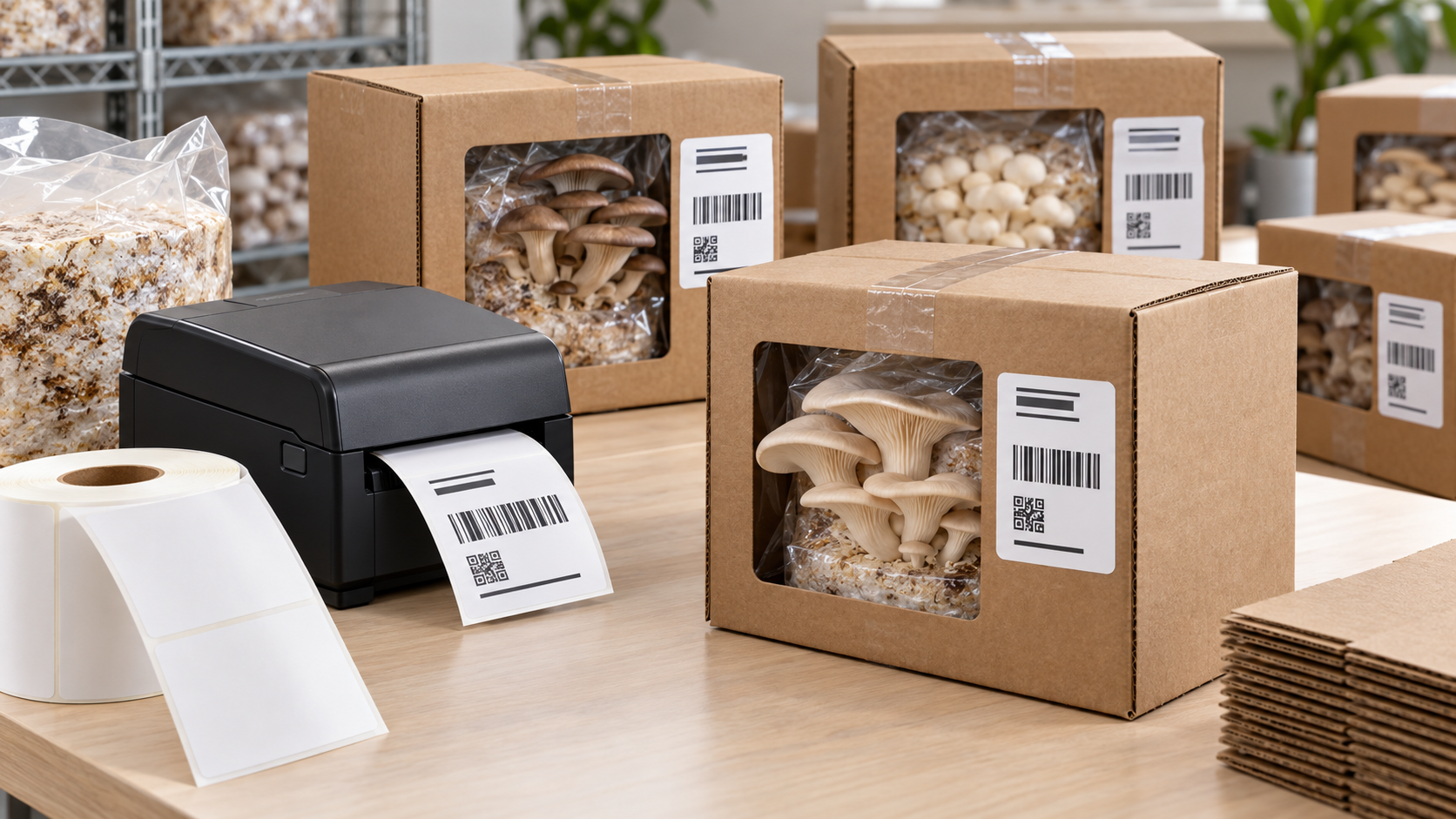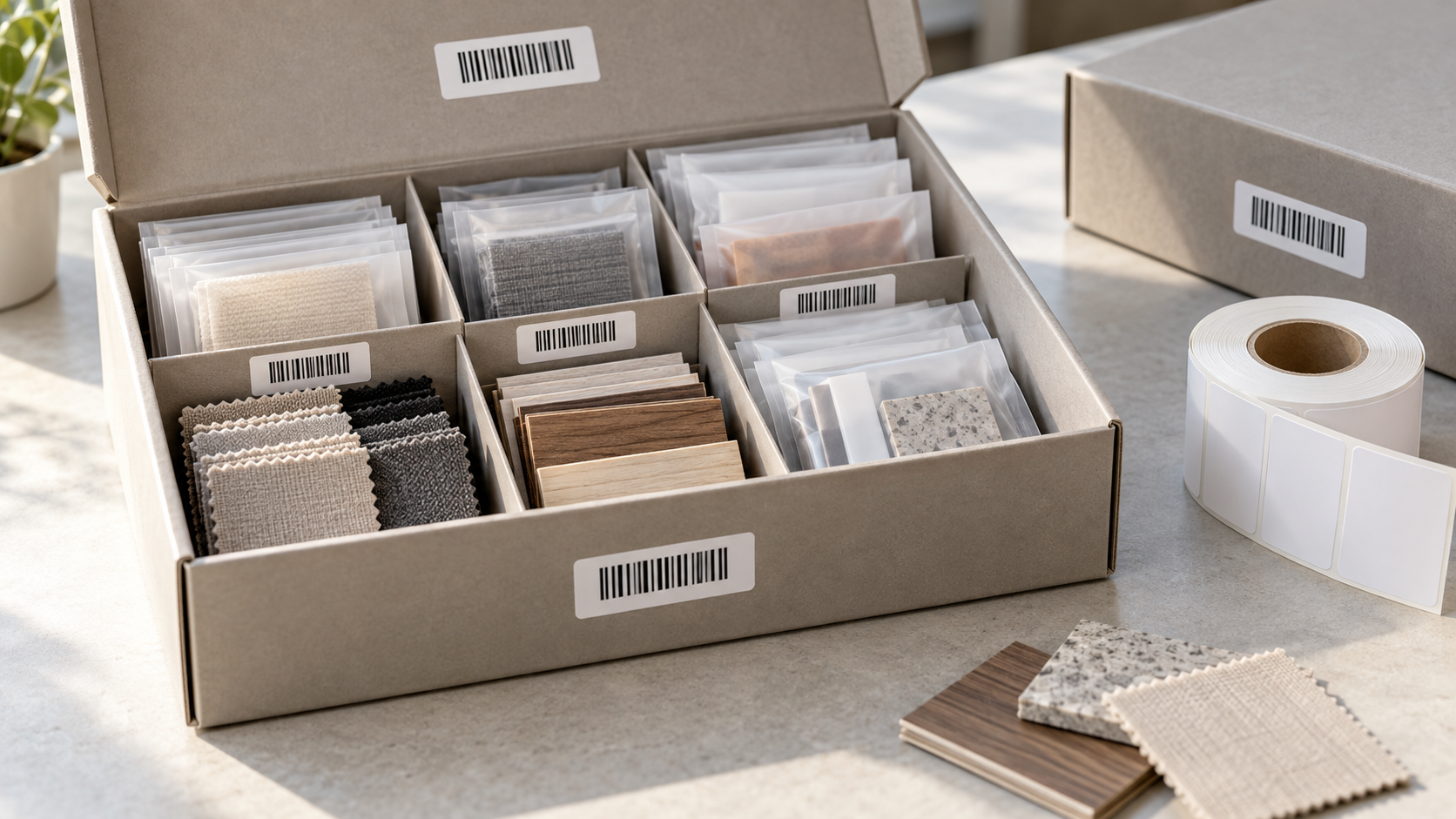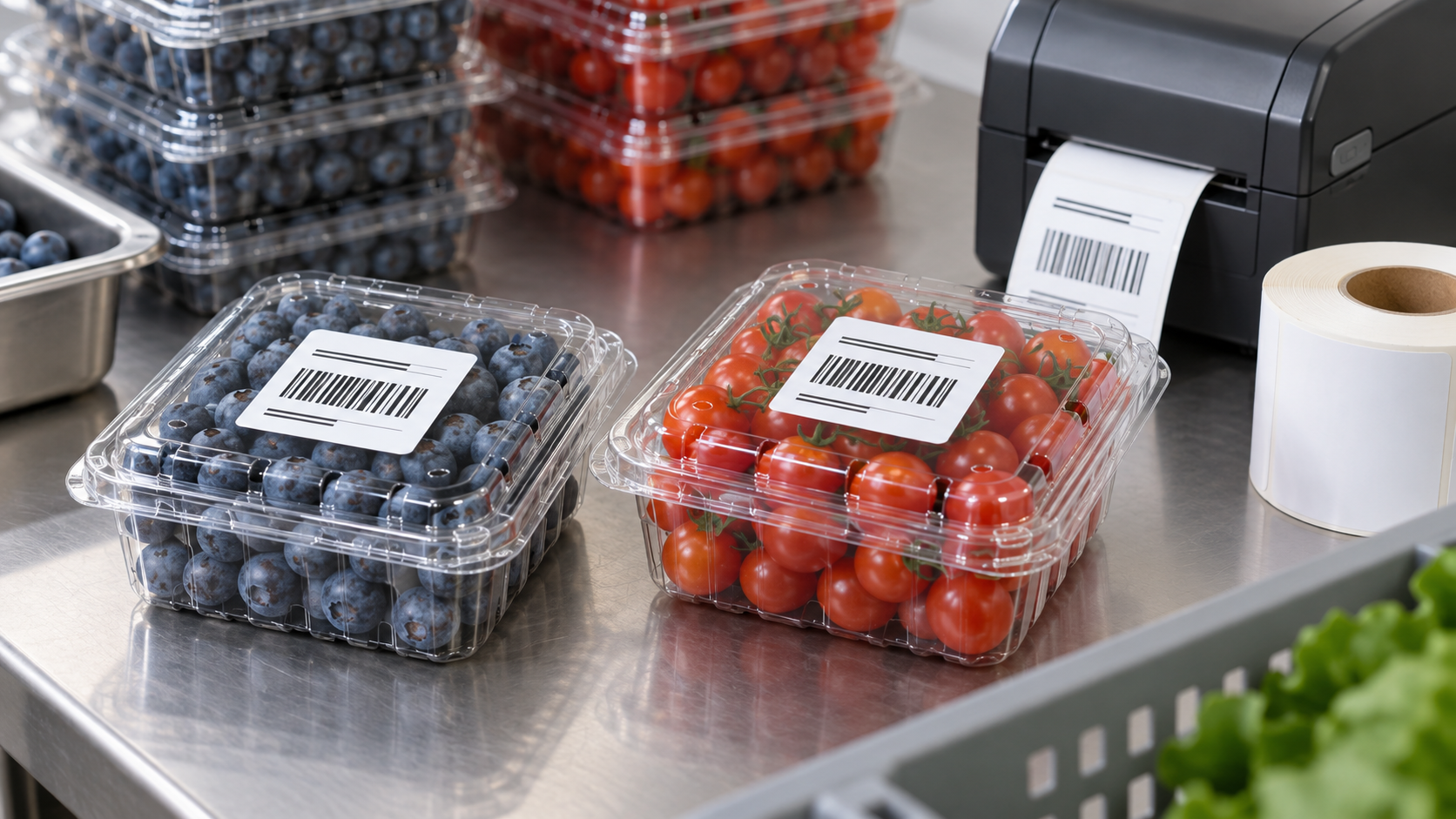
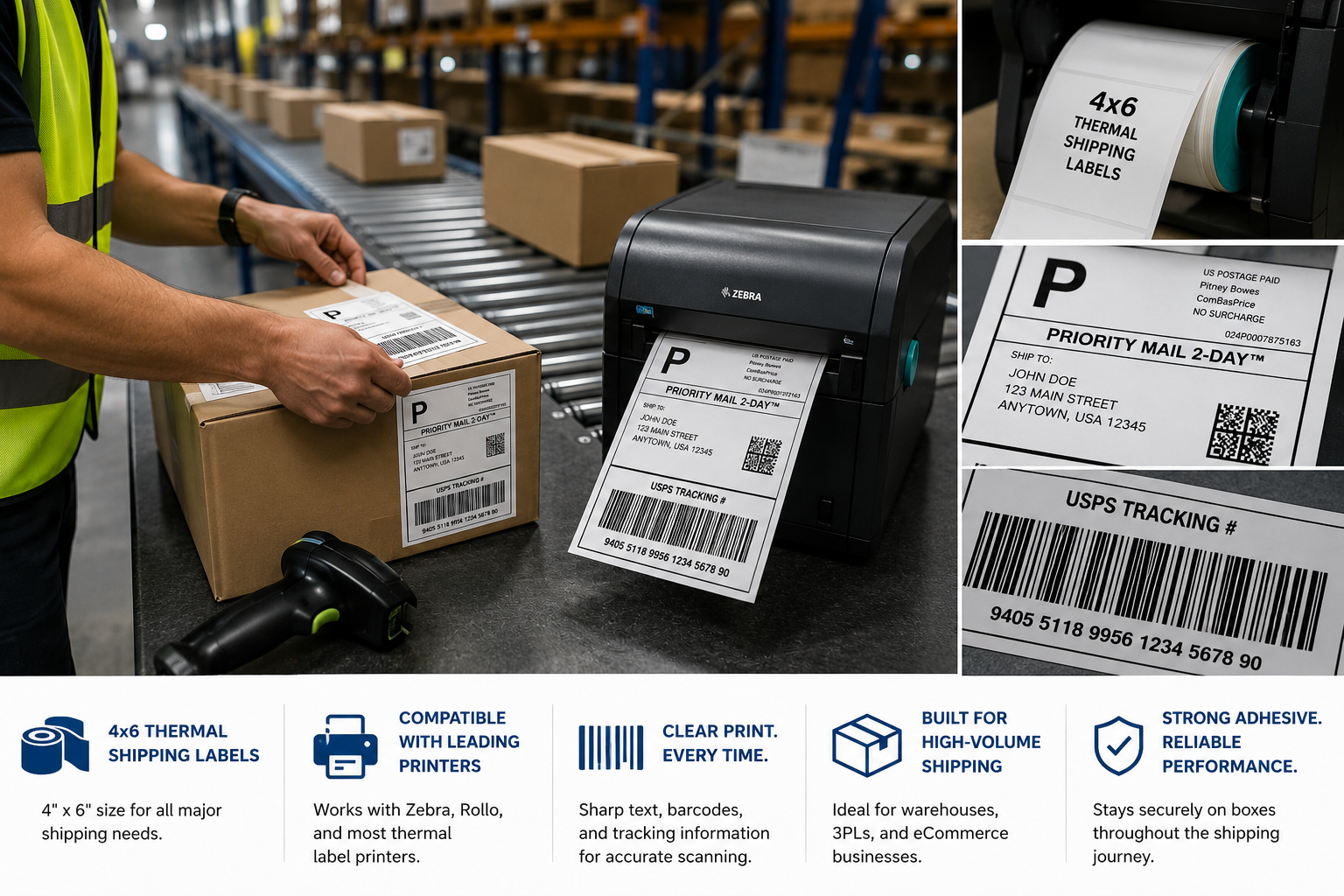
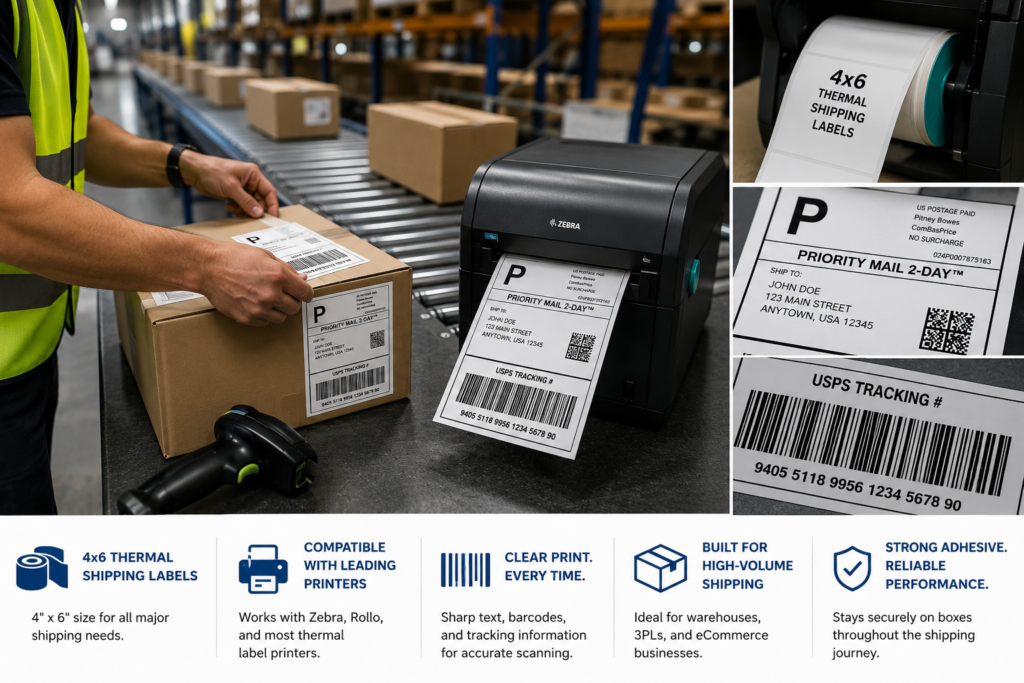
Choosing the right thermal labels can improve shipping accuracy, reduce printing problems, and help businesses operate more efficiently. Whether you run an eCommerce store, warehouse, retail shop, or logistics operation, selecting suitable label materials, sizes, and adhesive types is essential for maintaining smooth workflows and professional results. This guide explains the most important factors businesses should consider when choosing thermal labels and why label quality can directly affect operational costs and customer satisfaction.
What Are Thermal Labels?
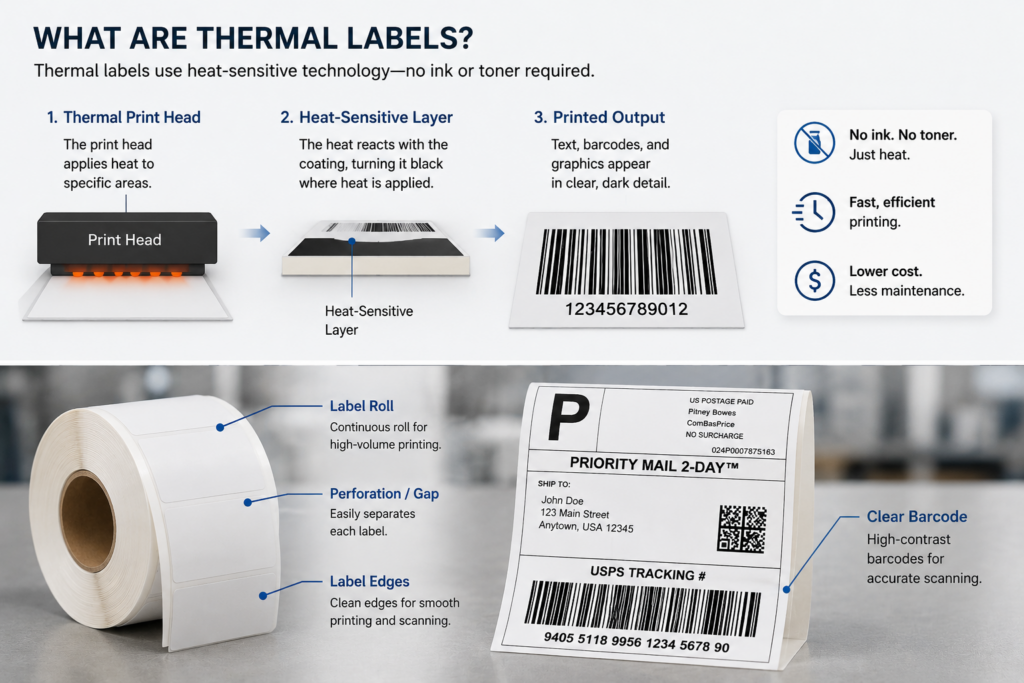
Thermal labels are labels designed for thermal printers that use heat instead of ink or toner to create printed images and barcodes. Because thermal printing eliminates the need for ink cartridges or ribbons in many applications, it has become one of the most efficient and cost-effective printing solutions for modern businesses.
Thermal labels are commonly used for:
- Shipping labels
- Barcode labels
- Inventory labels
- Product packaging
- Warehouse tracking
- Retail pricing
- Logistics operations
Businesses prefer thermal labels because they offer fast printing speeds, reliable barcode readability, and lower maintenance requirements compared to traditional printing systems.
As shipping and inventory management continue to grow more demanding, many companies now rely on high-quality thermal shipping labels to maintain efficient daily operations.
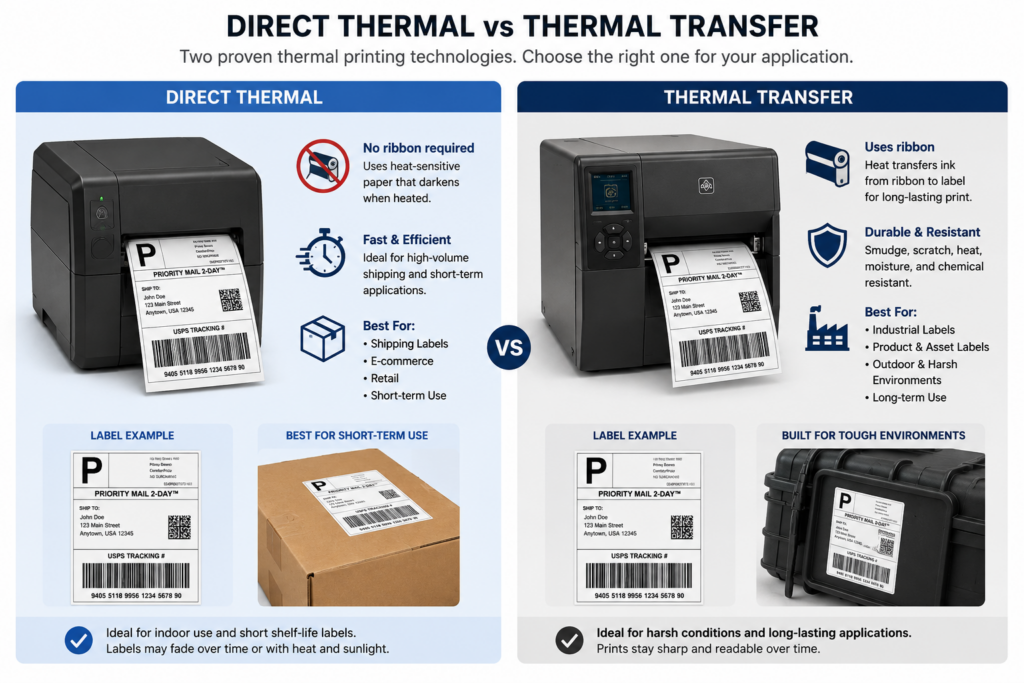
Direct Thermal vs Thermal Transfer Labels
One of the first decisions businesses must make is choosing between direct thermal labels and thermal transfer labels. Although both use heat-based printing technology, they are designed for different business needs.
Direct Thermal Labels
Direct thermal labels use heat-sensitive material that darkens when exposed to heat from the printer’s thermal print head. These labels do not require ribbons, ink, or toner.
Advantages of direct thermal labels include:
- Lower operating costs
- Faster printing setup
- Less maintenance
- Excellent for high-volume shipping
- Easy day-to-day operation
Direct thermal labels are widely used for:
- Shipping labels
- Courier labels
- Warehouse barcodes
- Fulfillment operations
- Retail receipts
For eCommerce and logistics businesses, direct thermal shipping labels are often the preferred option because they support fast and efficient order fulfillment.
Thermal Transfer Labels
Thermal transfer labels require a ribbon that transfers ink onto the label surface during printing.
Advantages include:
- Better long-term durability
- Resistance to heat and chemicals
- Longer-lasting print quality
- Suitable for outdoor or industrial environments
Thermal transfer labels are commonly used for:
- Industrial labeling
- Asset tracking
- Outdoor storage
- Chemical labeling
- Long-term warehouse storage
For most shipping applications, however, direct thermal labels remain the more practical and affordable solution.
How Different Industries Use Thermal Labels
Different industries use thermal labels in different ways. Choosing the right label depends heavily on the environment and operational requirements of the business.
eCommerce Businesses
eCommerce sellers rely heavily on thermal labels for daily shipping operations. Fast order fulfillment is essential for maintaining customer satisfaction, especially for businesses shipping large volumes of packages every day.
Thermal labels are commonly used for:
- Shipping labels
- Return labels
- Barcode labels
- Product identification
Online sellers often prefer 4×6 thermal labels because they provide enough space for shipping addresses, tracking numbers, and large scannable barcodes.
High-quality labels are especially important for marketplaces and fulfillment systems that rely on barcode scanning accuracy.
Warehousing and Logistics
Warehouses and logistics providers depend on barcode systems to track inventory and process shipments efficiently.
Thermal labels are used for:
- Pallet tracking
- Inventory management
- Carton identification
- Shipping workflows
- Warehouse organization
Poor barcode readability can slow down warehouse operations and create expensive shipping errors. This is why many logistics companies prioritize durable and reliable thermal barcode labels.
Retail Businesses
Retail stores often use thermal labels for:
- Shelf pricing
- Product tagging
- Promotional labels
- Inventory organization
Because pricing and inventory frequently change, thermal printing provides retailers with a fast and flexible labeling solution.
Healthcare and Laboratory Use
Healthcare environments require highly accurate labeling systems for patient safety and inventory management.
Common applications include:
- Medication labels
- Specimen tracking
- Patient identification
- Medical inventory management
Reliable printing quality and strong adhesive performance are especially important in healthcare environments where mistakes can create serious operational issues.
What Size Thermal Labels Should You Choose?
Choosing the correct label size is critical because different business applications require different layouts and barcode sizes.
4×6 Shipping Labels
4×6 labels are the industry standard for shipping applications.
They are ideal for:
- Shipping labels
- Fulfillment centers
- Courier services
- Amazon FBA shipments
- Warehouse operations
Because they support large barcodes and detailed shipping information, many businesses rely on 4×6 direct thermal labels for daily fulfillment workflows.
2×1 Barcode Labels
2×1 labels are commonly used for:
- Inventory barcodes
- Shelf labels
- Product identification
- Warehouse organization
These smaller labels are ideal for applications that require compact barcode placement.
Round Labels
Round thermal labels are often used for:
- Handmade products
- Cosmetics
- Candle packaging
- Food packaging
- Branding stickers
Businesses that want professional-looking packaging frequently use round thermal labels to improve product presentation.
Small Address Labels
Smaller labels are useful for:
- Mailing labels
- Office organization
- Product sorting
- File identification
Choosing the right label size improves barcode readability and reduces wasted label material.
How to Choose the Right Adhesive
The adhesive quality of thermal labels directly affects shipping reliability and long-term performance.
Permanent Adhesive
Permanent adhesive labels are designed to remain attached during shipping and handling.
They are commonly used for:
- Shipping labels
- Warehouse labels
- Barcode tracking
- Inventory management
Removable Adhesive
Removable labels can be peeled off without leaving residue.
These are useful for:
- Temporary labeling
- Reusable storage containers
- Promotional applications
Freezer-Grade Adhesive
Businesses operating in cold environments often need freezer-grade labels that remain attached under low temperatures.
These labels are commonly used for:
- Frozen food packaging
- Refrigerated inventory
- Cold-chain logistics
Waterproof Adhesive
Water-resistant labels help maintain readability in humid or wet environments.
These are ideal for:
- Beverage packaging
- Cosmetic products
- Outdoor storage
- Refrigerated shipments
High-quality adhesive performance helps businesses avoid label peeling, package returns, and operational disruptions.
How Printer Compatibility Affects Label Selection
Not all thermal labels are compatible with every printer model. Before purchasing labels, businesses should confirm important specifications such as:
- Print width
- Core size
- Roll diameter
- Printing technology
- Fanfold compatibility
Using incompatible labels may cause:
- Printer jams
- Feeding problems
- Misaligned printing
- Poor barcode quality
Businesses that rely heavily on shipping operations often prefer suppliers that test labels across multiple printer models to ensure reliable performance.
Betckey thermal labels are designed for broad compatibility with many popular thermal printer brands, helping businesses reduce downtime and maintain efficient printing workflows.
Common Problems Caused by Low-Quality Thermal Labels
Although low-cost labels may appear attractive initially, poor-quality thermal labels often create expensive operational problems over time.
Common issues include:
- Weak adhesive
- Faded barcodes
- Printer jams
- Excessive label dust
- Smudged printing
- Curling labels
These problems may lead to:
- Shipping delays
- Failed barcode scans
- Lost packages
- Customer complaints
- Increased labor costs
Poor barcode readability is especially harmful for warehouses and fulfillment centers that rely on automated scanning systems.
Businesses that invest in premium shipping labels for ecommerce often experience fewer operational interruptions and better long-term efficiency.
Key Features to Look for in High-Quality Thermal Labels
When choosing thermal labels, businesses should prioritize consistency, durability, and printing performance instead of selecting the cheapest option available.
Strong Adhesive Performance
Labels should remain securely attached throughout shipping and storage.
Sharp Barcode Printing
High barcode clarity improves scanning reliability and reduces routing errors.
Smooth Printer Feeding
Well-manufactured labels help reduce jams and improve printing efficiency.
Durable Materials
Quality label materials resist fading, scratching, and smudging during transportation.
BPA-Free Materials
Many businesses now prefer BPA-free thermal labels for improved safety and environmental standards.
Easy Peel-and-Apply Design
Easy label application helps improve efficiency during high-volume shipping operations.
Reliable suppliers such as Betckey focus on maintaining consistent product quality to support smooth shipping workflows and professional business operations.
Roll Labels vs Fanfold Labels
Businesses can choose between roll labels and fanfold labels depending on their shipping volume and printer setup.
Roll Labels
Roll labels are wound onto a cylindrical core and are commonly used with desktop thermal printers.
Advantages include:
- Compact storage
- Easy loading
- Portable format
- Widely compatible
Fanfold Labels
Fanfold labels are stacked in folded layers rather than rolled.
Advantages include:
- Better for high-volume printing
- Reduced printer tension
- Less label curling
- Easier bulk storage
Businesses with larger shipping operations often use bulk shipping labels in fanfold format to improve efficiency during long printing sessions.
Why Businesses Buy Thermal Labels in Bulk
Bulk purchasing helps businesses reduce supply costs while maintaining consistent inventory levels.
Advantages include:
- Lower per-label costs
- Stable supply management
- Better operational planning
- Consistent printing quality
- Reduced shipping interruptions
Growing businesses often purchase wholesale thermal labels to support high-volume fulfillment operations while lowering overall operating expenses.
Working with a dependable supplier also helps businesses maintain stable inventory during peak shipping seasons.
Why Choosing the Right Thermal Label Supplier Matters
Choosing the right supplier is just as important as selecting the right labels. Reliable suppliers help businesses maintain consistent shipping quality, reduce operational issues, and improve long-term workflow efficiency.
A dependable thermal label supplier should provide:
- Consistent label quality
- Reliable inventory availability
- Strong printer compatibility
- Fast production capabilities
- Responsive customer support
- Stable bulk supply
For growing businesses, inconsistent label quality can create expensive disruptions across shipping and warehouse operations.
Many businesses choose Betckey thermal labels because they combine reliable print quality, strong adhesive performance, smooth printer compatibility, and factory-direct value. Whether used for eCommerce shipping, warehouse operations, or barcode management, high-quality thermal labels help businesses reduce downtime and maintain professional fulfillment standards.
Conclusion
Choosing the right thermal labels for your business is about more than simply selecting a label size. The right labels can improve shipping accuracy, reduce operational costs, prevent printing problems, and support long-term business efficiency.
Businesses should carefully consider:
- Printing technology
- Label size
- Adhesive type
- Printer compatibility
- Application environment
- Label durability
Although low-cost labels may appear appealing, poor-quality materials often create expensive operational issues over time. Investing in reliable thermal labels helps businesses maintain smooth workflows, improve barcode readability, and reduce shipping disruptions.
Whether you operate a small online store, a busy warehouse, or a growing logistics business, selecting dependable thermal labels is an important part of building an efficient and scalable operation. High-quality products from trusted suppliers like Betckey can help businesses maintain professional shipping performance while supporting long-term operational growth.
FAQs
What is the difference between direct thermal and thermal transfer labels?
Direct thermal labels use heat-sensitive material and do not require ribbons, while thermal transfer labels use ribbons for increased durability and long-term performance.
What size thermal labels are best for shipping?
4×6 labels are the industry standard for shipping because they provide enough space for addresses, tracking numbers, and large scannable barcodes.
Are thermal labels waterproof?
Some thermal labels are designed with water-resistant materials or waterproof adhesives for use in humid or refrigerated environments.
Can thermal labels work with all thermal printers?
Not always. Businesses should verify printer compatibility, including print width and core size, before purchasing labels.
Why do some thermal labels fade over time?
Direct thermal labels may fade when exposed to excessive heat, sunlight, or friction over long periods. High-quality materials can help improve durability and print stability.