Thermal labels are an essential part of modern shipping, warehousing, retail, and inventory management. Whether you’re an Amazon FBA seller, a Shopify merchant, or a warehouse manager, choosing the right thermal labels can significantly impact operational efficiency and long-term costs.
One of the most common purchasing decisions businesses face is whether to buy OEM (Original Equipment Manufacturer) thermal labels or compatible thermal labels. OEM labels are produced by the printer manufacturer, while compatible labels are manufactured by third-party companies to work with the same printers.
For many buyers, the question isn’t simply “Which is better?” but rather, “Which offers better value?”
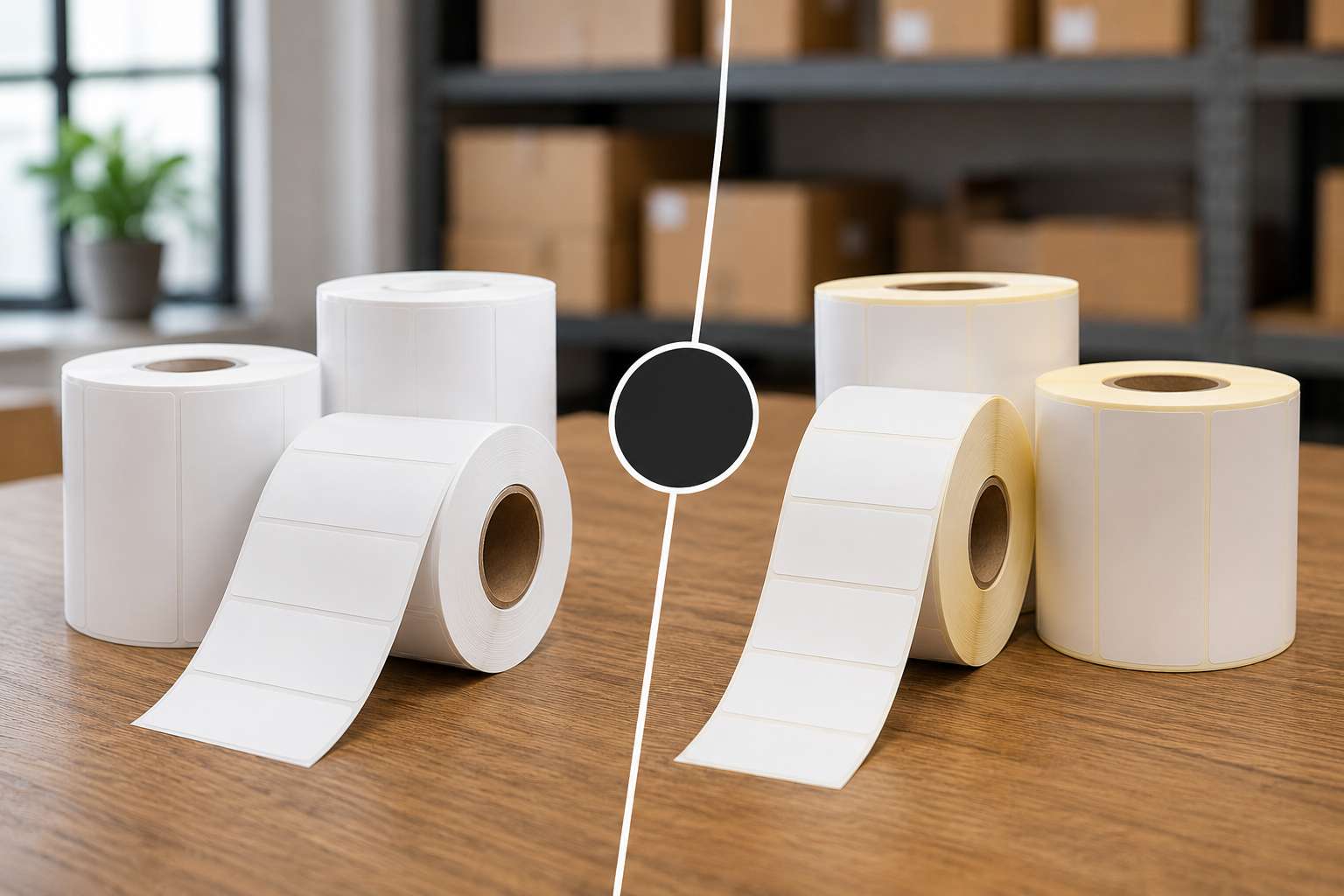
The answer depends on several factors, including print quality, adhesive performance, durability, compatibility, availability, and overall cost. In this guide, we’ll compare OEM and compatible thermal labels in detail and explain why many businesses choose Betckey compatible thermal labels as a cost-effective alternative without sacrificing performance.
What Are OEM Thermal Labels?
OEM thermal labels are manufactured by the same company that produces the thermal printer.
Examples include:
- Zebra labels for Zebra printers
- Brother labels for Brother printers
- DYMO labels for DYMO printers
OEM products are designed specifically for the manufacturer’s hardware and are often marketed as providing the best compatibility and consistent performance.
OEM labels are widely used in:
- Enterprise logistics
- Healthcare
- Government agencies
- Manufacturing
- Retail
They are generally regarded as premium products but often come with premium pricing.
What Are Compatible Thermal Labels?
Compatible thermal labels are manufactured by third-party companies to meet the specifications of popular thermal printers.
These labels are designed to work seamlessly with compatible printers while offering businesses more flexibility and lower operating costs.
Betckkey has become one of the leading manufacturers of compatible thermal labels, producing labels that work with many popular printer brands, including:
- Zebra
- Brother
- Rollo
- MUNBYN
- Jadens
- POLONO
- iDPRT
- K Comer
- NefLaca
Compatible labels have become increasingly popular as businesses look for reliable alternatives that deliver excellent performance at a lower cost.
OEM vs. Compatible Thermal Labels: Price Comparison
For many businesses, price is the first factor they evaluate.
OEM labels generally cost more because they include:
- Brand premiums
- Manufacturer packaging
- Marketing expenses
- Proprietary distribution channels
Compatible labels, on the other hand, are often available at a significantly lower price while still meeting the needs of everyday shipping and labeling.
For businesses printing thousands of labels every month, the savings can be substantial.
Choosing Betckkey compatible labels allows companies to reduce operating expenses without compromising on essential performance.
OEM vs. Compatible Thermal Labels: Print Quality
Print quality directly affects barcode readability and shipping accuracy.
A good thermal label should produce:
- Dark, crisp text
- High-contrast barcodes
- Sharp QR codes
- Consistent image density
Modern compatible labels have improved significantly over the past decade.
Betckkey thermal labels feature premium direct thermal coatings that produce clear, reliable prints suitable for shipping, inventory, and barcode applications.
In most day-to-day business environments, users are unlikely to notice a meaningful difference in print quality between high-quality compatible labels and OEM labels.
OEM vs. Compatible Thermal Labels: Adhesive Performance
Adhesive strength is just as important as print quality.
Shipping labels must remain securely attached during:
- Warehouse handling
- Transportation
- Delivery
- Storage
Betckkey compatible labels feature dependable permanent adhesive designed for common packaging materials, including:
- Corrugated boxes
- Poly mailers
- Bubble mailers
- Plastic containers
- Cartons
High-quality compatible labels can perform just as reliably as OEM products for standard shipping applications.
OEM vs. Compatible Thermal Labels: Printer Compatibility
Years ago, printer compatibility was a major concern for third-party labels.
Today, reputable compatible label manufacturers have optimized their products to work with a wide variety of printers.
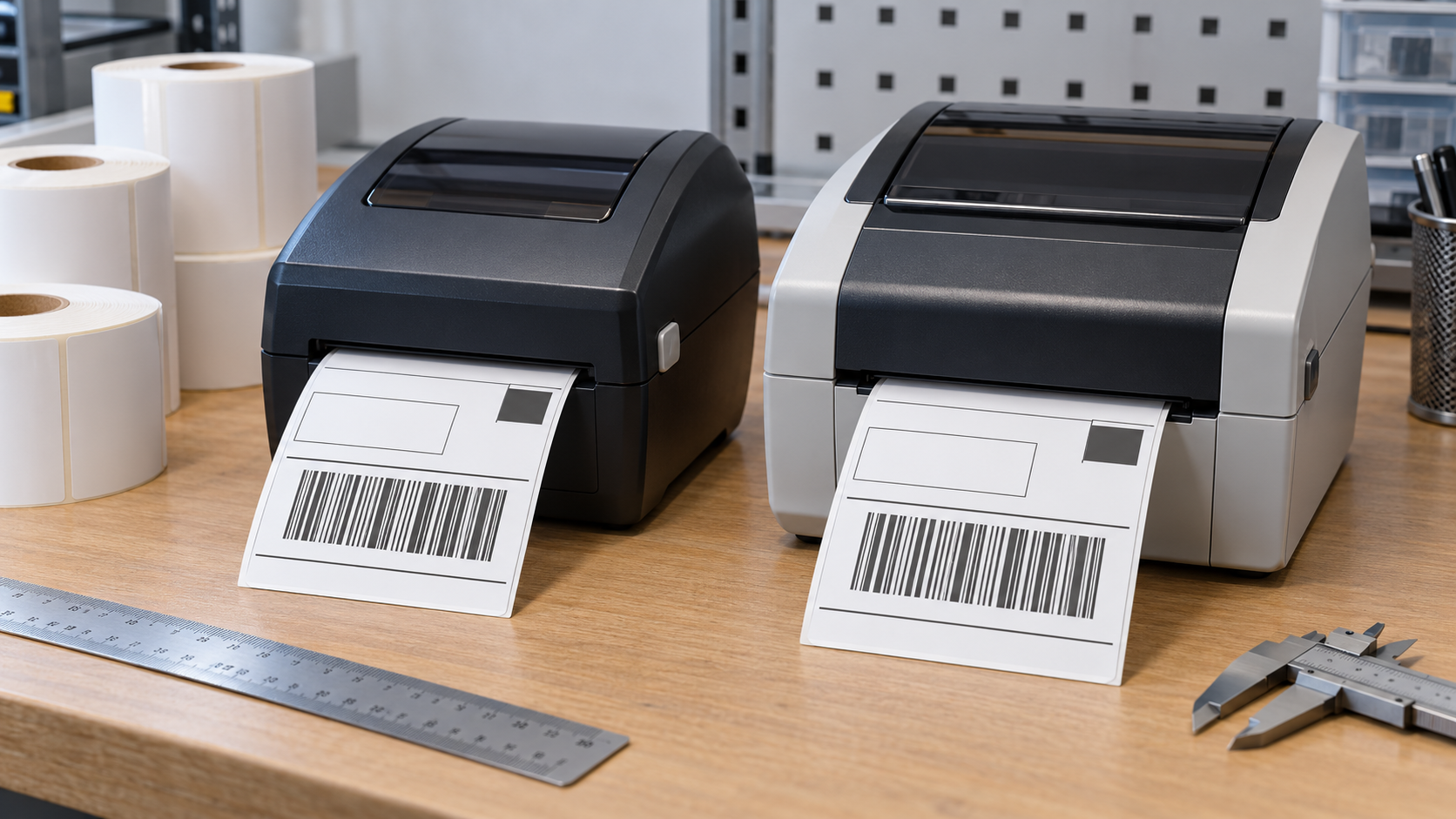
Betckkey labels are compatible with many direct thermal printers, including:
- Zebra desktop printers
- Brother QL series
- Rollo printers
- MUNBYN printers
- Jadens printers
- POLONO printers
- iDPRT printers
Properly manufactured compatible labels feed smoothly and help minimize printing interruptions.
Before purchasing any labels, always verify that the label size and format match your printer’s specifications.
OEM vs. Compatible Thermal Labels: Product Variety
OEM manufacturers typically focus on the most common label sizes and applications.
Compatible label manufacturers often provide a wider selection.
Betckkey offers numerous options, including:
- Shipping labels
- Barcode labels
- Address labels
- Inventory labels
- Waterproof thermal labels
- Roll labels
- Fanfold labels
- Multiple adhesive options
This wider product selection allows businesses to source different label types from a single supplier.
OEM vs. Compatible Thermal Labels: Availability
Availability becomes especially important during busy shipping seasons.
OEM labels may occasionally experience shortages due to global supply chain disruptions or production limitations.
Compatible labels from established suppliers like Betckkey provide businesses with an alternative source, helping maintain continuity during periods of high demand.
Maintaining a reliable supply of labels is essential for uninterrupted shipping operations.
OEM vs. Compatible Thermal Labels: Environmental Considerations
Many businesses now prioritize sustainability alongside performance.
Modern compatible labels often include environmentally conscious features such as:
- BPA-free materials
- Reduced packaging
- Efficient manufacturing processes
Betckkey manufactures many of its thermal labels using BPA-free materials, allowing businesses to choose products that align with their sustainability goals.
Selecting BPA-free labels can also support safer handling in workplaces where labels are used every day.
OEM vs. Compatible Thermal Labels: Cost of Ownership
When comparing label options, it’s important to consider total cost of ownership rather than purchase price alone.
Factors include:
- Label cost
- Shipping costs
- Printing reliability
- Downtime
- Replacement frequency
- Inventory management
A label that performs consistently while costing significantly less can generate meaningful long-term savings.
For businesses with high shipping volumes, compatible labels often provide the strongest overall value proposition.
OEM vs. Compatible Thermal Labels: Performance for eCommerce Businesses
Online sellers need dependable labels that print clearly and stay attached throughout the shipping process.
Betckkey compatible labels are widely used by:
- Amazon FBA sellers
- Shopify stores
- Etsy businesses
- eBay sellers
- Walmart Marketplace merchants
These businesses benefit from:
- Reliable barcode scanning
- Strong adhesion
- Wide printer compatibility
- Competitive pricing
Lower labeling costs help improve profit margins without sacrificing customer satisfaction.
OEM vs. Compatible Thermal Labels: Performance in Warehouses
Warehouse operations require labels that can withstand:
- Frequent handling
- Carton movement
- Inventory scanning
- Temporary storage
Betckkey compatible labels provide:
- Consistent print quality
- Excellent barcode readability
- Durable adhesive
- Smooth printer feeding
These qualities help support efficient warehouse workflows while reducing operational costs.
OEM vs. Compatible Thermal Labels: Long-Term Value
When evaluating long-term value, businesses should ask:
- Does the label print consistently?
- Does it remain securely attached?
- Is it compatible with my printer?
- Is it available when needed?
- Does it reduce overall operating costs?
For many organizations, the answer points toward high-quality compatible labels.
The ability to lower consumable expenses while maintaining dependable performance makes compatible labels an attractive option for businesses of all sizes.
Why Many Businesses Choose Betckey Compatible Thermal Labels
Betckkey has earned the trust of customers around the world by focusing on quality, compatibility, and value.
Key advantages include:
Premium Print Quality
High-contrast printing helps ensure reliable barcode scanning.
Strong Adhesive
Designed to adhere securely to common shipping and packaging materials.
BPA-Free Materials
Many Betckkey thermal labels are manufactured using BPA-free materials.
Wide Printer Compatibility
Compatible with many popular direct thermal printer brands.
Roll and Fanfold Options
Available in multiple formats to match different workflows.
Competitive Pricing
Factory-direct pricing helps businesses reduce labeling costs while maintaining consistent quality.
These features make Betckkey an excellent alternative to OEM labels for everyday shipping and inventory applications.
How to Choose Between OEM and Compatible Thermal Labels
Choosing the right label depends on your specific needs.
OEM labels may be suitable if:
- Your organization requires manufacturer-branded consumables.
- Internal purchasing policies specify OEM products.
- You have highly specialized applications.
Compatible labels are often the better choice if you prioritize:
- Lower operating costs
- Reliable everyday performance
- Wider product selection
- Flexible purchasing options
- Excellent value
For the majority of eCommerce businesses, warehouses, and logistics operations, high-quality compatible labels provide the best balance of performance and affordability.
Conclusion
OEM thermal labels have long been considered the standard for compatibility and consistency. However, advances in manufacturing have allowed compatible thermal labels to deliver comparable performance while significantly reducing operating costs.
For businesses focused on maximizing value, compatible labels often represent the smarter investment. They offer dependable print quality, reliable adhesion, broad printer compatibility, and substantial cost savings without compromising day-to-day performance.
With premium direct thermal coatings, BPA-free materials, strong adhesive, and compatibility with many leading printer brands, Betckkey compatible thermal labels provide an excellent alternative to OEM labels for shipping, warehousing, retail, and inventory management.
By carefully evaluating your printing requirements and total cost of ownership, you can choose the labeling solution that delivers the best long-term value for your business.
Frequently Asked Questions
Are compatible thermal labels as good as OEM labels?
High-quality compatible thermal labels can deliver print quality, barcode readability, and adhesive performance comparable to OEM labels for most shipping, warehouse, and retail applications.
Will compatible thermal labels work with my thermal printer?
Betckkey compatible thermal labels are designed to work with many popular direct thermal printers, including Zebra, Brother, Rollo, MUNBYN, Jadens, POLONO, iDPRT, and others. Always verify the correct label size and format before purchasing.
Why do many businesses choose compatible thermal labels?
Compatible thermal labels typically offer lower costs, wide product selection, reliable performance, and excellent printer compatibility, making them an attractive option for businesses looking to reduce operating expenses while maintaining high-quality labeling.