Choosing the right label material is more important than many businesses realize. Whether you’re shipping packages, organizing inventory, labeling products, or managing warehouse operations, selecting the proper type of label can improve efficiency, reduce costs, and prevent scanning or adhesion problems.
Among the most common options available today are shipping label paper and sticker labels. Although these terms are sometimes used interchangeably, they are not always the same. Different label materials, adhesives, and formats are designed for different applications.
For small businesses, Amazon sellers, Etsy shops, and warehouse operators, understanding the differences between shipping label paper and sticker labels can help ensure better performance and a smoother workflow.
In this guide, we’ll explain how these two types of labels differ, their advantages and disadvantages, and which option is best for various applications. Throughout the article, Betckey thermal labels will be used as a benchmark when discussing thermal label products.
Understanding Shipping Label Paper
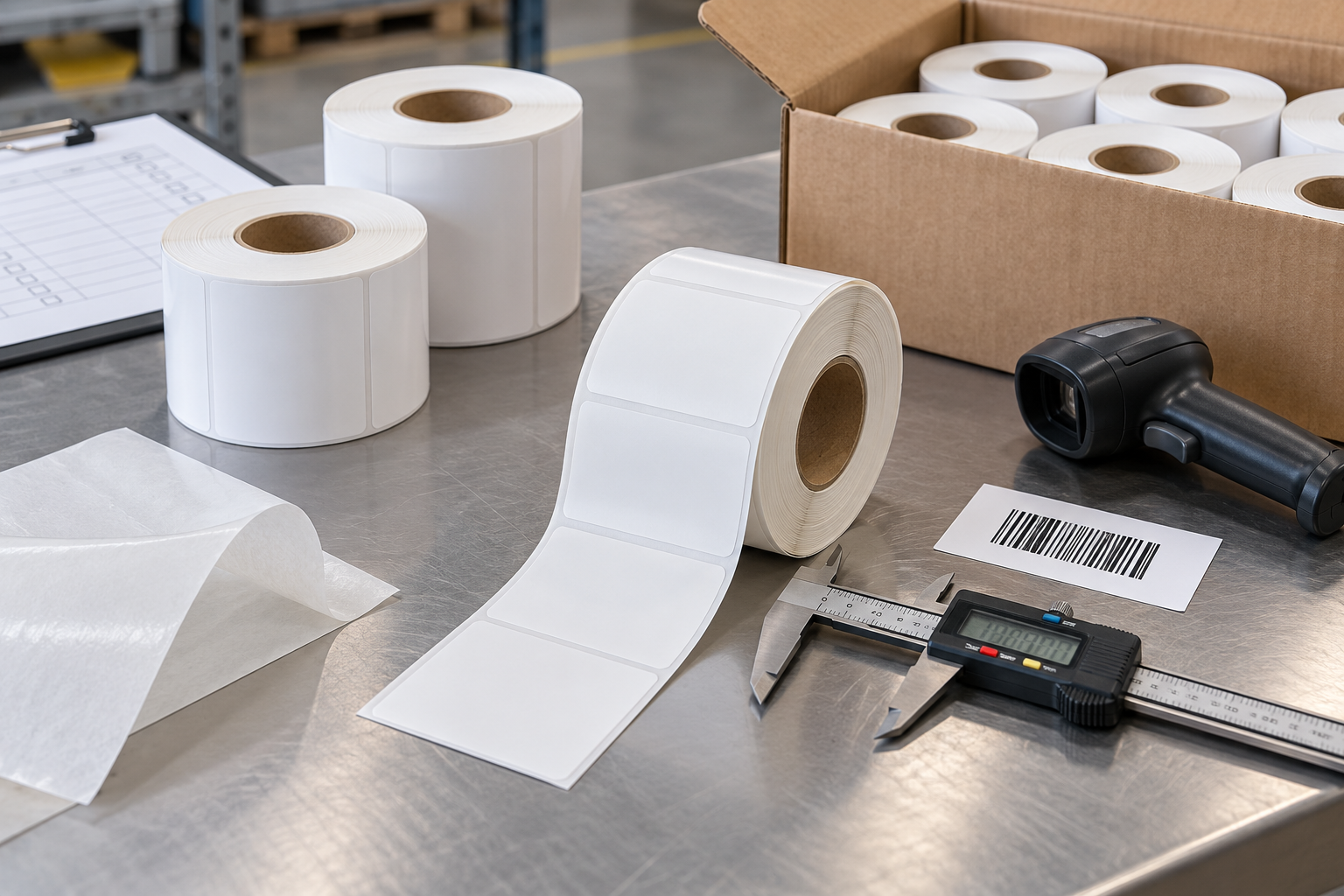
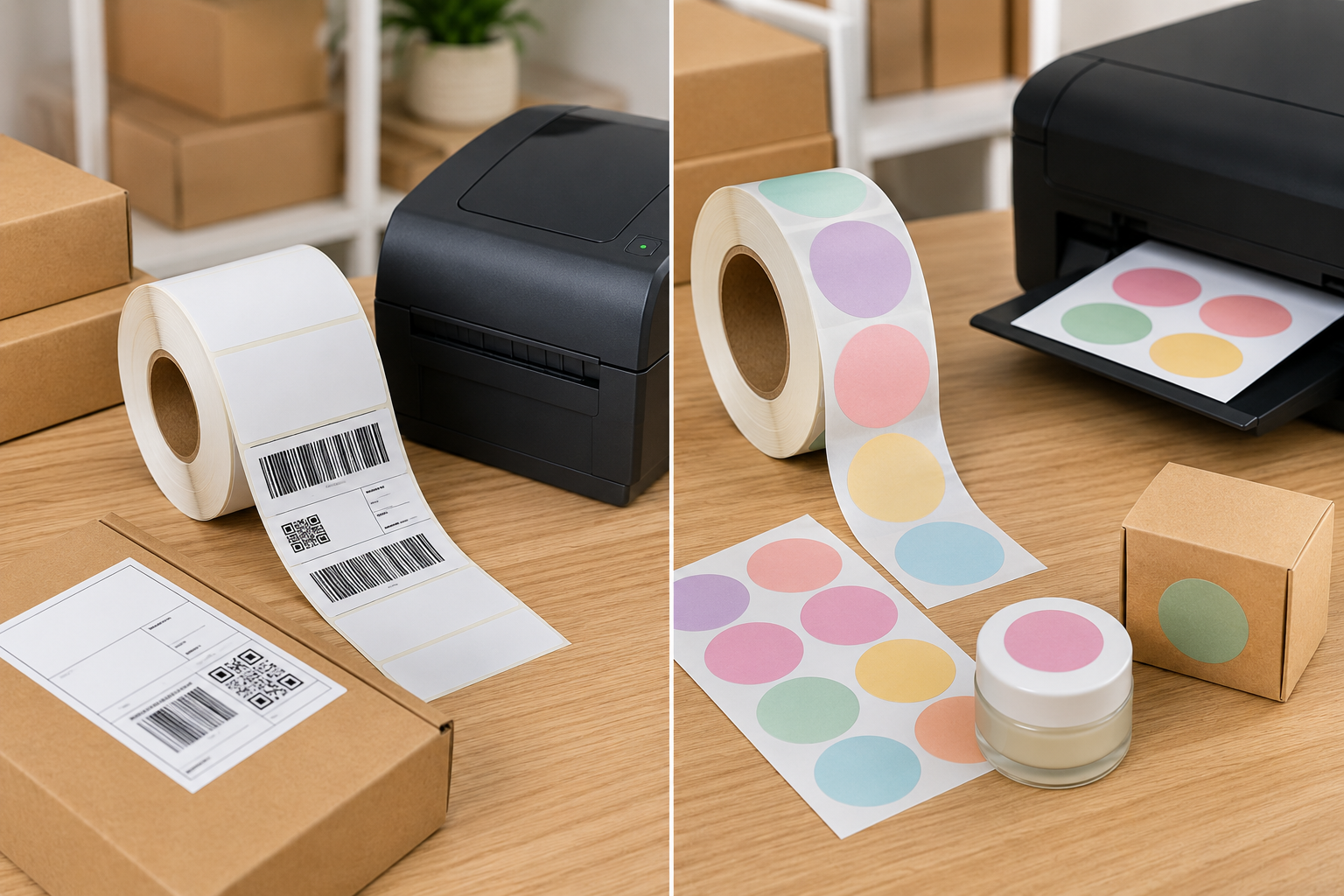
Shipping label paper generally refers to labels specifically designed for shipping packages. These labels are optimized for barcode readability, carrier compatibility, and long-term adhesion during transportation.
Most shipping label paper used today is direct thermal label paper.
Unlike traditional paper, direct thermal labels contain a heat-sensitive coating. When used with a thermal printer, the coating turns black in specific areas to create text, images, and barcodes.
Common uses for shipping label paper include:
- USPS shipping labels
- UPS shipping labels
- FedEx shipping labels
- Amazon FBA labels
- Shopify shipping labels
- Warehouse labels
- Inventory labels
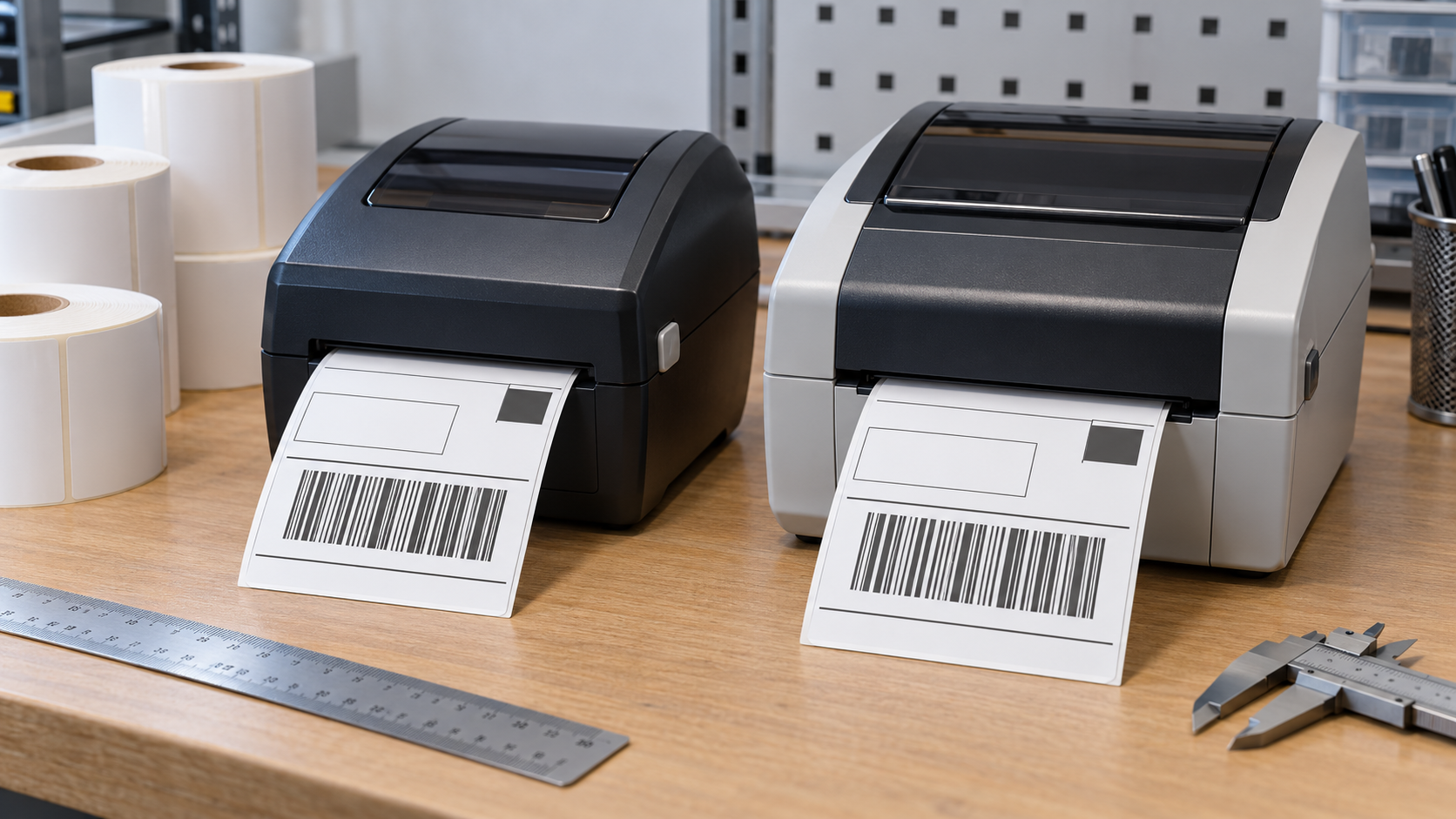
Products such as Betckey 4×6 thermal shipping labels are specifically designed for these applications and provide reliable performance without requiring ink or toner.
What Are Sticker Labels?
Sticker labels are a broader category.
A sticker label simply refers to any adhesive-backed label that can be attached to a surface. Sticker labels may be printed using:
- Inkjet printers
- Laser printers
- Thermal printers
- Commercial printing equipment
Sticker labels are commonly used for:
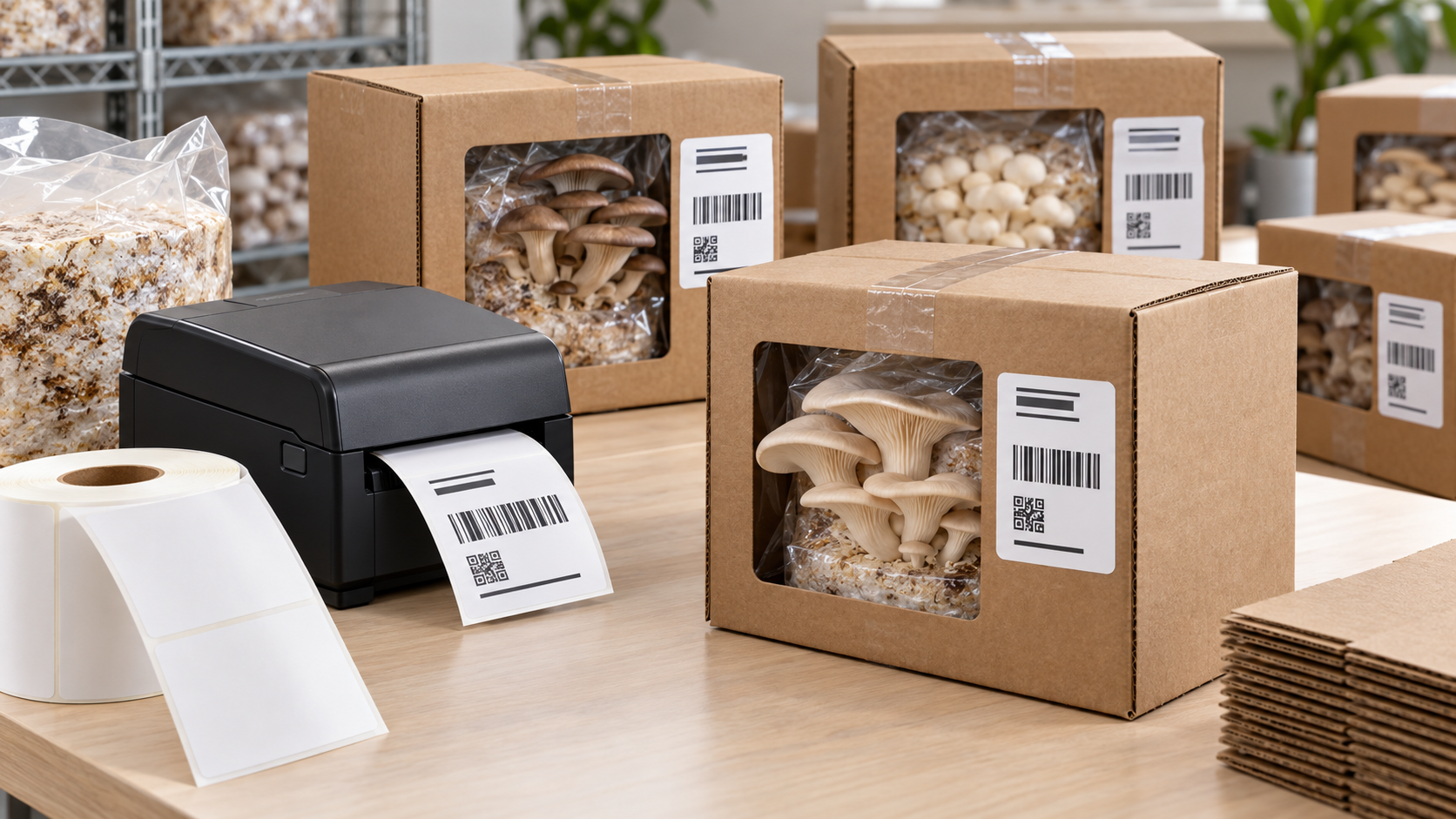
- Product packaging
- Branding labels
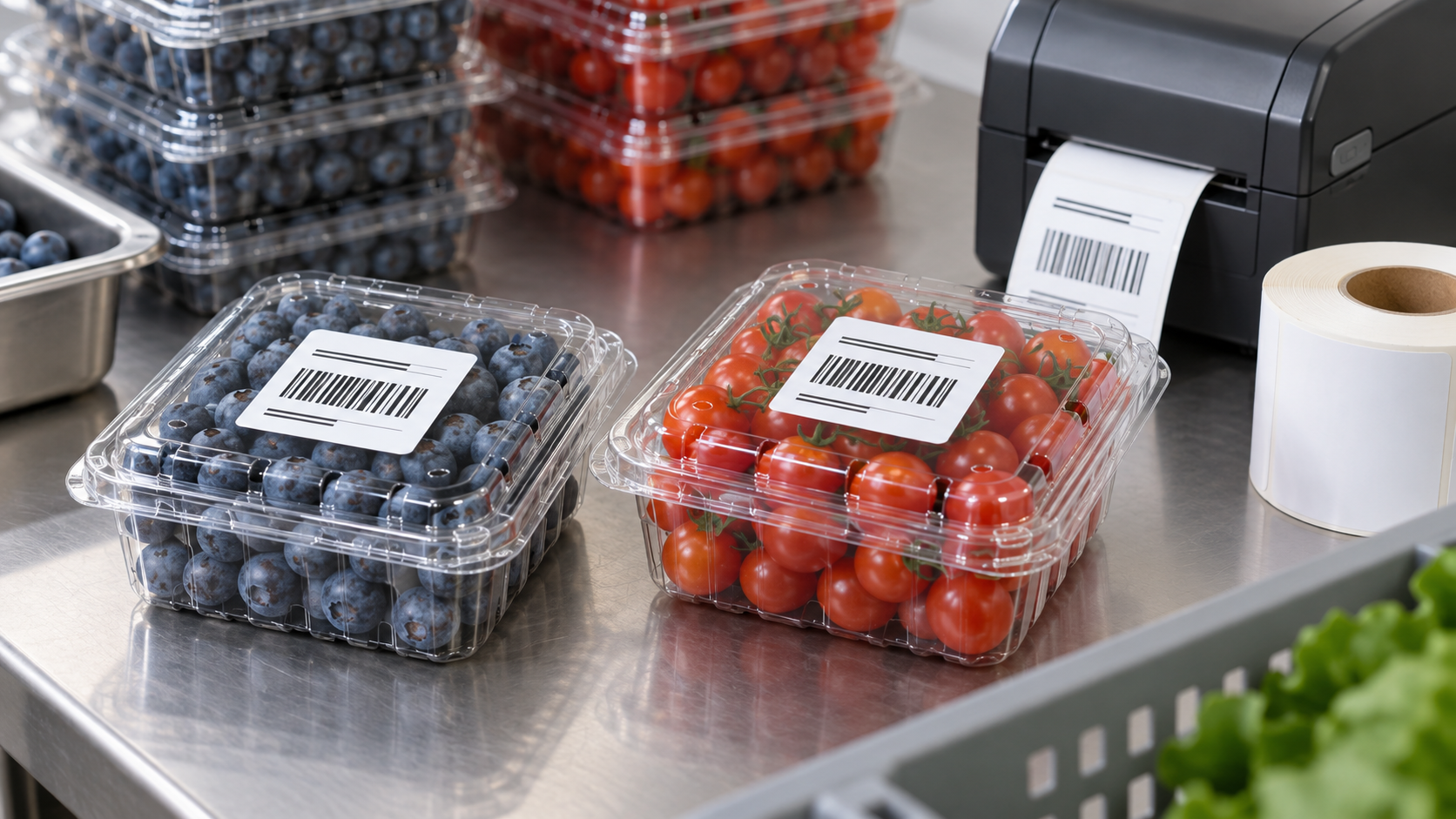
- Food labels
- Address labels
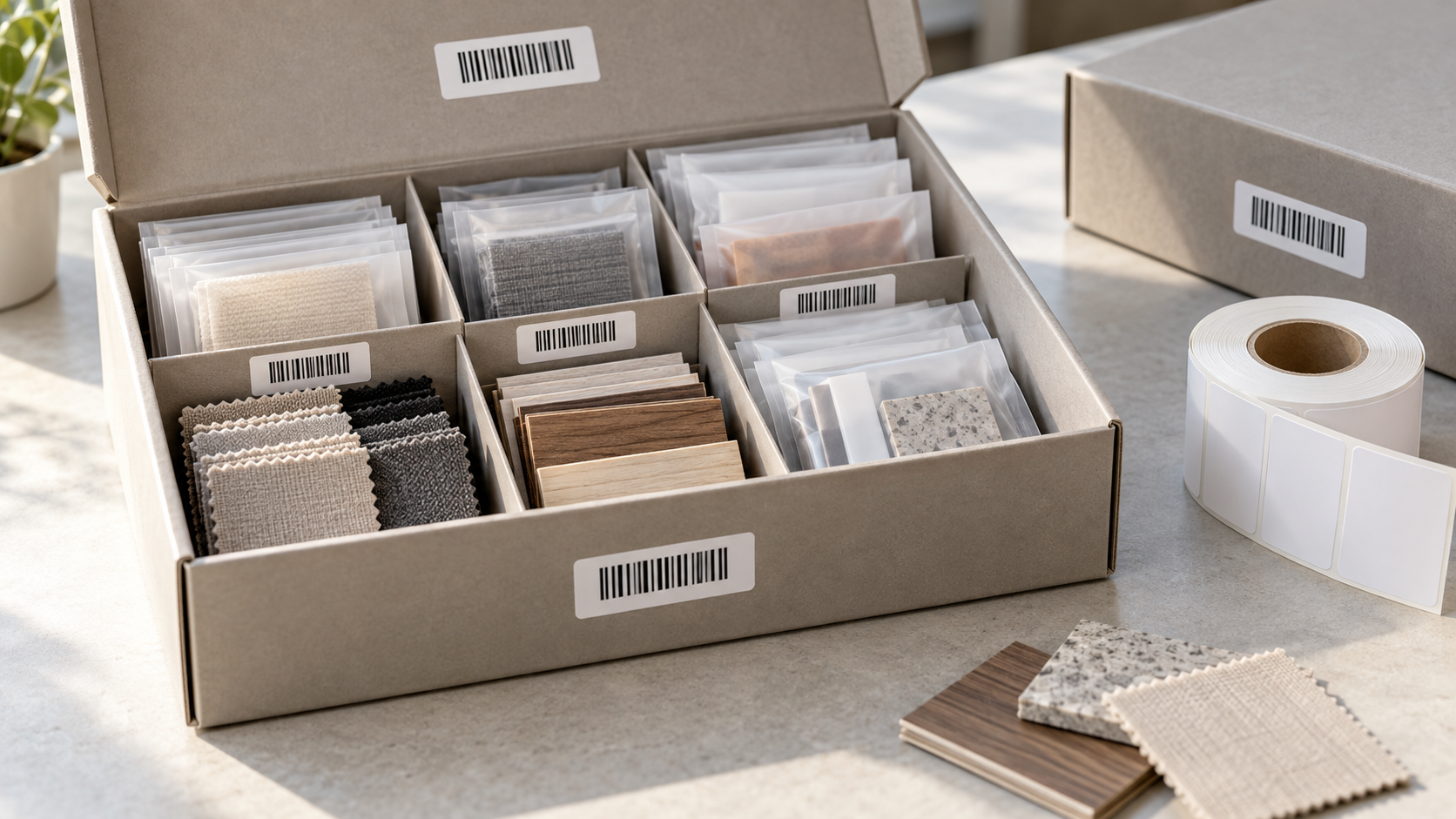
- Barcode labels
- Warning labels
- Promotional stickers
Because sticker labels cover a wide variety of materials and applications, they are not always intended for shipping purposes.
Some sticker labels prioritize appearance, while others focus on durability or removability.
How Are Shipping Label Paper and Sticker Labels Different?
Although both have adhesive backing, they differ in several important ways.
Purpose
Shipping label paper is specifically designed for transportation and barcode scanning.
Sticker labels are designed for many purposes, including branding, decoration, organization, and packaging.
Printing Method
Shipping label paper often uses direct thermal technology.
Sticker labels may use:
- Inkjet printing
- Laser printing
- Thermal printing
- Offset printing
Adhesive Strength
Shipping labels usually feature permanent adhesive that must survive:
- Humidity
- Temperature changes
- Handling
- Transportation
Sticker labels may use:
- Permanent adhesive
- Removable adhesive
- Repositionable adhesive
Appearance
Shipping labels prioritize function over aesthetics.
Sticker labels may include:
- Colors
- Glossy finishes
- Matte finishes
- Waterproof films
- Custom shapes
Cost
Direct thermal shipping labels generally provide lower operating costs because they eliminate the need for ink and toner.
Decorative sticker labels often cost more due to additional materials and printing processes.
What Materials Are Used in Shipping Label Paper?
Shipping labels are available in several materials.
Direct Thermal Paper
Direct thermal paper is the most common material.
Advantages include:
- No ink required
- Fast printing
- Low maintenance
- Cost-effective operation
Betckey direct thermal labels are made using BPA-free paper and are compatible with many popular thermal printers.
Thermal Transfer Paper
Thermal transfer labels require ribbons and are suitable for applications requiring extended durability.
They are often used for:
- Asset tracking
- Industrial labeling
- Outdoor storage
Synthetic Materials
Polypropylene and polyester labels provide additional resistance to:
- Water
- Oil
- Chemicals
- Tearing
These materials are common in demanding environments.
What Materials Are Used in Sticker Labels?
Sticker labels come in many varieties.
Paper Stickers
Paper stickers are economical and ideal for:
- Packaging
- Branding
- Indoor use
Vinyl Stickers
Vinyl stickers offer excellent durability and weather resistance.
They are frequently used for:
- Outdoor applications
- Promotional decals
- Vehicle graphics
Polyester Stickers
Polyester labels resist:
- Moisture
- Chemicals
- Abrasion
Transparent Labels
Clear labels provide a premium appearance and are often used for cosmetics and luxury packaging.
Advantages of Shipping Label Paper
Shipping label paper offers several benefits.
Lower Operating Costs
Because direct thermal labels require no ink or toner, they are extremely economical.
Using Betckey thermal shipping labels with a thermal printer can significantly reduce long-term printing costs.
Faster Printing
Thermal printers produce labels quickly, making them ideal for:
- eCommerce sellers
- Fulfillment centers
- Warehouses
Better Barcode Readability
Sharp printing improves scanning performance.
Carriers such as USPS, UPS, and FedEx rely heavily on barcode accuracy.
Strong Adhesion
Shipping labels are designed to remain attached throughout the shipping process.
Betckey labels feature strong permanent adhesive suitable for:
- Corrugated boxes
- Poly mailers
- Bubble mailers
- Cartons
Less Maintenance
Without ink cartridges or toner replacements, thermal printing systems require minimal maintenance.
Advantages of Sticker Labels
Sticker labels offer their own advantages.
More Attractive Appearance
Sticker labels can be customized with:
- Colors
- Logos
- Graphics
- Gloss finishes
- Matte finishes
Greater Flexibility
Sticker labels are available in numerous:
- Sizes
- Shapes
- Materials
- Adhesives
Suitable for Branding
Businesses frequently use sticker labels to enhance product packaging and brand identity.
Removable Options
Some sticker labels are designed to be removed without leaving residue.
This is useful for temporary applications.
Which Is Better for Shipping?
For shipping applications, shipping label paper is almost always the better choice.
Reasons include:
- Carrier compatibility
- Faster printing
- Lower costs
- Strong adhesive
- Reliable barcode scanning
Products like Betckey 4×6 direct thermal labels are specifically engineered for shipping and fulfillment operations.
Decorative sticker labels may look attractive, but they are not always optimized for shipping environments.
Roll Labels vs. Sheet Labels
Both shipping labels and sticker labels are available in different formats.
Roll Labels
Roll labels are popular for thermal printers.
Advantages include:
- Continuous printing
- Faster operation
- Reduced downtime
Betckey offers roll labels compatible with printers from:
- Zebra
- Brother
- Rollo
- Jadens
- POLONO
- Munbyn
Fanfold Labels
Fanfold labels are stacked rather than rolled.
Benefits include:
- Large capacity
- No roll holder required
- Space efficiency
Sheet Labels
Sheet labels are commonly used with inkjet and laser printers.
They are ideal for:
- Product labels
- Address labels
- Small-volume printing
Which Type Is Best for Small Businesses?
The answer depends on the application.
For Shipping Packages
Choose direct thermal shipping labels.
They provide:
- Fast printing
- Low costs
- Excellent barcode quality
Betckey thermal shipping labels are particularly suitable for:
- Amazon sellers
- Etsy shops
- Shopify stores
- eBay businesses
For Product Branding
Sticker labels are often the better choice because they offer:
- Color printing
- Premium finishes
- Custom shapes
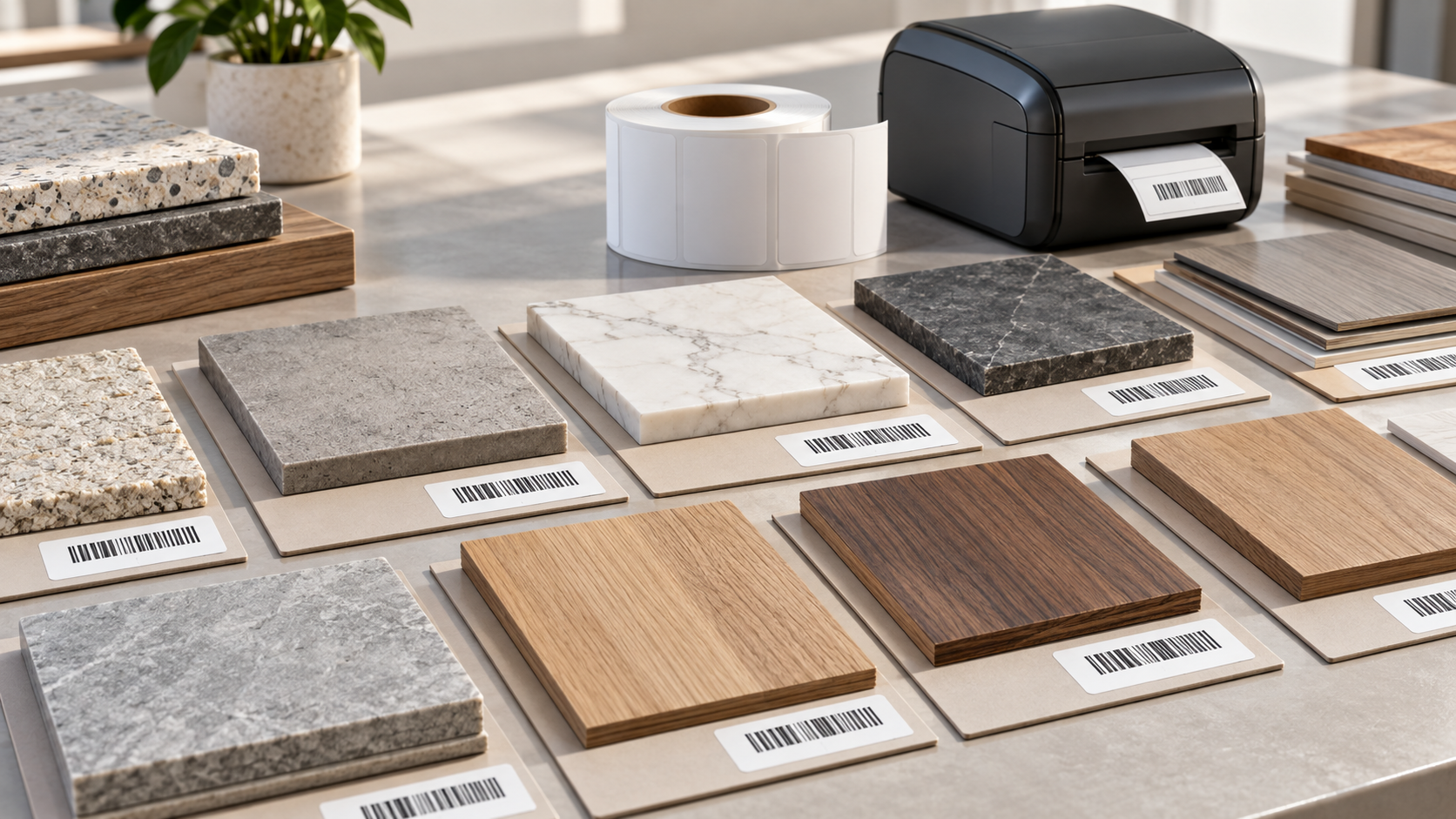
For Inventory Management
Thermal labels are preferred because they are easy to print and highly economical.
For Temporary Labels
Removable sticker labels may be the best option.
Common Misconceptions
Several misconceptions surround these label types.
All Sticker Labels Are Waterproof
False.
Many paper sticker labels are not water resistant.
Shipping Labels Require Ink
False.
Direct thermal labels require only heat.
Sticker Labels and Shipping Labels Are Identical
False.
Although both have adhesive backing, they serve different purposes and are optimized for different applications.
Thermal Labels Fade Immediately
False.
When properly stored, direct thermal labels can remain readable for years.
Betckey labels are designed to deliver excellent image quality and durability under normal storage conditions.
How to Choose the Right Label
Consider the following factors.
Application
Ask yourself:
- Is this for shipping?
- Branding?
- Inventory?
- Organization?
Printer Type
Different labels require different printers.
Examples include:
- Thermal printers
- Inkjet printers
- Laser printers
Environmental Conditions
Will the labels be exposed to:
- Water?
- Heat?
- Chemicals?
- Sunlight?
Adhesive Requirements
Do you need:
- Permanent adhesive?
- Removable adhesive?
- Extra-strength adhesive?
Answering these questions will help determine the best solution.
Conclusion
Although shipping label paper and sticker labels both feature adhesive backing, they are designed for different purposes.
Shipping label paper focuses on efficiency, barcode readability, and strong adhesion during transportation. It is the preferred choice for eCommerce businesses, warehouses, and shipping operations.
Sticker labels provide greater flexibility in appearance and are often used for branding, packaging, and decorative applications.
For businesses that regularly ship products, direct thermal labels offer the most economical and efficient solution. Products like Betckey thermal shipping labels combine strong adhesion, sharp printing, and broad printer compatibility, making them an excellent choice for Amazon sellers, Shopify merchants, Etsy stores, and growing small businesses.
Frequently Asked Questions
Are shipping labels and sticker labels the same?
No. Shipping labels are specifically designed for transportation and barcode scanning, while sticker labels cover a broader range of applications such as branding, packaging, and decoration.
Can sticker labels be used for shipping?
Yes, but they may not provide the same barcode quality, adhesion, and durability as dedicated shipping labels. For best results, direct thermal shipping labels such as Betckey labels are recommended.
Which is cheaper, shipping label paper or sticker labels?
Direct thermal shipping labels are generally more economical because they require no ink or toner. Their lower operating costs make them ideal for businesses that print labels frequently.