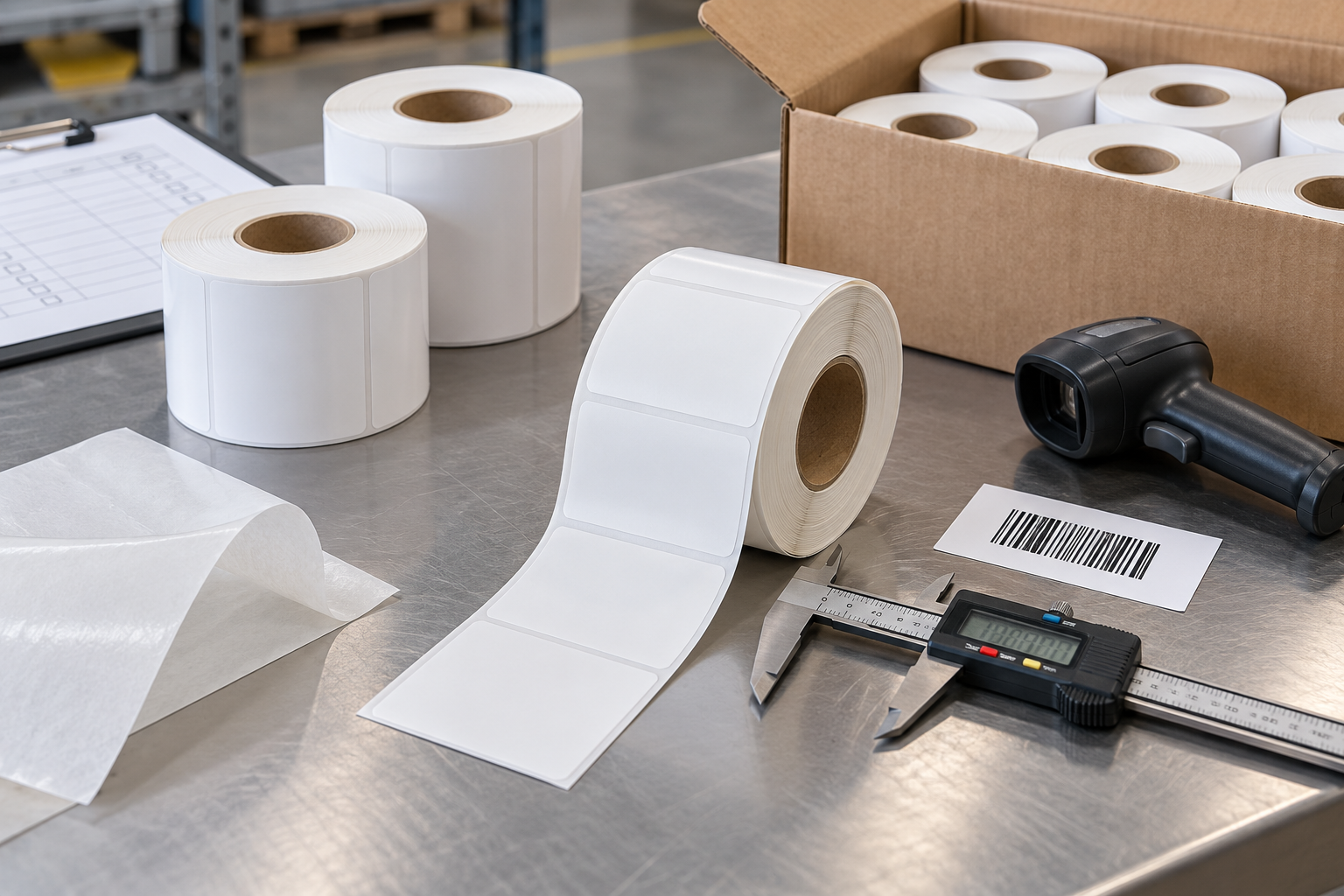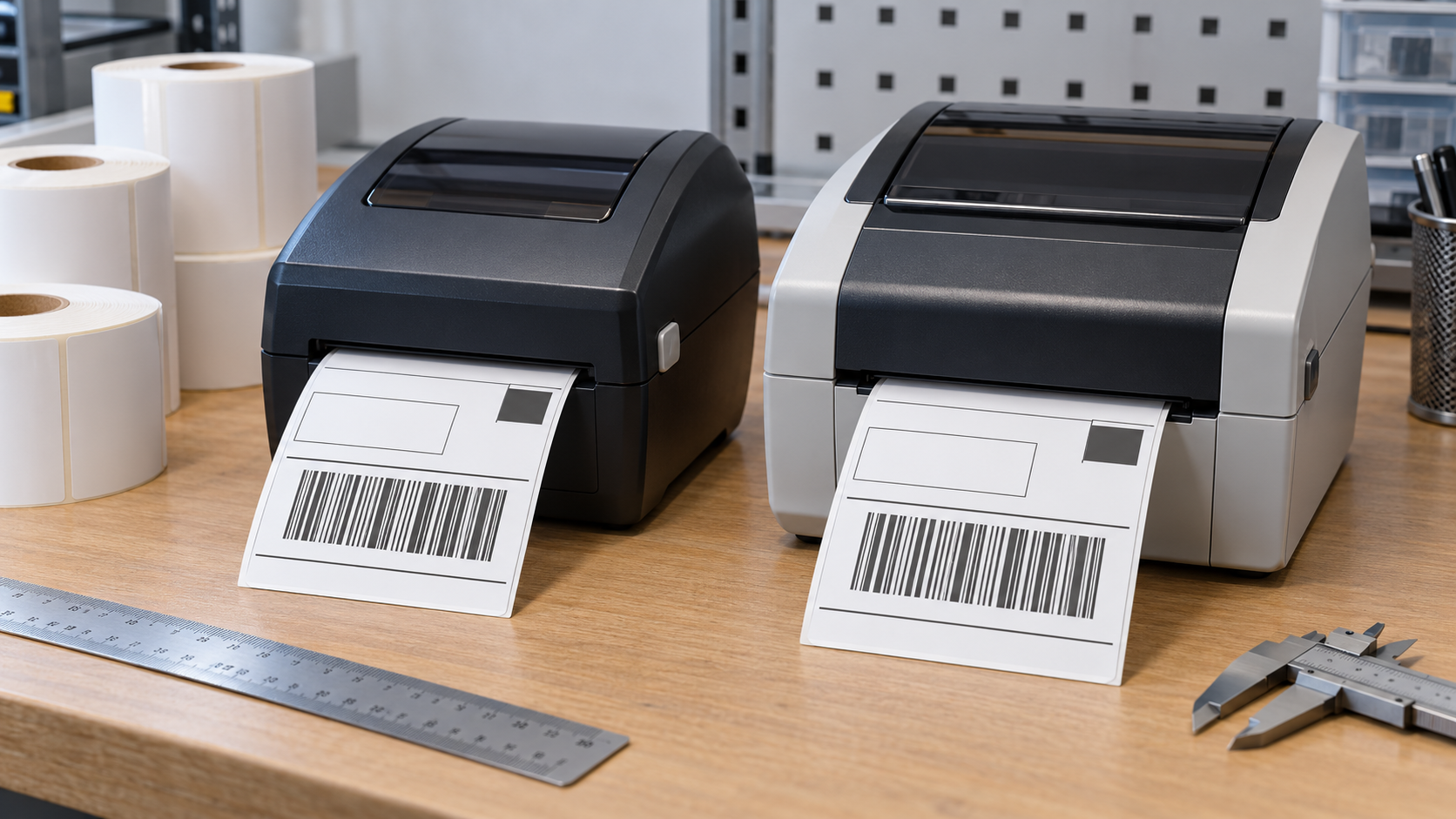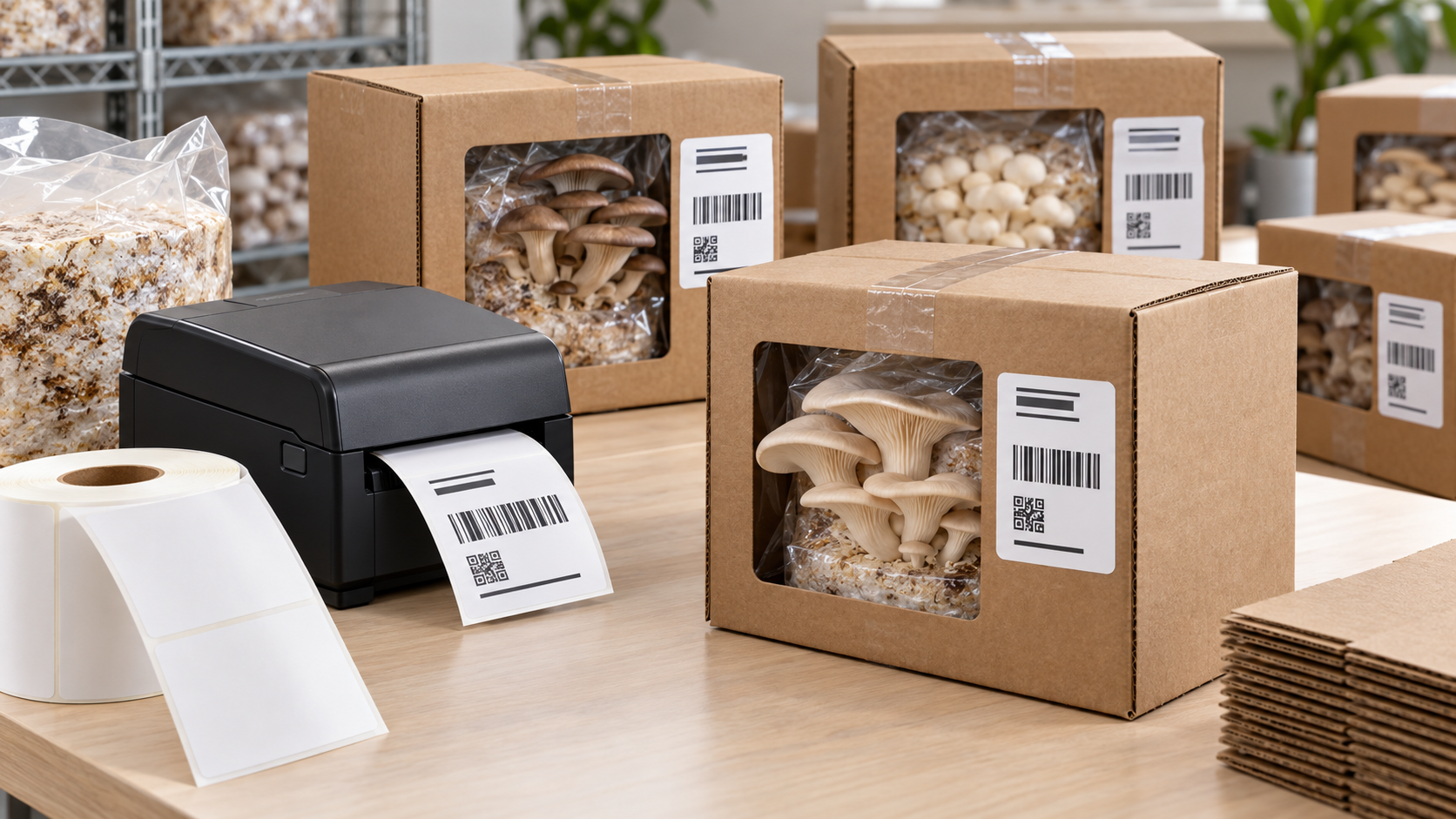
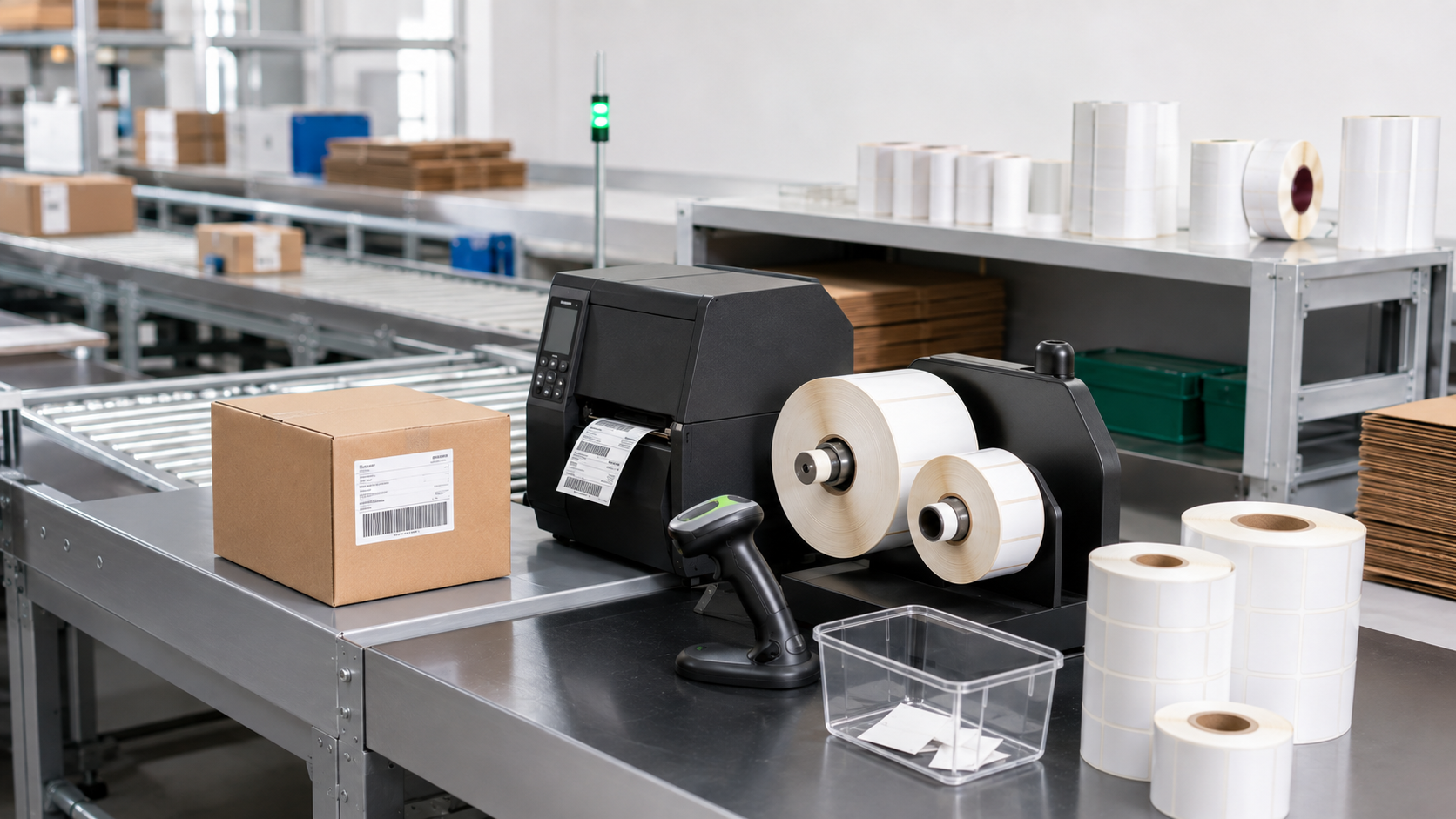
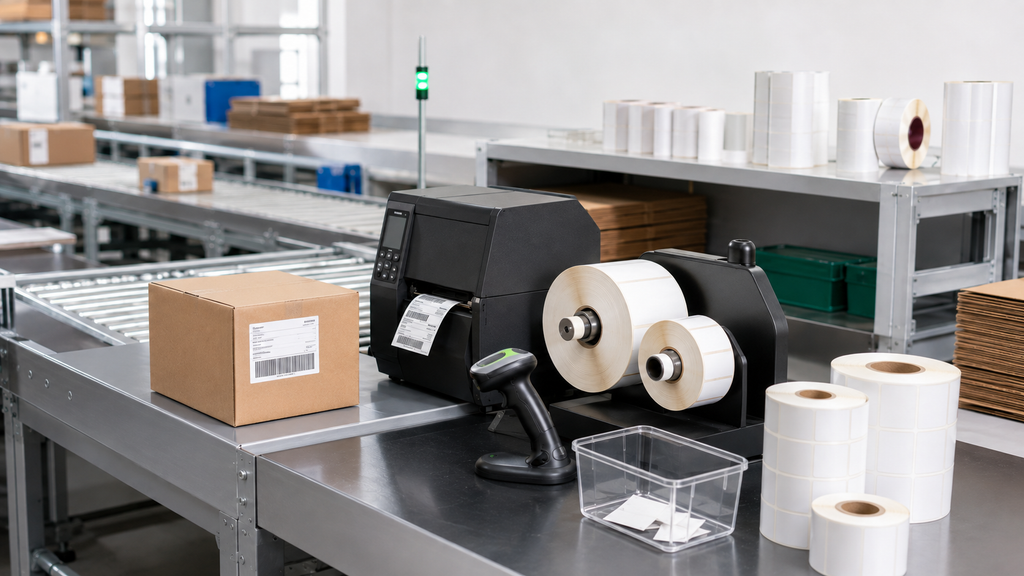
Label waste is not limited to discarded rolls. Misprints, calibration feeds, reprints, jams, incorrect templates, damaged stock, and unnecessary changeovers all add material, labor, and delay. The purpose of this guide is to help fulfillment centers, manufacturers, and distribution operations make a decision that can be tested, documented, and repeated.
Buyers comparing bulk thermal labels should begin with the application and printer requirements, then narrow the available constructions. A category page can help identify options, but the final choice still needs a specification and a representative trial.
Measure Waste by Cause
A total scrap number does not show whether the problem comes from media, printers, data, templates, or operator behavior. Cause-level measurement prevents broad and ineffective corrections. A representative trial is especially useful for measure waste by cause because a catalog description cannot reproduce the complete environment. Use normal equipment, materials, timing, and handling instead of an ideal desk demonstration.
Create reason codes for setup feeds, bad data, unreadable print, adhesion failure, jam, wrong size, and damage. Sample consistently and review the largest causes each month. Record the result in the approved item file so the same decision does not have to be rediscovered after a staff, printer, or supplier change.
Control Templates Before Printing
Wrong page size, scaling, orientation, and field mapping can destroy many labels quickly. Centralized templates reduce local variations that are difficult to support. For this part of reduce thermal label waste in high-volume operations, consistency matters more than an impressive one-time result. The approved approach should work across the roll, across shifts, and across the range of conditions defined by the business.
Assign an owner, revision, media SKU, and printer resolution to each template. Test changes in a nonproduction queue and require approval before release. Record the result in the approved item file so the same decision does not have to be rediscovered after a staff, printer, or supplier change.
Use Appropriate Roll Capacity
Larger rolls can reduce changeovers, but only when the printer or unwinder handles them reliably. Very small rolls may increase core and packaging use as well as operator time. Writing down the requirement for use appropriate roll capacity also reduces substitution risk. Buyers can compare like with like, while operators can recognize when a delivered construction or setting differs from the approved item.
Compare labels per roll with shift demand and device limits. Select a capacity that completes a useful production interval without creating feed or handling problems. Record the result in the approved item file so the same decision does not have to be rediscovered after a staff, printer, or supplier change.
Maintain Printers Proactively
Dirty printheads, worn platens, blocked sensors, and misaligned guides generate repeated defects. Waiting for a complete failure often wastes more media than scheduled maintenance. Evidence for maintain printers proactively should identify the media lot, printer, settings, substrate, environment, and outcome. That record turns a vague complaint into a problem the supplier and operations team can investigate efficiently.
Set cleaning intervals based on print volume and environment, not only calendar time. Record parts replaced and defect trends so maintenance can occur before scan quality collapses. Record the result in the approved item file so the same decision does not have to be rediscovered after a staff, printer, or supplier change.
Protect Stock in Storage
Crushed cartons, humidity, heat, sunlight, and poor stacking can deform rolls or affect direct thermal media. Damaged inventory may fail only after it reaches the printer. This is a frequent source of hidden variation in reduce thermal label waste in high-volume operations. The most dependable control is a short specification supported by an approved sample and a test result that another location or employee can reproduce.
Keep cartons closed, off the floor, and away from heat sources. Rotate first in, first out and inspect cases before issuing them to production. Record the result in the approved item file so the same decision does not have to be rediscovered after a staff, printer, or supplier change.
Evaluate Total Applied Cost
A lower price per label can be offset by jams, reprints, short rolls, slow changeovers, and support time. Waste decisions need an operational denominator. The decision about evaluate total applied cost should be made before a large order is placed. Correcting the requirement on paper is inexpensive; correcting stocked media, interrupted production, or mislabeled goods is not.
Calculate cost per successfully applied and scanned label. Include labor, downtime, freight, storage, disposal, and defect handling when comparing suppliers or constructions. Record the result in the approved item file so the same decision does not have to be rediscovered after a staff, printer, or supplier change.
A Practical Buying Checklist
- Measure Waste by Cause: Create reason codes for setup feeds, bad data, unreadable print, adhesion failure, jam, wrong size, and damage.
- Control Templates Before Printing: Assign an owner, revision, media SKU, and printer resolution to each template.
- Use Appropriate Roll Capacity: Compare labels per roll with shift demand and device limits.
- Maintain Printers Proactively: Set cleaning intervals based on print volume and environment, not only calendar time.
- Protect Stock in Storage: Keep cartons closed, off the floor, and away from heat sources.
When the specification for how to reduce thermal label waste in high-volume operations is clear, fulfillment centers, manufacturers, and distribution operations can discuss it with a specialist source such as BETCKEY thermal labels and compare available formats without relying on guesswork. For this application, the supplier should confirm requirements related to measure waste by cause and the buyer’s actual equipment; claims not shown in the written product data should be verified before purchase.
Frequently Asked Questions
What should a buyer verify about measure waste by cause? A total scrap number does not show whether the problem comes from media, printers, data, templates, or operator behavior. Cause-level measurement prevents broad and ineffective corrections. Create reason codes for setup feeds, bad data, unreadable print, adhesion failure, jam, wrong size, and damage. Sample consistently and review the largest causes each month.
What should a buyer verify about control templates before printing? Wrong page size, scaling, orientation, and field mapping can destroy many labels quickly. Centralized templates reduce local variations that are difficult to support. Assign an owner, revision, media SKU, and printer resolution to each template. Test changes in a nonproduction queue and require approval before release.
What should a buyer verify about use appropriate roll capacity? Larger rolls can reduce changeovers, but only when the printer or unwinder handles them reliably. Very small rolls may increase core and packaging use as well as operator time. Compare labels per roll with shift demand and device limits. Select a capacity that completes a useful production interval without creating feed or handling problems.
Final Recommendation
The central lesson for fulfillment centers, manufacturers, and distribution operations is straightforward: Label waste is not limited to discarded rolls. Misprints, calibration feeds, reprints, jams, incorrect templates, damaged stock, and unnecessary changeovers all add material, labor, and delay. Treat the selected label as a controlled part of the workflow, preserve the approved sample and settings, and review performance with evidence. That gives purchasing a fair basis for comparing price, service, and quality without sacrificing dependable printing, application, or scanning.