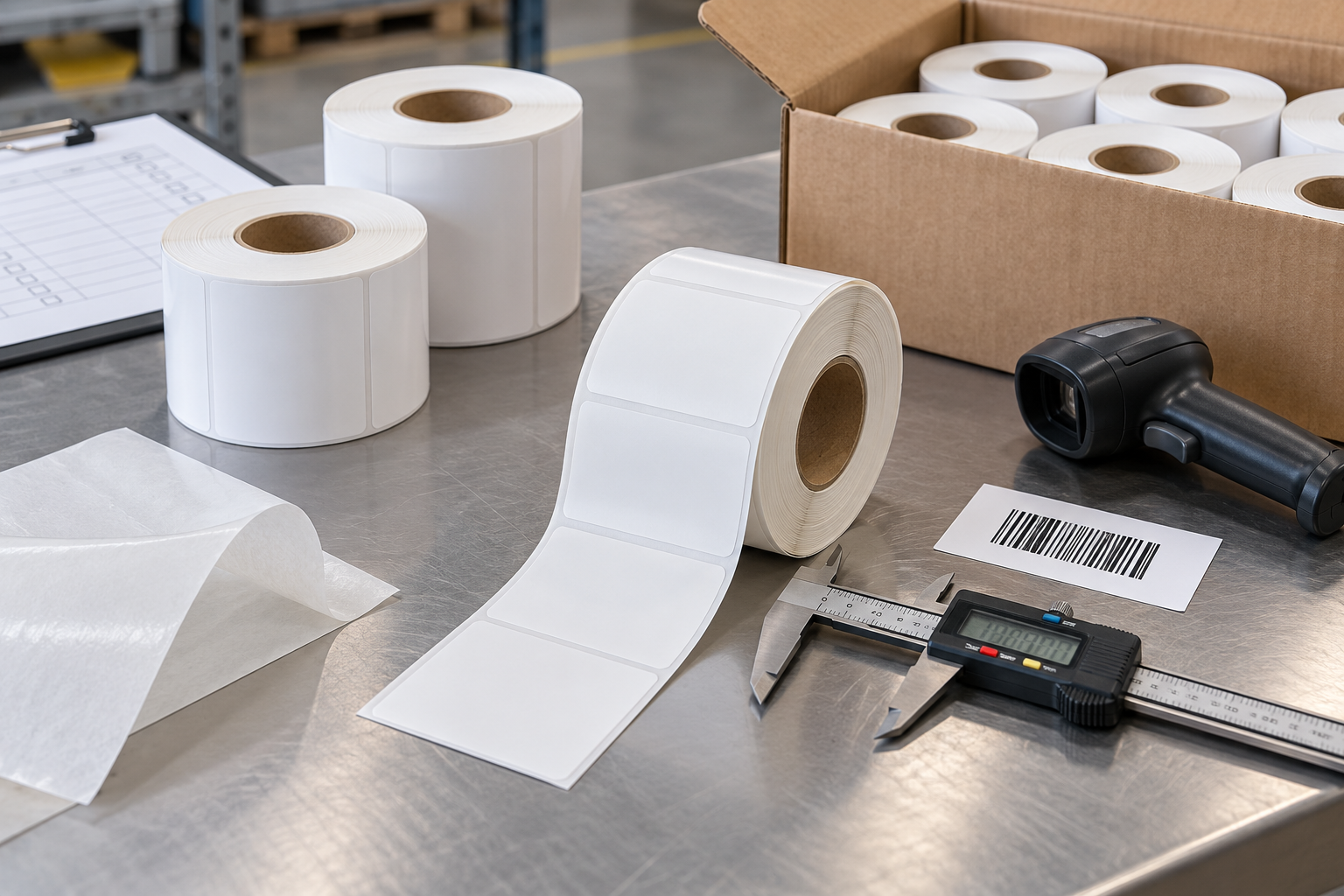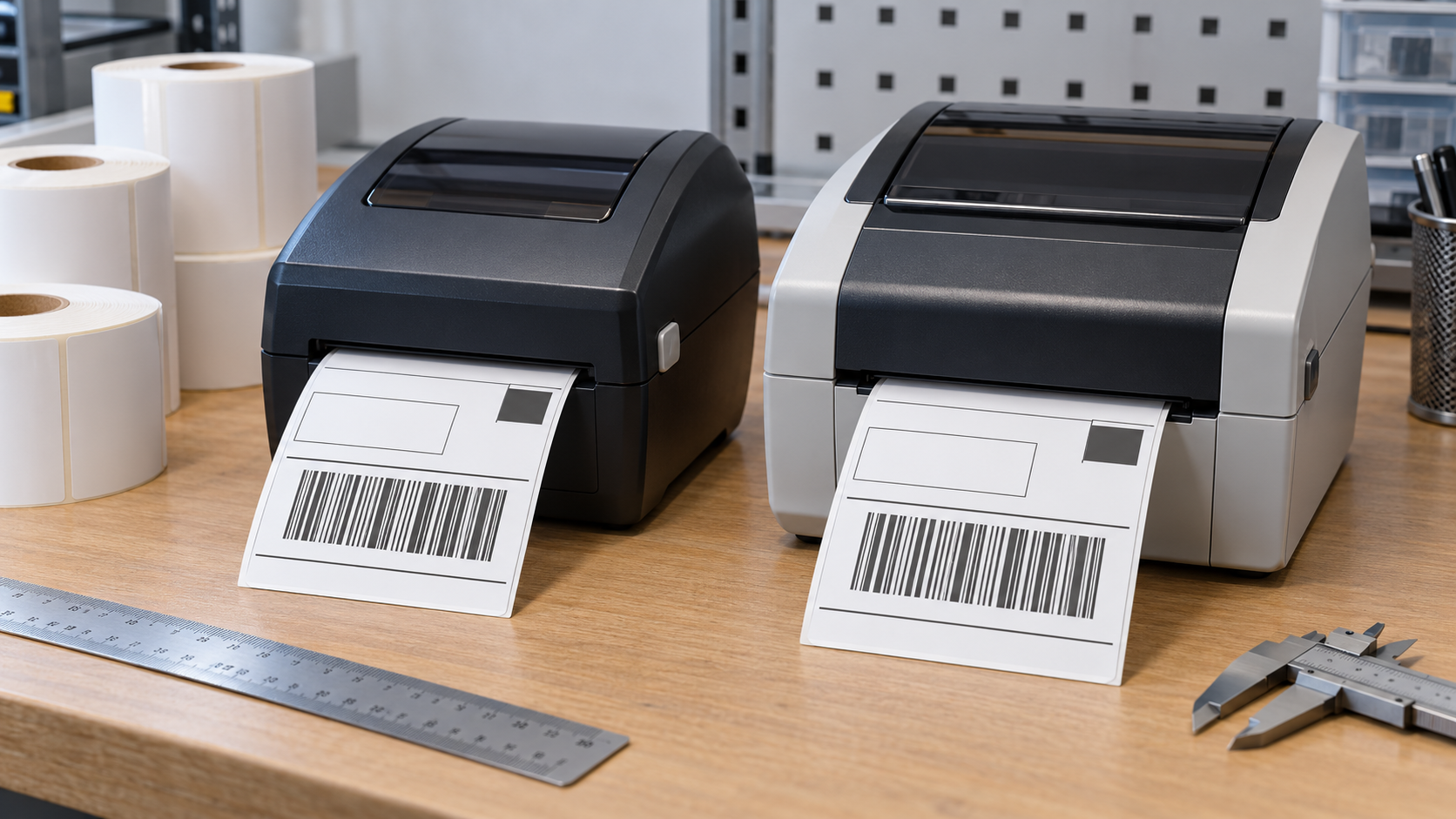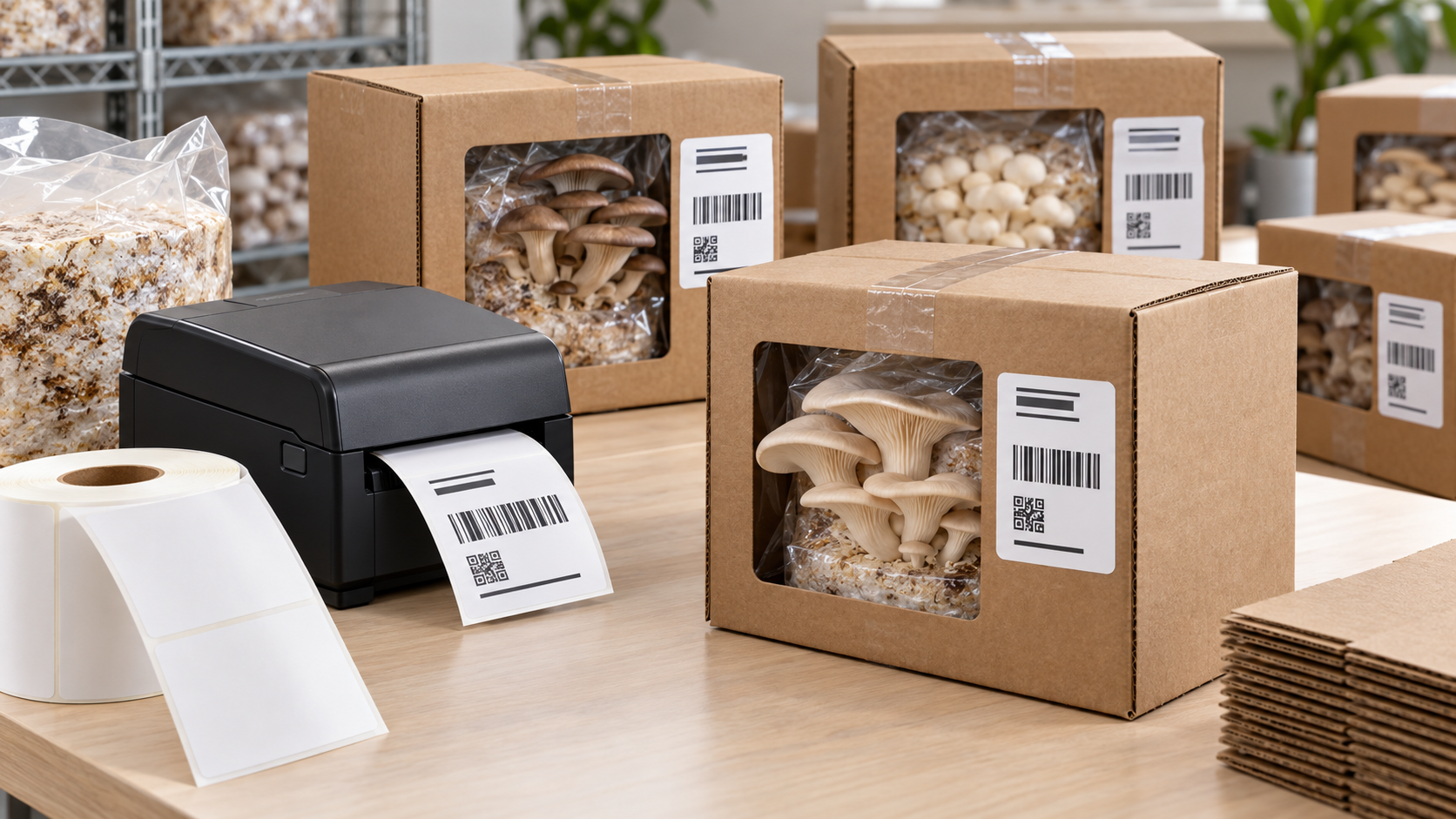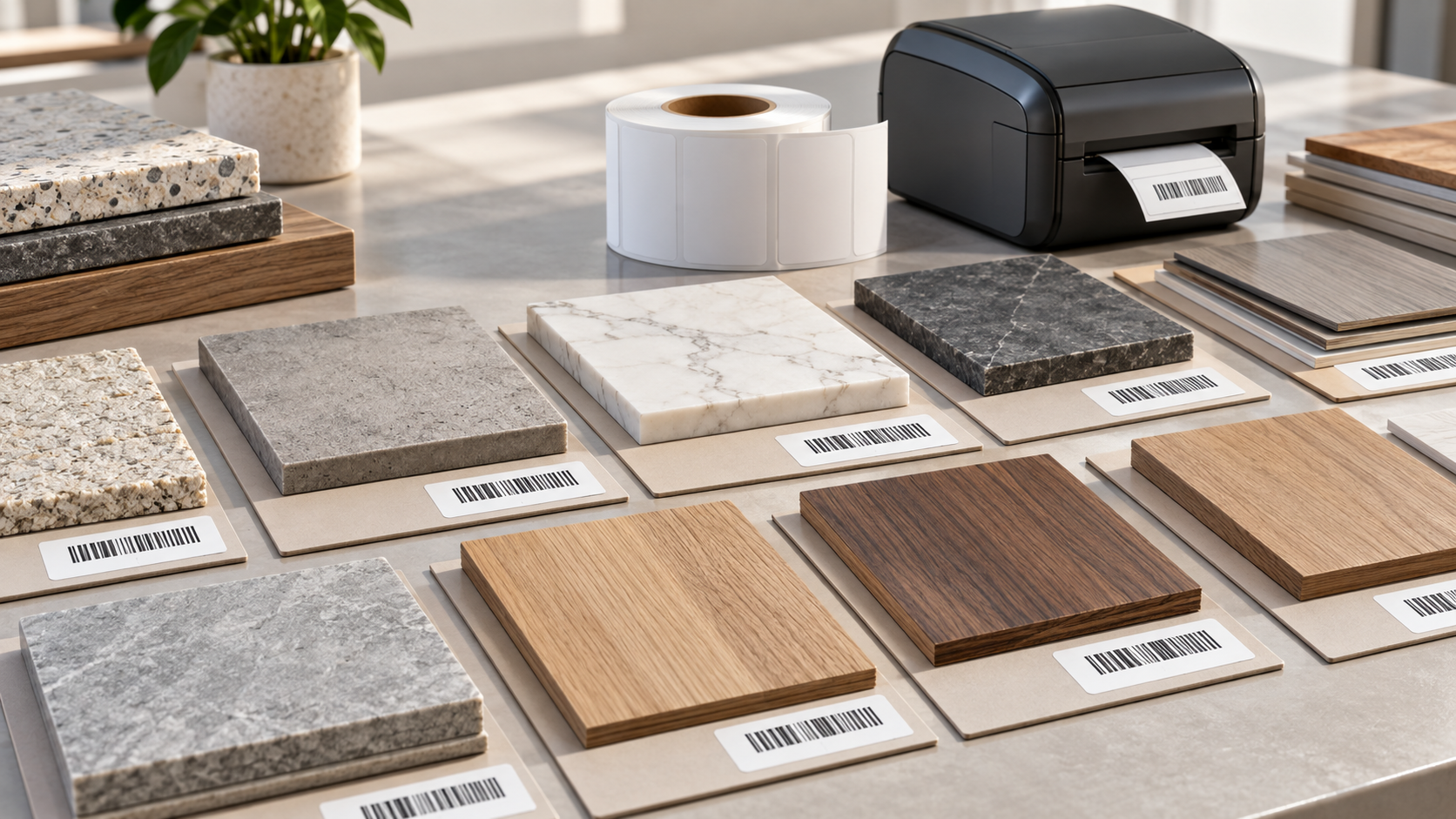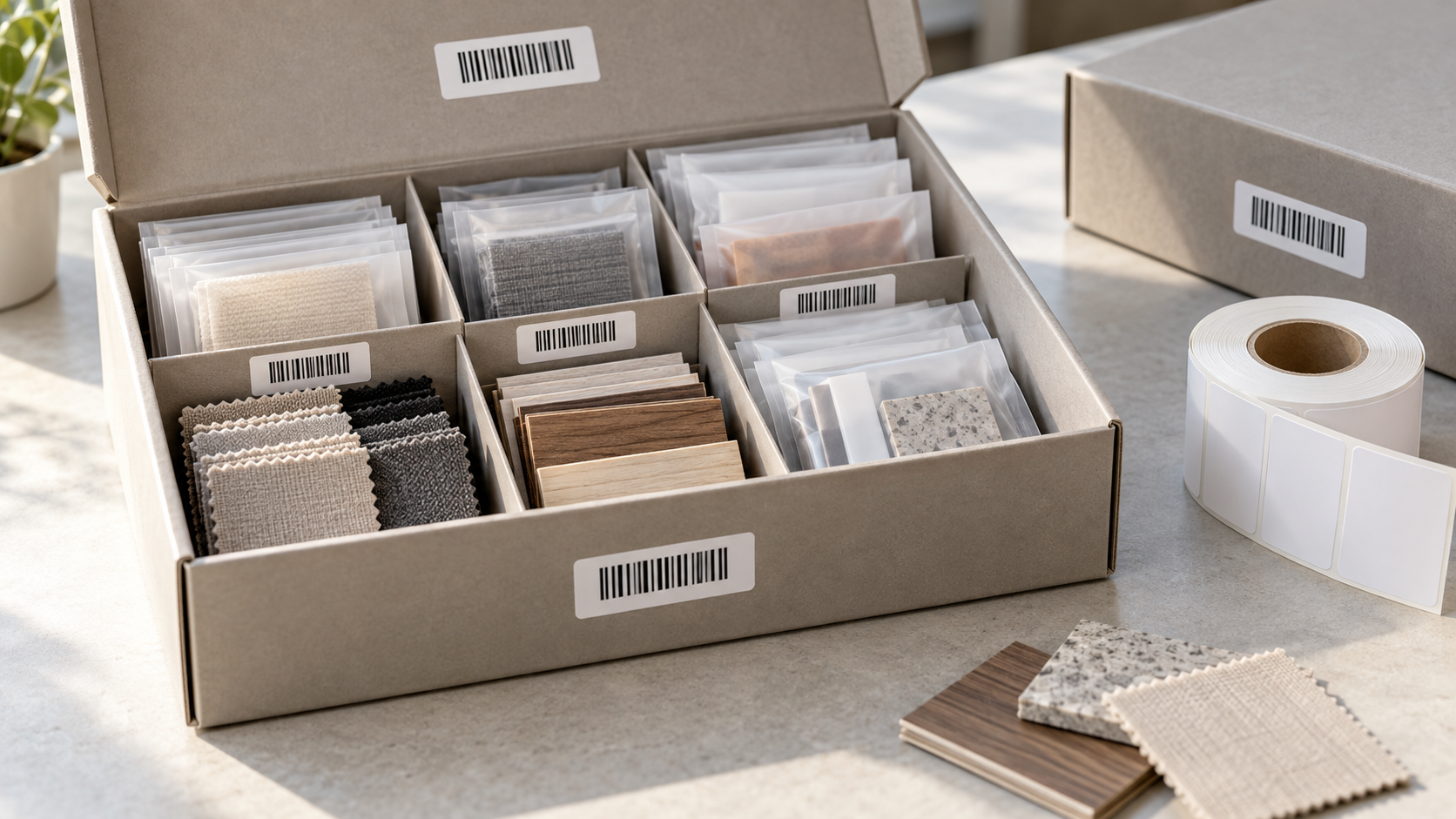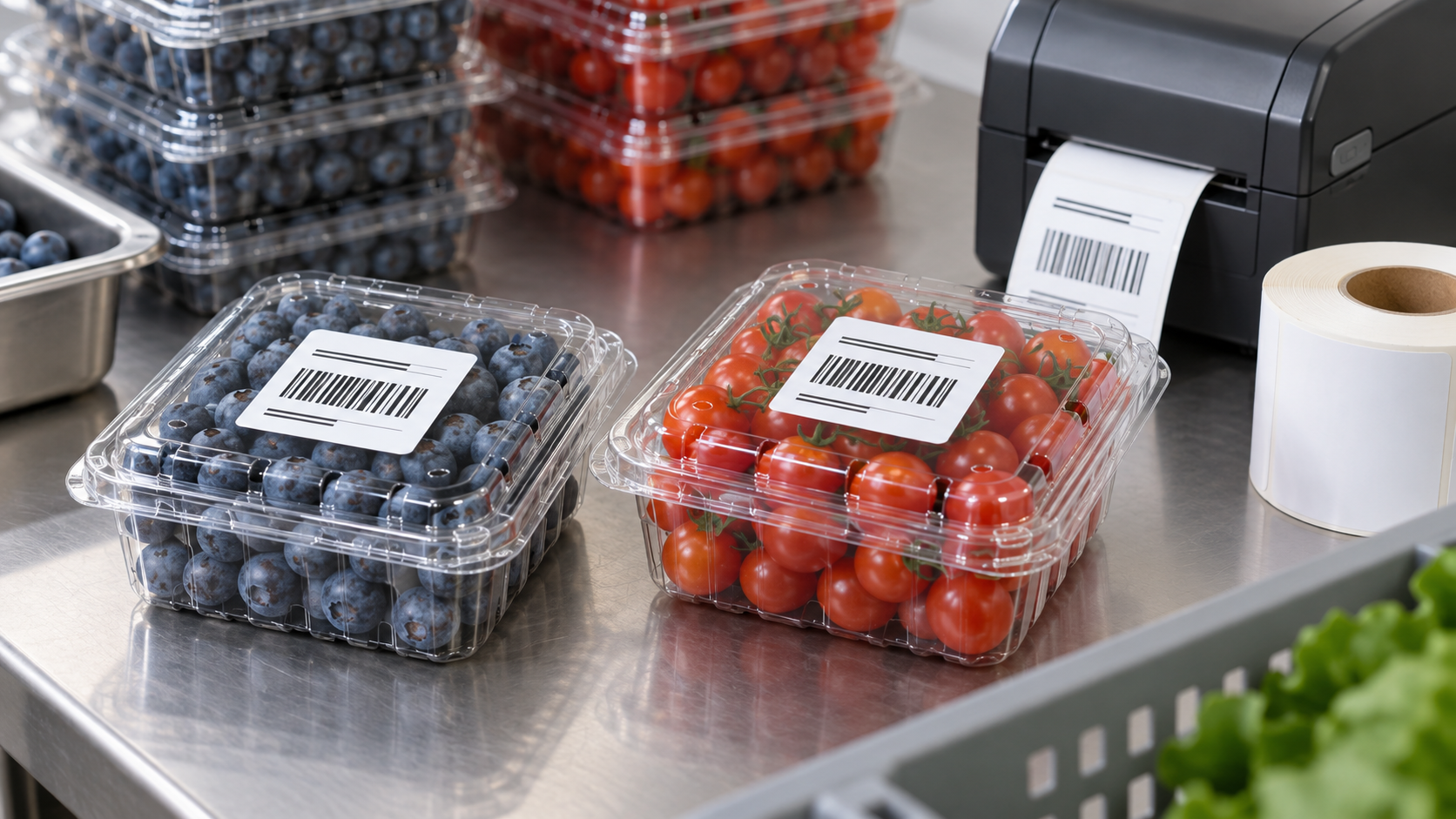
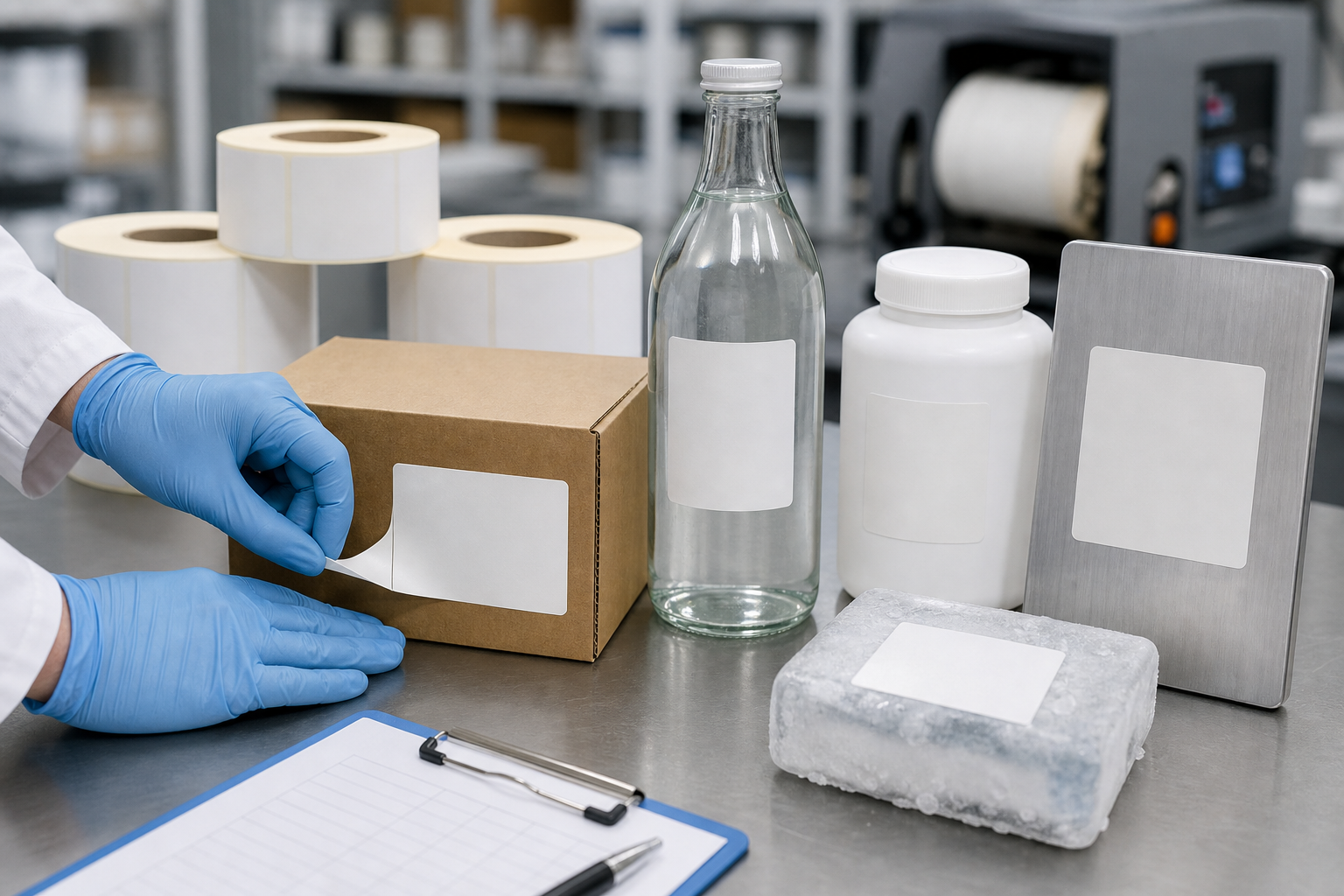
Choose adhesive according to the package surface, application temperature, service temperature, required label life, curvature, contamination, and removal requirement. Permanent, removable, repositionable, high-tack, and cold-temperature adhesives solve different problems.
Do not select adhesive strength only from a product name. Permanent does not mean it bonds to every surface, and removable does not guarantee clean removal from every material. Test the complete label on the actual package through the full use period.
What Is Permanent Adhesive?
Permanent adhesive is designed to form a lasting bond and is commonly used for shipping, inventory, product identification, cartons, and items where the label should not be moved.
Bond strength normally increases after application. Removal may tear the label, damage the package, or leave residue, depending on surface and exposure. Use permanent adhesive when continued identification matters more than clean removal. Test it on delicate coatings, paint, paper packaging, and reusable assets before approval.
What Is Removable Adhesive?
Removable adhesive is designed to hold during use and release more cleanly than permanent adhesive. It is used for temporary pricing, promotions, work instructions, reusable containers, books, glass, and short-term identification.
Removal performance changes with surface, time, heat, sunlight, and chemical exposure. A removable label may leave residue after long aging or lift too early from a rough surface. Test adhesion during use and removal at the maximum expected time. Check residue, staining, surface damage, and label tearing.
What Is Repositionable Adhesive?
Repositionable adhesive allows limited adjustment shortly after application, then builds a stronger bond. It is useful when accurate manual placement is difficult or labels must be aligned before final pressure.
The repositioning window and final adhesion vary by product and surface. Confirm how many adjustments are possible and how quickly bond strength develops. A repositionable label is not automatically reusable. Test it using the real application speed, operator method, package, and temperature.
When Is High-Tack Adhesive Needed?
High-tack adhesive may be needed for rough corrugated board, low-surface-energy plastics, powder-coated metal, textured materials, or workflows requiring strong immediate grab.
More tack is not always better. Aggressive adhesive can damage surfaces, leave residue, make misapplied labels difficult to correct, and increase converting or printer contamination if the construction is poor. Use high-tack media only after a general-purpose option fails under representative conditions. Confirm both immediate tack and long-term behavior.
What Is Freezer-Grade Adhesive?
Freezer-grade adhesive is formulated to bond or remain attached in low-temperature conditions. The minimum application temperature and service-temperature range must be checked separately.
A label applied dry at room temperature before freezing is easier to bond than one applied directly to a frozen, frosted, or wet package. When direct cold application is required, use freezer labels designed for that surface temperature. Test immediate handling, storage, thawing, condensation, and repeated temperature cycles.
How Does Surface Type Affect Adhesive Choice?
Glass, metal, coated paper, corrugated board, polyethylene, polypropylene, flexible film, painted surfaces, and reusable plastic have different surface energy, texture, and movement. Dust, coatings, release agents, oils, and recycled content add variation.
Identify the exact surface and send production samples when possible. Test more than one package lot. A label qualified on clean glass does not prove performance on recycled cartons or molded plastic. If the surface supplier or coating changes, repeat the adhesion check.
How Does Curvature Affect Adhesive Choice?
Curved bottles, tubes, cables, and small containers create edge-lifting stress because the flat label face tries to straighten. A stiff paper face, wide label, small diameter, and weak adhesive increase the problem.
Reduce the dimension crossing the curve, use rounded corners, select a flexible face stock, and choose adhesive suitable for the surface. Apply firm pressure around the entire curve. Test after filling, squeezing, heating, cooling, and normal handling because the container may expand or flex.
How Do Moisture, Oil, and Dust Affect Adhesion?
Water, condensation, oil, grease, powder, dust, and cleaning residue block contact between adhesive and the package. They can also enter beneath a label edge after application.
Apply labels to clean, dry surfaces whenever possible. If contamination is part of the process, identify the substance and amount. A process change, such as labeling before oiling or after drying, may work better than a stronger adhesive. Test wet, cold, and contaminated conditions separately so the cause is clear.
What Are Application and Service Temperatures?
Application temperature is the surface temperature when the label is attached. Service temperature is the range experienced after the bond has developed. An adhesive may tolerate very low service temperatures but still require warmer application.
Measure the package surface instead of relying only on room temperature. Provide dwell time before freezing, heating, packing, or transport. Test the shortest available dwell time and every expected temperature cycle. Do not approve a cold-storage label from a room-temperature test alone.
How Long Should Adhesion Be Tested?
Check immediate tack, early handling, final bond, and end-of-use removal. Many adhesives gain strength over several hours, so pulling a label off after a few seconds does not predict final performance.
Use intervals that match the workflow: immediately, before transport or refrigeration, after several hours, after 24 hours, and at the maximum required label life. Include heat, light, moisture, cleaning, and abrasion. Record edge lift, sliding, complete detachment, residue, and surface damage.
How Do You Compare Adhesive Samples?
1. Use identical label dimensions and face materials where possible.
2. Apply samples to multiple production packages.
3. Use normal temperature, pressure, and operator method.
4. Check immediate tack and later bond strength.
5. Reproduce storage, transport, moisture, and temperature cycles.
6. Test removal and residue when required.
7. Code samples so users judge performance rather than product name.
8. Record and approve the complete construction, not adhesive alone.
What Information Should Be Given to the Supplier?
Tell the label supplier the surface material, texture, curvature, contamination, application temperature, service temperature, dwell time, expected label life, handling, moisture, chemicals, and removal requirement. Provide package samples and explain how labels currently fail.
Request production-representative samples of clearly different adhesive options. Keep the approved face stock, adhesive, liner, dimensions, and supplier item in the purchasing specification. Visually identical rolls may use different adhesives and should not be substituted without testing.